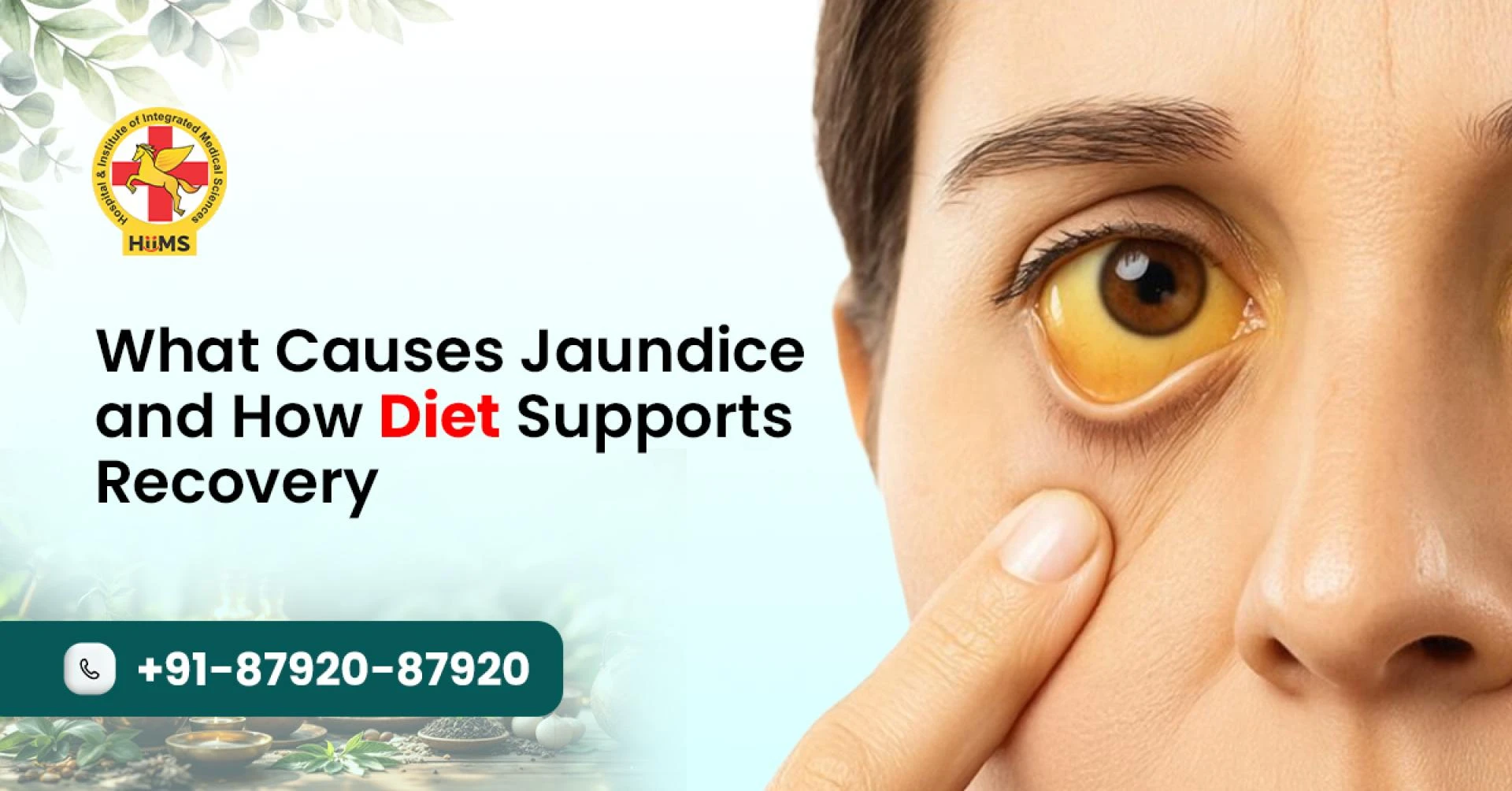
Jaundice is a fairly common health concern in India and can affect people of any age. It develops when the level of bilirubin in the blood increases beyond normal. As this pigment builds up, it causes visible changes such as yellowing of the skin and eyes. In some cases, nails may appear pale or slightly yellow. Other common symptoms include dark-colored urine, weakness, poor appetite, and occasional fever.
It is important to understand that jaundice is not a disease on its own. Instead, it acts as a warning sign that something within the body most often the liver or digestive system is not functioning properly. Factors such as viral infections, liver strain, blocked bile ducts, or the use of certain medications can trigger jaundice. Along with medical guidance, dietary changes play a key role in supporting recovery.
A well-planned jaundice diet helps the liver slow down, rest, and heal naturally. In Indian households, simple home-cooked meals when chosen carefully can be very soothing for the digestive system. Holistic health centres like Jeena Sikho HiiMS focus on natural care methods alongside proper medical supervision. When individuals understand the root cause and follow the right food choices, the recovery journey becomes smoother and less stressful. With enough rest, proper hydration, and light meals, the body gradually regains balance.
What Is Jaundice and Why Does It Occur?
Jaundice develops when the liver is unable to process bilirubin efficiently. Bilirubin is a yellow compound formed during the normal breakdown of old red blood cells. In a healthy body, the liver removes it through bile. However, when liver function weakens or bile flow is obstructed, bilirubin starts accumulating in the bloodstream.
There are several possible causes, including viral hepatitis, fatty liver, infections, gallstones, and side effects of medications. In newborns, jaundice may occur because the liver is still maturing. In adults, lifestyle habits and dietary patterns often play a much bigger role than expected. Detecting symptoms early is crucial, as untreated liver issues can gradually become serious.
Common Symptoms to Look Out For
The most noticeable symptom is yellowing of the eyes and skin. Other signs may include persistent fatigue, nausea, loss of appetite, itching, abdominal discomfort, and pale-colored stools. Some individuals may also feel mentally sluggish or unusually drowsy. If these symptoms continue for several days, seeking medical advice is strongly recommended. Making early dietary adjustments can significantly reduce stress on the liver.
How Diet Supports Recovery from Jaundice
During jaundice, food works almost like supportive therapy. A light, plant-based diet allows the liver to heal without additional pressure. An effective jaundice diet focuses on hydration, easy digestion, and natural nutrition. Fresh fruits, lightly cooked vegetables, whole grains, and adequate fluids help flush toxins and nourish liver cells.
Equally important is avoiding foods that burden digestion. Oily, spicy, packaged, and overly processed foods should be strictly avoided. Simple, home-cooked meals help maintain energy levels and prevent liver overload. Eating smaller portions at regular intervals also keeps digestion stable and calm.
Best Foods to Include in a Jaundice Diet
Fruits such as papaya, apple, pear, and berries are easy to digest and rich in antioxidants. Vegetables like bottle gourd, pumpkin, carrot, and spinach when lightly cooked support liver health. Whole grains, including oats, brown rice, and barley provide steady energy without heaviness.
Hydrating drinks such as coconut water, lemon water, herbal infusions, and plain warm water are highly beneficial. A balanced jaundice diet may also include moong dal water, vegetable soups, and a small quantity of soaked almonds. These foods support gradual healing and help restore appetite over time.
Foods That Should Be Strictly Avoided
When someone has jaundice, the liver becomes extremely sensitive. Fried foods, spicy dishes, refined sugar, bakery items, and packaged snacks should be completely avoided. Dairy products like milk, butter, cheese, and curd can slow digestion and should be restricted during recovery.
Non-vegetarian foods take longer to digest and increase liver workload, so they are best avoided. Alcohol must be stopped entirely, as it directly damages liver cells. Following these dietary precautions makes the recovery process more effective.
Lifestyle Tips to Support Healing
Adequate rest is essential during jaundice, as the body needs energy to repair itself. Proper sleep accelerates healing. Strenuous exercise, mental stress, and late nights should be avoided. Gentle breathing exercises or short walks may be introduced only after strength begins to return. Maintaining food hygiene and drinking clean water also helps prevent further infections.
Importance of Medical Care and Proper Treatment
Diet alone may not be sufficient in all cases of jaundice. Accurate diagnosis helps identify the exact cause. Blood tests, scans, and medical consultations guide the right course of jaundice treatment. Depending on the condition, treatment may include medications, IV fluids, or supportive care. Early medical intervention always lowers risk and speeds up recovery.
Ayurveda’s Role in Jaundice Management
Ayurveda approaches jaundice by strengthening liver function, improving digestion, and restoring internal balance. The primary goals of Ayurvedic jaundice treatment include detoxifying the liver, correcting digestion, and balancing the Pitta dosha. It also focuses on improving blood quality and rebuilding liver strength.
At Jeena Sikho HiiMS, treatment plans are personalized based on an individual’s symptoms and overall health. Therapies such as Virechana a controlled cleansing process may be recommended to remove excess bile from the body. The intensity of treatment is carefully decided by the physician according to the patient’s condition.
Preventing Jaundice in the Future
Maintaining healthy eating habits, drinking clean water, getting vaccinated against hepatitis, and avoiding unnecessary medications can help protect liver health. Regular health check-ups aid in early detection. Even after recovery, continuing a lighter and balanced diet helps keep the liver strong and reduces the risk of recurrence.
Conclusion
Jaundice is a clear indication that the liver needs rest, care, and patience. With timely diagnosis, appropriate jaundice treatment, and supportive dietary habits, recovery becomes safer and more comfortable. Simple vegetarian meals, sufficient fluids, proper rest, and a stress-free routine allow the liver to heal naturally.
Avoiding heavy foods and following a structured jaundice diet not only supports recovery but also helps prevent future liver-related issues. Holistic centres like Jeena Sikho HiiMS emphasize the importance of combining medical guidance with natural lifestyle support. By listening to the body and making mindful food choices, strength gradually returns and long-term liver health can be maintained.
FAQs
Q1. Is jaundice a disease?
Jaundice is not a disease; it is a sign indicating liver or digestive system problems.
Q2. What are the main causes of jaundice?
Common causes include viral infections, liver dysfunction, blocked bile ducts, and medication side effects.
Q3. Is jaundice common in India?
Yes, jaundice is quite common due to infections, dietary habits, and water quality issues.
Q4. Can jaundice be managed with diet alone?
Diet plays an important role, but proper medical treatment is also necessary.
Q5. How long does recovery from jaundice take?
Recovery time varies depending on the cause, diet, rest, and timely treatment.