Understanding the Window of Implantation
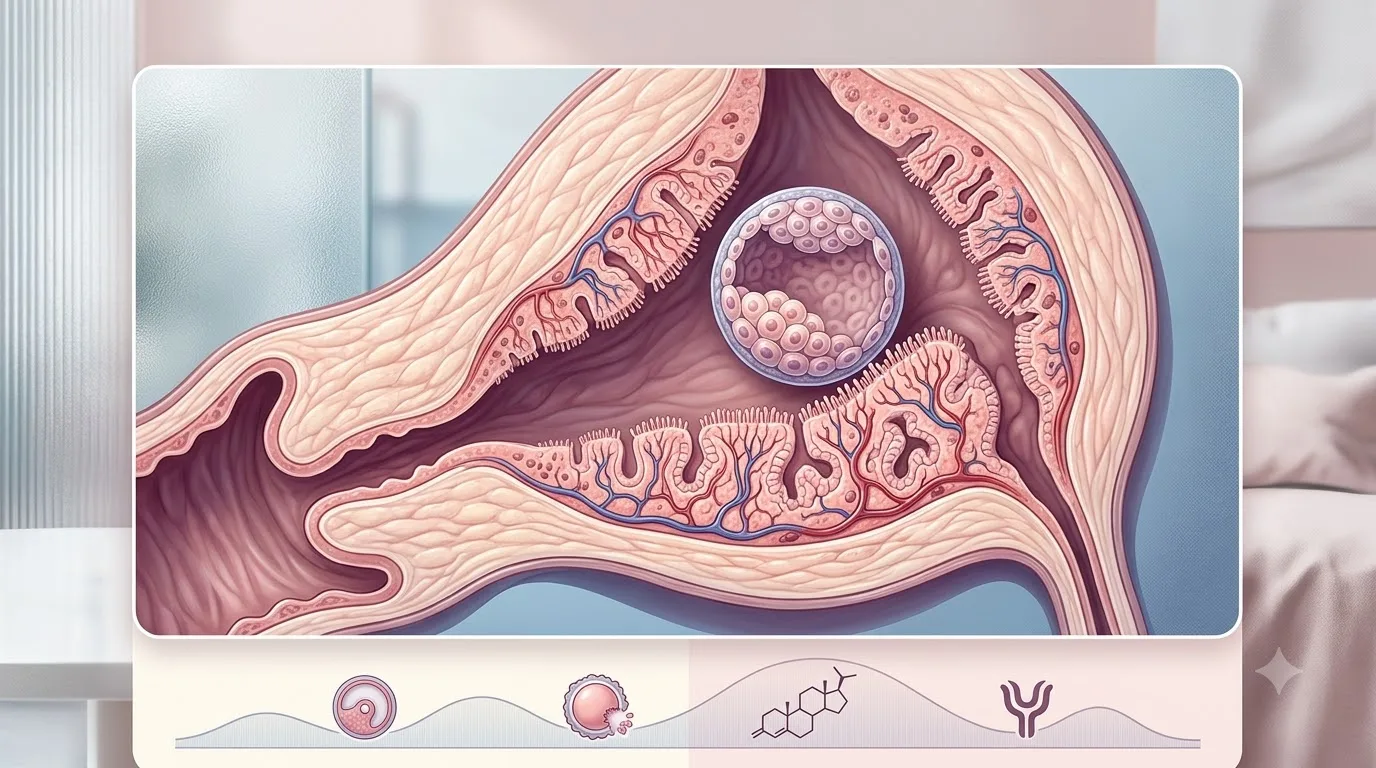
After fertilisation, an embryo must attach to the lining of the uterus before pregnancy can continue. Patients searching for the best IVF doctor in Hebbal may want to understand this process. This important phase is called implantation. The window of implantation refers to the short period when the endometrium, or uterine lining, is biologically prepared to receive and support an embryo.
For many women, this receptive phase occurs around 6 to 10 days after ovulation, although the exact timing can vary. In a typical menstrual cycle, the uterine lining changes under the influence of hormones such as estrogen and progesterone. These changes create an environment that can support embryo attachment.
Understanding this timing can be especially useful during fertility treatment. Patients may hear terms such as embryo transfer, endometrial receptivity, implantation window, and blastocyst development during consultation.
Why Does Endometrial Receptivity Matter in IVF?
How the Uterine Lining Supports Implantation
The uterus is not equally receptive throughout the menstrual cycle. After ovulation, progesterone helps transform the endometrium so it can become more suitable for implantation. During this receptive phase, changes occur in the cells, blood supply, molecular signals, and immune environment of the uterine lining.
For an embryo transfer to have a chance of succeeding, several factors need to work together. Embryo quality, endometrial thickness and pattern, hormonal support, uterine health, and the timing of transfer can all influence the outcome.
However, implantation is complex, and no single test can guarantee whether an embryo will implant. A good fertility evaluation therefore looks at the whole clinical picture rather than focusing on one measurement.
What Happens During the Implantation Window?
Once an embryo reaches the blastocyst stage, it can begin interacting with the uterine lining. The embryo first comes into close contact with the endometrium and then attaches more firmly. It subsequently begins to embed into the lining.
This process is microscopic, so most women do not experience a clear symptom that confirms implantation. Some may notice mild spotting or cramping, while others feel nothing at all. These signs are not reliable ways to determine whether implantation has occurred.
In IVF, embryo transfer is carefully planned around the treatment cycle. Depending on the protocol, the medical team may use a natural cycle, modified natural cycle, or hormone-prepared cycle to prepare the endometrium.
Can the Implantation Window Be Different?
Yes. The timing of endometrial receptivity can vary between individuals and between treatment cycles. Conditions affecting the uterus, hormonal balance, previous treatment history, or the menstrual cycle may require additional assessment.
Some fertility clinics may discuss specialised tests that aim to assess endometrial receptivity. These tests are not necessary for every IVF patient, and their usefulness depends on the individual situation. A fertility specialist can explain whether additional testing is appropriate instead of recommending it routinely.
What Can Patients Do Before Embryo Transfer?
Patients can focus on following their prescribed medication schedule, attending monitoring appointments, maintaining a balanced lifestyle, avoiding smoking and recreational drugs, and discussing any medicines or supplements with their doctor.
It is also important not to judge the outcome based on symptoms after transfer. Implantation cannot be confirmed through feelings alone. The most dependable confirmation comes from the pregnancy test recommended by the fertility team at the appropriate time.
Choosing the Right Fertility Care in Hebbal
Understanding the implantation window can make IVF feel less mysterious, but every treatment journey is individual. At Dr Aravind's IVF Fertility & Pregnancy Centre in Hebbal, Bangalore, fertility care can be planned according to factors such as age, reproductive history, ovarian response, embryo development, uterine health, and previous treatment outcomes.
If you are searching for the best IVF doctor in Hebbal, choose a team that explains the science clearly, avoids unnecessary testing, and builds treatment decisions around your specific needs. With informed guidance and appropriate monitoring, patients can approach embryo transfer with greater confidence and realistic expectations.