A Jeep Wrangler should feel firm and controlled on the road. A sudden shaking front end can change that in seconds. Death wobble is a serious steering and suspension issue. It may cause the front wheels to shake hard after hitting a bump or rough patch. The right Jeep Wrangler Death Wobble Solution depends on finding the part or parts causing the problem. Replacing one part without a professional check will not solve the issue.
So, what is the safest and most effective way to restore a stable ride? A full professional inspection of the steering, suspension, wheels, tires, and related parts should come first.
What Causes Death Wobble in a Jeep Wrangler?
Death wobble does not come from one single part. It may start after wear develops in the front suspension or steering system. Loose or worn parts allow unwanted movement. Once the front wheels start moving from side to side, the motion may grow after a bump or rough road surface.
Possible causes include:
- Worn track bar parts
- Loose track bar bolts
- Worn tie rod ends
- Damaged ball joints
- Loose control arm hardware
- Wheel or tire problems
- Worn steering components
- Poor wheel alignment
- Suspension changes without proper setup
Since several parts work together, guessing at the cause is not a good idea.
Why Should a Professional Inspection Come First?
A Jeep experiencing death wobble needs a careful inspection. A professional technician should check the vehicle before any repair parts are selected.
The inspection should cover the full front end. The technician may check for play in steering joints, movement around the track bar, loose bolts, worn bushings, damaged ball joints, and other signs of wear.
Wheel and tire condition deserves attention too. Uneven tire wear, wheel damage, poor balance, or incorrect tire pressure may affect how the Jeep behaves. For safety, drivers should not try to diagnose a severe death wobble while driving. If the problem appears, slow down safely and have the Jeep inspected by a qualified professional.
Is the Track Bar a Key Part of the Repair?
Yes. The track bar deserves close attention during a death wobble inspection. The track bar helps control the side-to-side movement of the front axle. If its bushings, joints, mounting points, or bolts have excessive play, the axle may move in ways it should not.
A technician should inspect both ends of the track bar and check its mounting hardware. Loose bolts need proper tightening based on factory or approved specifications.
For a modified Wrangler, the track bar setup needs even more care. A lift kit changes suspension geometry. The correct parts and setup depend on the lift height and other changes made to the Jeep.
Does a Steering Stabilizer Fix Death Wobble?
A steering stabilizer helps control steering movement. It does not repair a worn or loose suspension component. For this reason, installing the best Jeep Wrangler steering stabilizer should not be treated as the main fix for death wobble.
A stronger stabilizer help manage steering feedback and reduce harsh movement through the steering wheel. However, it should support a healthy steering and suspension system, not hide a fault.
If a track bar joint is worn, replacing the stabilizer will not repair it. The same applies to damaged ball joints, loose hardware, or other worn parts.
What Should Be Checked Besides the Steering Stabilizer?
A complete inspection gives a much clearer answer. Key areas include the following:
Track Bar and Mounts
Check the track bar for worn joints, damaged bushings, loose bolts, and movement at the mounting points.
Tie Rod and Drag Link
These parts connect the steering system and help control the front wheels. Any unwanted play needs proper attention.
Ball Joints
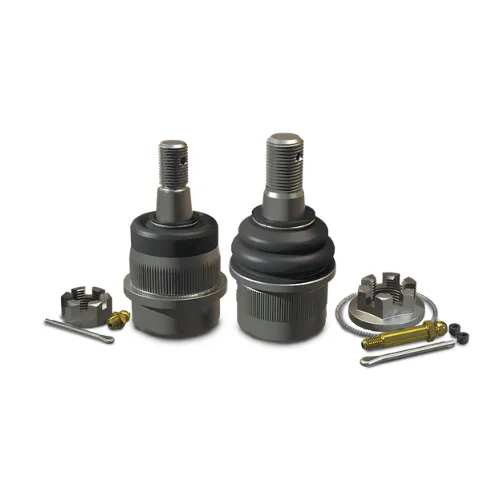
Worn ball joints may allow unwanted wheel movement. A technician should check them for play and wear.
Control Arms
Inspect control arms, bushings, and mounting hardware. Damage or excessive movement may affect front-end stability.
Wheels and Tires
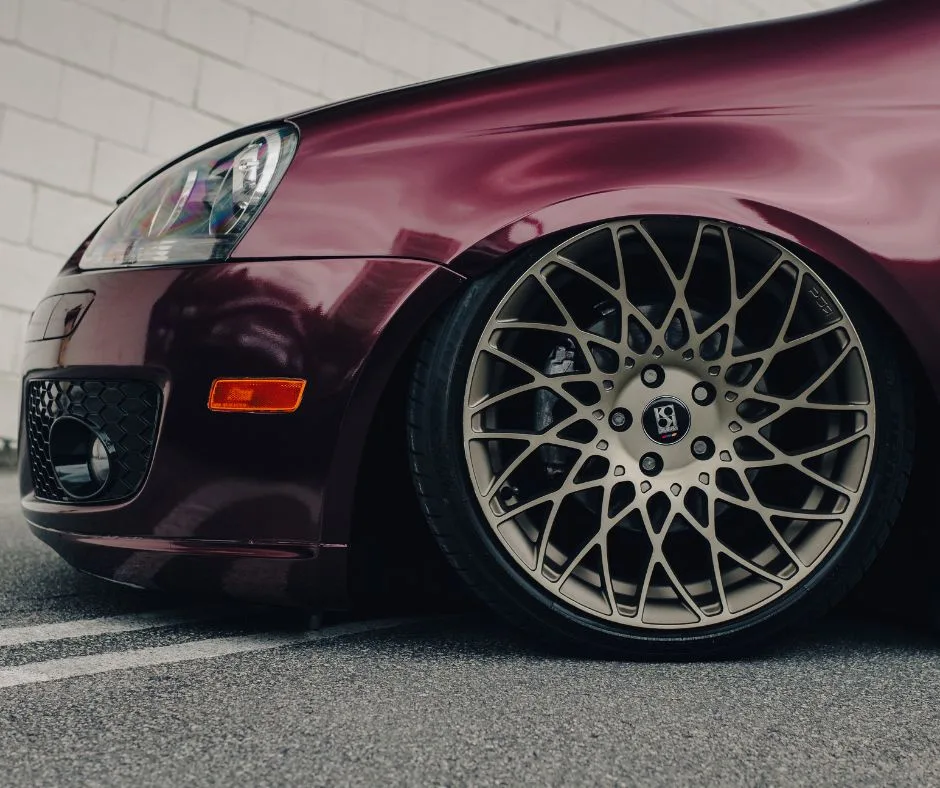
Check tire pressure, tread wear, wheel condition, and balance. A damaged wheel or tire deserves prompt attention.
Wheel Alignment
Alignment should be checked after steering or suspension repairs. Modified Jeeps may need alignment settings suited to their setup.
Is a Steering Stabilizer Worth Replacing?
A steering stabilizer may be useful when the existing unit is worn or damaged. It works by helping control movement in the steering system. However, it should not become a shortcut for a full repair. The best Jeep Wrangler steering stabilizer owners choose should match the vehicle and its suspension setup.
The right stabilizer depends on the Wrangler model, tire size, suspension changes, and intended use. A technician or trusted Jeep specialist can help select a suitable unit.
How Do Lift Kits Affect Death Wobble?
Lift kits change suspension geometry. Larger tires add another factor. These changes may place different demands on steering and suspension parts. A lifted Jeep needs suitable components for its new ride height. Track bar position, steering angles, alignment, and other suspension details should receive proper attention.
After installing a lift kit, a professional inspection and alignment are wise steps. Proper setup helps the Jeep handle in a more controlled way.
How Can Jeep Owners Help Prevent Future Problems?
Regular professional inspections help spot wear before it becomes a bigger concern. Owners should check tire pressure and watch for uneven tread wear. After off-road trips, it is wise to inspect the underbody and suspension for damage.
Loose hardware should receive prompt attention. Lifted Jeeps and Wranglers with large tires deserve extra care since changes to the suspension setup affect steering and handling. If an unusual steering shake appears, do not ignore it. Early inspection may prevent a small worn part from turning into a larger repair issue.
Final Thought
There is no single part that serves as the universal Jeep Wrangler Death Wobble Solution. The most effective repair starts with a proper inspection. A technician needs to find the source of the unwanted movement before choosing replacement parts.
A steering stabilizer may support better steering control, but it should not replace repairs to worn suspension or steering components. With the right diagnosis, suitable parts, proper alignment, and careful maintenance, Jeep owners have a much better path toward a stable and controlled ride.