
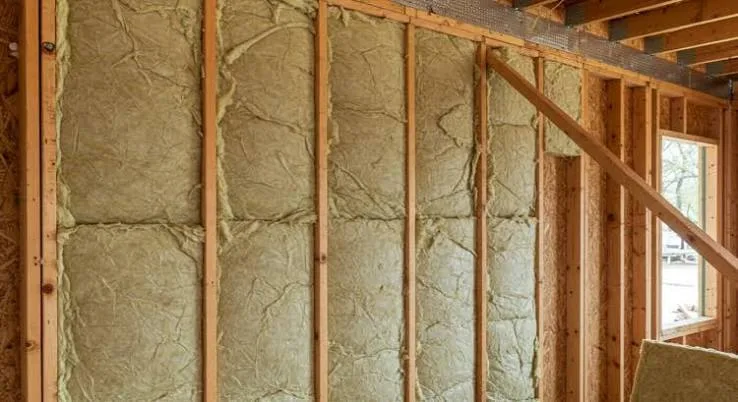
The main difference between R11 and R13 insulation is their thermal resistance. R13 has a higher R-value than R11, so it provides greater resistance to heat flow when both products are installed correctly under comparable conditions.
For Seattle homeowners, however, choosing between R11 and R13 is not simply a matter of picking the higher number. The wall assembly, insulation material, installation quality, air sealing, moisture control, and applicable building requirements all affect the final result. Seattle currently follows the 2021 Seattle Residential Code for applicable residential buildings, with local amendments. Seattle Residential Code requirements
This guide explains the difference between R11 and R13, how R-value affects wall performance, what Seattle homeowners should know about current requirements, and when professional insulation advice can make sense.
R11 vs. R13 Insulation: What Is the Difference?
R-value measures an insulation material's resistance to heat flow. A higher R-value generally means greater resistance to heat transfer.
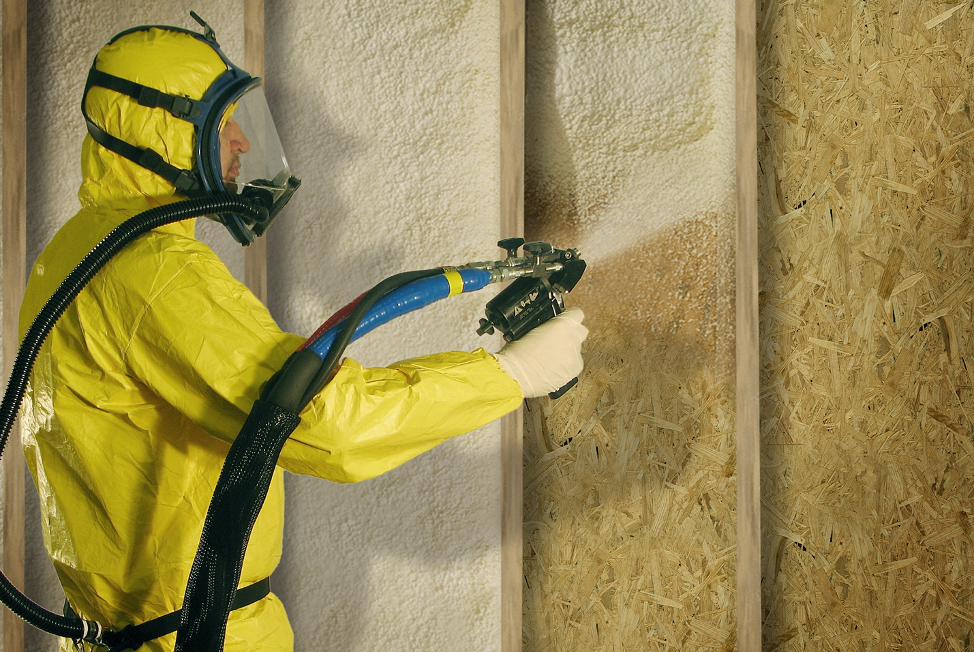
That makes R13 insulation more thermally resistant than R11 insulation. The difference is useful when comparing similar insulation products, but the R-value printed on the insulation is only one part of the finished wall's performance.
FactorR11 InsulationR13 InsulationR-valueLowerHigherResistance to heat flowLower than R13Higher than R11Potential thermal performanceModerateBetter than R11 when conditions are comparableTypical considerationExisting or specific wall assembliesCompatible wall cavities and assembliesAir sealingMust be addressed separately unless the product provides an air-sealing functionMust be addressed separately unless the product provides an air-sealing functionSeattle code complianceDepends on project and assemblyDepends on project and assemblyThe key takeaway is simple: R13 performs better than R11 based on R-value alone, but neither number should be evaluated without looking at the complete wall assembly.
What Does R-Value Mean for Seattle Walls?
R-value describes an insulation material's resistance to conductive heat flow. According to the U.S. Department of Energy, the R-value depends on factors including the type and thickness of insulation. U.S. Department of Energy insulation and R-value guidance
For a homeowner, this means a higher R-value can help slow heat transfer through an insulated area. But the performance of an entire wall also depends on framing, gaps, penetrations, installation quality, air leakage, windows, and other parts of the building envelope. For example, insulation that is compressed or leaves open gaps may not perform as intended. A wall can also lose energy through areas that are not properly insulated or air-sealed.
Is R13 Enough for Seattle Walls?
Not necessarily. Seattle's energy requirements address the building envelope, including walls and measures intended to control heat loss and air leakage. The requirements vary according to the building type and the type of project being completed. Seattle Energy Code requirements
For applicable residential work, current requirements can call for wall assemblies with significantly more insulation than simply R11 or R13 cavity insulation alone. This is why homeowners should not assume that installing R13 automatically means a wall meets current Seattle requirements.
The right insulation level depends on factors such as:
- Whether the property is new construction or an existing home
- The type of wall assembly
- Stud depth and framing
- Whether continuous insulation is included
- Whether the project is an addition, alteration, repair, or new construction
- The applicable Seattle code provisions
- The insulation method being used
An insulation professional can help determine what the existing wall can accommodate before work begins.
Why Air Sealing Matters Along With Insulation?
Insulation and air sealing perform different functions. Insulation slows heat transfer. Air sealing limits unwanted movement of air through cracks, joints, penetrations, and other openings in the building envelope.
This distinction matters because adding insulation does not automatically eliminate drafts. The U.S. Department of Energy explains that air sealing and insulation work together to improve building comfort and performance.
Common areas that may need attention include:
- Electrical and plumbing penetrations
- Gaps around framing
- Window and door openings
- Wall-to-floor connections
- Wall-to-ceiling connections
- Utility penetrations
- Areas where old insulation has shifted or been removed
A wall with good insulation but significant air leakage may still leave a room feeling uncomfortable.
Benefits of Choosing the Right Wall Insulation
Selecting the appropriate insulation system can provide several practical benefits for Seattle properties.
Better Indoor Comfort
Properly insulated exterior walls can help reduce heat transfer between indoor and outdoor spaces. This can make rooms feel more consistent, particularly along exterior walls.
Improved Thermal Performance
Moving from a lower R-value to a higher R-value can increase resistance to heat flow when the insulation is installed correctly and the wall assembly is appropriate.
Fewer Draft-Related Problems
Insulation combined with proper air sealing can help address uncomfortable drafts caused by gaps and penetrations in the building envelope.
Better Building Envelope Performance
A complete insulation strategy considers more than the insulation itself. Air control, moisture management, thermal performance, and installation details all contribute to how a wall performs.
R11 vs. R13: Pros and Cons
R11 Insulation
Pros
- May be found in older homes and existing wall assemblies.
- Can be relevant when evaluating existing insulation during a renovation.
- May be appropriate for specific assemblies when supported by the project requirements.
Cons
- Has a lower R-value than R13.
- Provides less resistance to heat flow than R13 under comparable conditions.
- May not satisfy current requirements for many Seattle wall projects.
- Does not automatically address air leakage.
R13 Insulation
Pros
- Provides greater thermal resistance than R11.
- Can be suitable for compatible wall cavities.
- May improve thermal performance compared with R11 when properly installed.
- Can be part of a broader insulation and air-sealing strategy.
Cons
- R13 alone may not meet current requirements for an applicable Seattle project.
- Installation quality can affect actual performance.
- Thermal bridging and air leakage can still reduce overall wall performance.
Common Wall Insulation Problems in Seattle Homes
Older Seattle homes can have wall assemblies that differ considerably from modern construction. Homeowners may discover insulation problems when remodeling, replacing siding, investigating drafts, or trying to improve comfort.
Cold Exterior Walls
If interior wall surfaces feel noticeably colder than other parts of the home, insufficient insulation, air leakage, thermal bridging, or another building-envelope issue may be involved.
Missing or Uneven Insulation
Older insulation can be incomplete, displaced, compressed, or damaged. Small gaps may reduce the consistency of the wall's thermal protection.
Drafts Around Walls
Drafts are not always caused by insufficient insulation. Air can enter through cracks and penetrations around electrical outlets, windows, doors, plumbing, and framing connections.
Moisture Concerns
Seattle's wet climate makes moisture management an important part of wall construction. Insulation should be installed as part of a wall assembly that properly manages water, air, and vapor. If moisture is already present, simply adding insulation may not address the underlying problem.
How Seattle Weather Affects Wall Insulation?
Seattle has a mild marine climate with frequent cool and wet conditions. During colder periods, inadequate insulation or air leakage can make exterior rooms less comfortable and increase heat transfer through the building envelope.
Rain and moisture exposure also make proper wall design important. Insulation should work together with the exterior cladding, weather-resistive layers, air control, and moisture-management details.
For an existing home, this is one reason an inspection can be more useful than choosing insulation based only on an R-value.
Should You Choose R11 or R13?
If the choice is strictly between comparable R11 and R13 insulation products for a suitable wall cavity, R13 generally provides better thermal resistance. But that does not necessarily mean R13 is the complete solution for your Seattle home.
Before choosing an insulation product, consider:
- The existing wall construction
- Available cavity depth
- Existing insulation
- Air leakage
- Moisture conditions
- Thermal bridging
- Applicable Seattle requirements
- Whether the wall will be opened during remodeling
- Whether cavity insulation, continuous insulation, spray foam, or a combination is appropriate
The best insulation system is the one that works with the entire wall assembly rather than simply having the highest number on the package.
Why Choose Cascadia Spray Foam Insulation of Seattle?
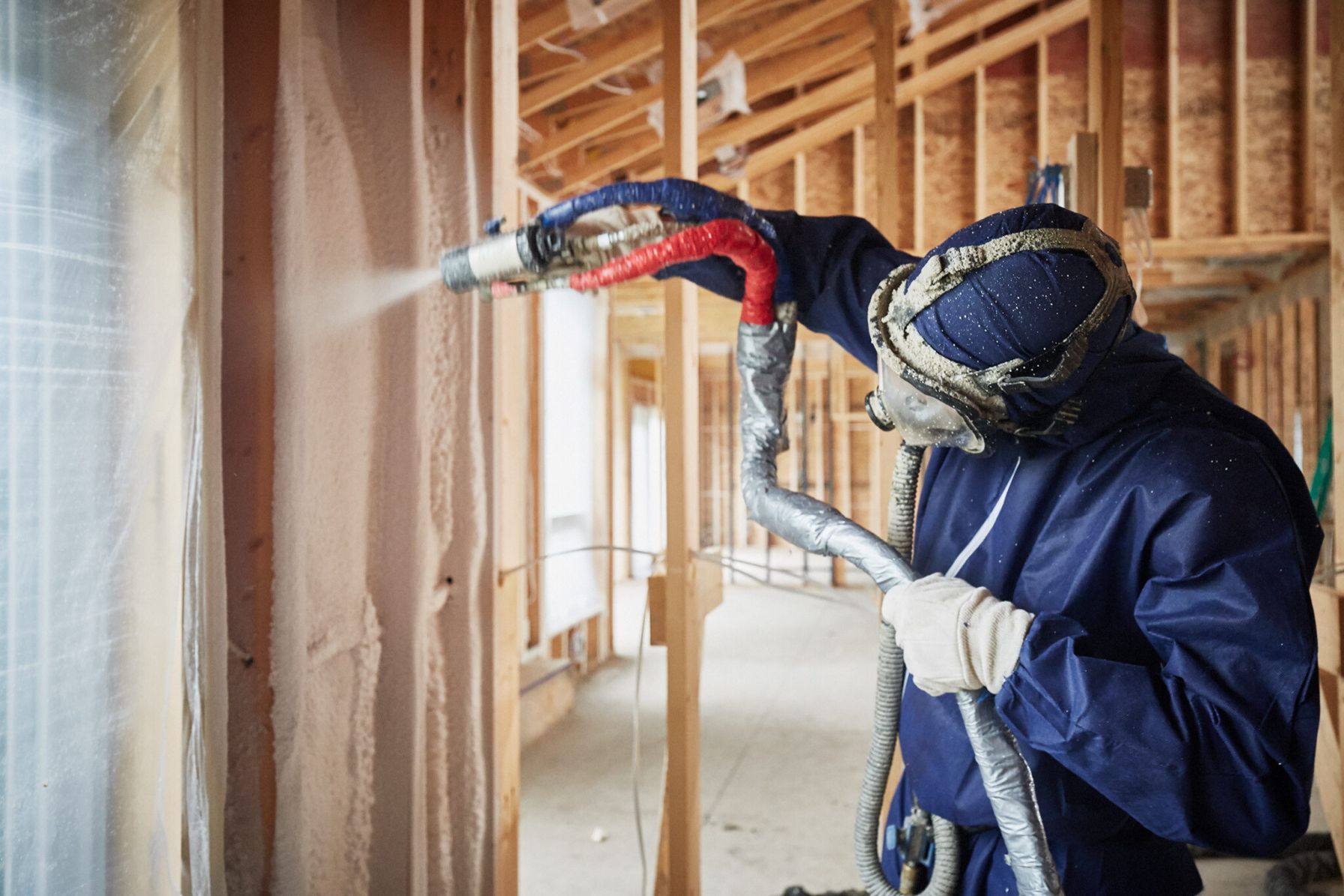
A professional spray foam insulation contractor in Seattle a can evaluate the existing conditions before recommending an insulation approach. We focuses on practical insulation solutions for homeowners and businesses. A professional evaluation can help identify whether your property needs additional insulation, air sealing, spray foam, or another approach.
This is particularly useful when dealing with older walls where the existing construction is difficult to determine without inspection.
Conclusion
The difference between R11 and R13 insulation is primarily their thermal resistance. R13 has a higher R-value than R11 and can provide greater resistance to heat flow when the insulation and installation conditions are comparable. However, Seattle homeowners should look beyond the R-value alone. Current energy requirements, wall construction, air sealing, moisture control, thermal bridging, and installation quality all affect how an insulated wall performs.
If your home has cold rooms, drafty walls, old insulation, or inconsistent indoor temperatures, a professional assessment can help determine whether additional insulation or a more comprehensive building-envelope improvement is appropriate.
Get Professional Wall Insulation Help in Seattle
If you are planning an insulation upgrade or are unsure whether your existing wall insulation is adequate, contact Cascadia Spray Foam Insulation of Seattle.
Phone: (425) 386-3500
Email: [email protected]
A professional can evaluate your wall assembly and help you determine an insulation approach based on the property's existing conditions and applicable requirements.
FAQs About R11 vs. R13 Insulation
Is R13 Better Than R11 Insulation?
Yes. R13 has a higher R-value than R11, meaning it provides greater resistance to heat flow when comparable insulation products are correctly installed.
Is R11 Insulation Still Used in Walls?
R11 can be found in older homes and existing wall assemblies. Whether it is appropriate for a particular project depends on the wall construction and applicable requirements.
Is R13 Enough for Seattle Walls?
Not necessarily. R13 alone may not satisfy the requirements for an applicable Seattle wall project. The required wall assembly depends on the building and project type.
Can Spray Foam Be Used Instead of R11 or R13?
Spray foam is a different insulation approach and can also provide air-sealing benefits depending on the product and installation. The appropriate foam type and thickness depend on the specific wall assembly and project requirements.
Should I Replace Old R11 Insulation?
It may make sense if the existing insulation is damaged, incomplete, poorly installed, or contributing to comfort problems. However, the existing wall should be evaluated before deciding on a replacement strategy.
Does Higher R-Value Always Mean a Better Wall?
No. R-value is important, but the complete wall assembly matters too. Air leakage, thermal bridging, moisture control, installation quality, framing, and continuous insulation can all affect overall performance.
Author & Reviewer
Author: I'm Melissa Grant, owner of Cascadia Spray Foam Insulation, with over 10 years of hands-on experience in spray foam insulation. I'm committed to delivering efficient, durable insulation solutions while providing excellent customer service and helping homeowners and businesses improve comfort and energy efficiency.
Reviewer: Olivia Thompson has spent 10 years working in spray foam insulation, helping companies grow their visibility. She reviewed this article and provided valuable suggestions on how to better align the content with the needs and expectations of customers, ensuring it resonates with the target audience.