Food, medicine, flowers and many other goods spoil quickly if they get too warm. That is why businesses rely on temperature-controlled space to keep products safe from the moment they are made until they reach the customer. People often use the terms “cold storage” and “refrigerated warehousing” as if they mean the same thing. They are closely related, but there are real differences in how they work and what they are used for. Knowing those differences helps you choose the right setup for your products.
What Does Cold Storage Actually Mean?
Cold storage is the broad term for any space that keeps goods at a controlled low temperature. It covers a wide range, from a small walk-in room at the back of a restaurant to a huge building that holds thousands of pallets. The goal is always the same: slow down spoilage, protect quality and keep products safe for longer.
Within this broad idea, temperatures can vary a lot. Some products need to stay just above freezing, while others must be held well below it. The right level depends on what you are storing and how long it needs to last.
What Is Refrigerated Warehousing?
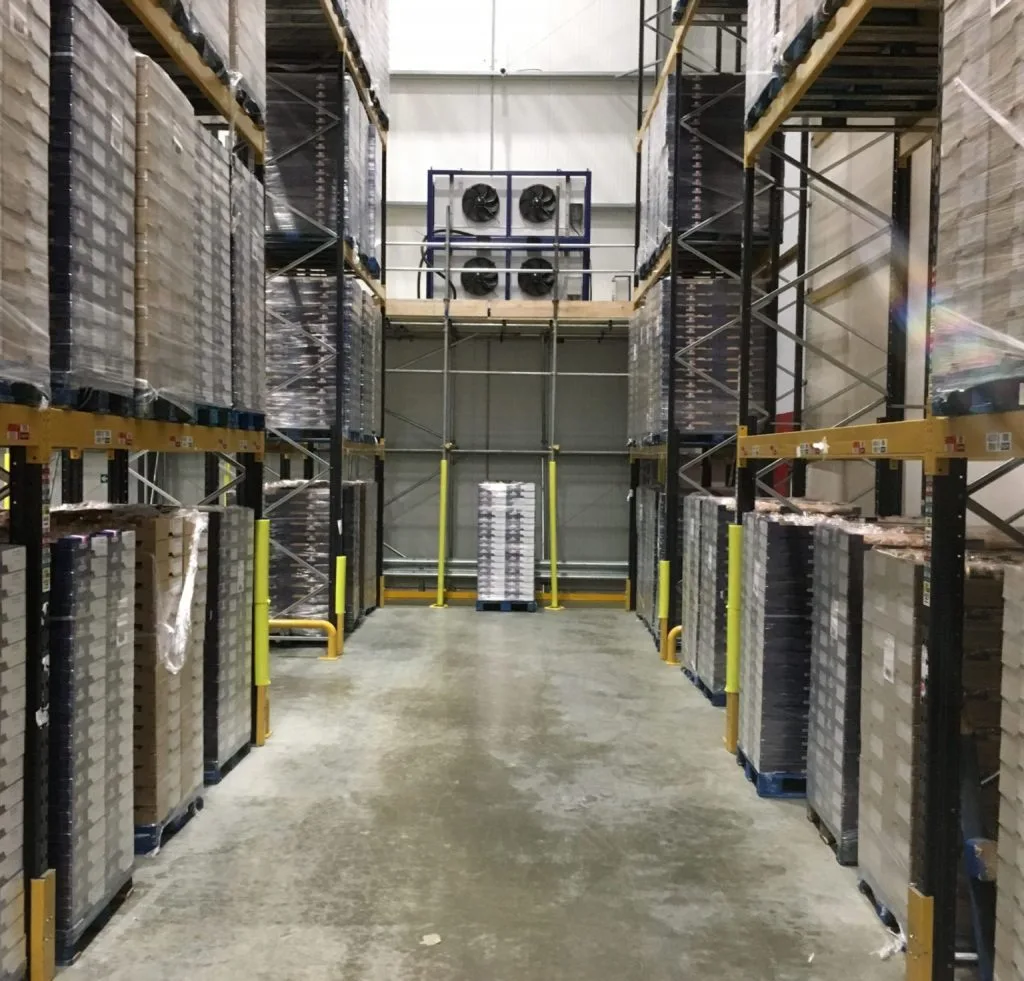
Refrigerated warehousing is a more specific type of storage. It usually means a large commercial building, built for storing and moving goods in bulk at controlled temperatures. These sites often include loading bays, racking, forklifts and systems that track stock as it comes in and goes out.
Think of it this way: cold storage describes the condition, while refrigerated warehousing describes the type of building and service. A chilled room in a shop is cold storage. A large distribution centre that handles chilled and frozen stock for many customers is refrigerated warehousing.
How Are They Different in Day-to-Day Use?
The easiest way to see the gap is to compare them side by side.
- Size: Cold storage can be as small as a single room. Refrigerated warehousing is built on a much larger scale.
- Purpose: Smaller cold rooms hold stock for short periods. Refrigerated warehouses are designed for long-term storage and high-volume movement.
- Equipment: Warehouses use pallet racking, dock levellers, strip curtains and monitoring software. Small rooms may only need shelves and a basic cooling unit.
- Staffing: A refrigerated warehouse needs trained teams, safety procedures and cold-weather clothing. A small room is usually managed by the business owner or a few staff.
- Cost: Running a large site costs more, but the cost per item is often lower at scale.
Which Temperature Ranges Do These Spaces Use?
Different goods need different conditions, so most sites divide their space into zones.
Chilled: Roughly 0°C to 5°C. This suits dairy, fresh vegetables, fruit, meat and ready meals.
Frozen: Around -18°C or below. This is used for frozen food, ice cream and some medical products.
Deep frozen: Colder than -25°C. This is used for specialist goods that need extreme cold.
Modern cold storage facilities often hold more than one zone under the same roof, so a business can store chilled and frozen goods together without moving them far.
Who Uses These Spaces?
Many industries depend on controlled temperatures. Supermarkets and food producers are the obvious users, but pharmacies, hospitals, laboratories, florists and drinks companies also need them. Vaccines, for example, must stay within a narrow range from the factory to the clinic. Even a short break in the cold chain can make a whole batch unusable.
Why Does Good Design Matter?
A cold space only works if it is built well. Poor insulation, weak seals around doors or an undersized cooling system can raise energy bills and put stock at risk. Airflow is just as important. Cold air must move evenly so there are no warm spots where food could spoil.
Hygiene is another key point. Floors, walls and equipment need to be easy to clean, and the space should meet food safety rules. Regular maintenance of fans, compressors and door seals keeps everything running smoothly and avoids sudden breakdowns.
Can an Ordinary Building Be Turned Into a Cold Space?
Yes, and this is more common than many people think. An existing building can be converted if it has enough height, a solid floor and a good structure. The work usually involves adding insulated panels, a new floor, cooling equipment and suitable doors. Converting can be faster and cheaper than building from scratch, which is why many businesses explore it when they need to grow.
Before choosing this route, it helps to think about your future needs. How much stock will you hold? Will your range of products grow? Do you need different temperature zones? Planning for these questions early avoids costly changes later.
How Do You Choose the Right Option?
Start with your products and the temperature they need. Then consider volume, how fast stock moves and your budget. Small businesses with limited stock may be fine with a compact cold room. Companies that handle large quantities, or that need space for many customers, will usually do better with cold storage warehouses designed for heavy use.
It also helps to look at energy use. Well-insulated buildings with efficient cooling systems cost less to run and are kinder to the environment. Ask about backup power as well, because a power cut can cause serious losses within hours.
Final Thoughts
Cold storage and refrigerated warehousing share the same purpose, but they differ in scale, equipment and use. One is the general idea of keeping things cold, while the other is a large, organised service for storing and moving goods. Understanding the difference helps you plan your space, control costs and protect your products.
If you are thinking about adapting a building for this purpose, a specialist such as Advanced Climate Rentals can advise on conversions and cooling systems suited to your needs. Taking expert advice early often saves time and money in the long run.