
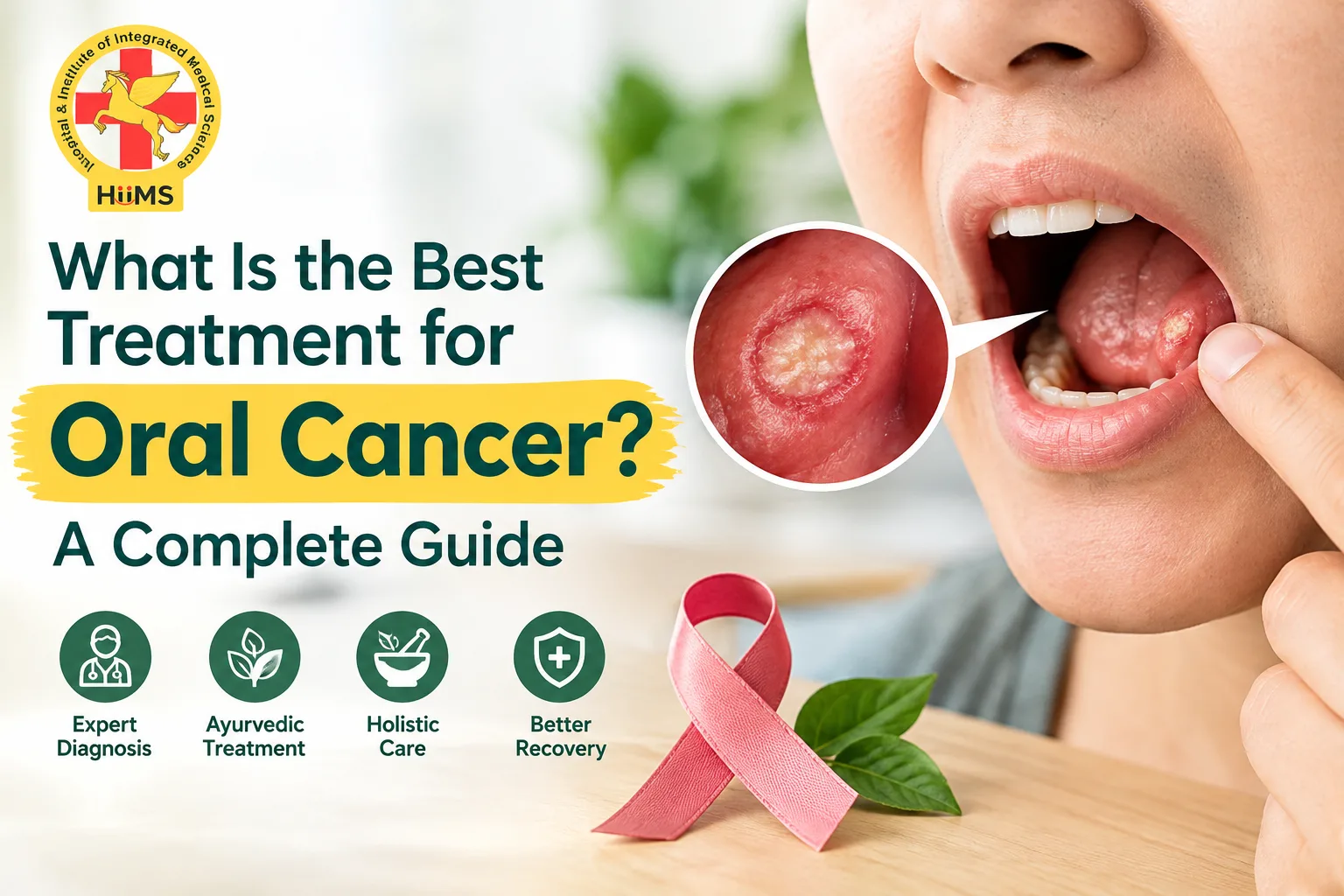
Oral cancer is a serious health condition that affects different parts of the mouth, including the tongue, gums, inner cheeks, lips, floor of the mouth, and roof of the mouth. Early recognition and timely medical evaluation are important for identifying the condition and planning appropriate care. Understanding oral cancer, its warning signs, available treatment approaches, and supportive lifestyle measures can help individuals make informed decisions about their health.
Many people look for information about natural and Ayurvedic approaches to oral cancer management. Jeena Sikho HiiMS emphasises an individualised approach to wellness, including attention to nutrition, daily routines, and overall well-being. However, oral cancer requires prompt assessment by qualified cancer specialists. Natural remedies should not be considered a cure or used as a substitute for established cancer treatment.
What Is Oral Cancer?
Oral cancer refers to the uncontrolled growth of abnormal cells in the tissues of the mouth. It most commonly develops in the cells lining the oral cavity, although different types of oral cancer can affect different tissues.
Oral cancer may develop on the tongue, inside the cheeks, on the gums, lips, or other areas of the mouth. Its presentation varies depending on the location, size, and stage of the disease.
Early evaluation can help establish an accurate diagnosis and determine the most appropriate treatment plan. Any persistent or unusual change in the mouth should be assessed by a qualified healthcare professional.
What Are the Common Warning Signs of Oral Cancer?
Recognising possible warning signs can help people seek medical attention without unnecessary delay. Symptoms may also occur with non-cancerous conditions, so their presence does not automatically mean someone has oral cancer.
Common warning signs include:
- A mouth ulcer or sore that does not heal.
- A persistent red or white patch inside the mouth.
- A lump, thickened area, or unusual growth in the mouth.
- Unexplained bleeding in the mouth.
- Persistent pain in the mouth or tongue.
- Difficulty chewing, swallowing, or moving the tongue.
- Numbness in part of the mouth or lip.
- A persistent change in the voice or sensation in the throat.
If any of these changes persist for around two weeks, arrange a prompt examination. A suspicious lesion should be evaluated sooner when it is growing, bleeding, or causing significant difficulty.
What Is the Best Treatment for Oral Cancer?
There is no single treatment that is best for every person with oral cancer. The appropriate approach depends on the exact diagnosis, the location and stage of the cancer, the person's general health, and whether the disease has spread to nearby tissues or other parts of the body.
1. Seek an Accurate Diagnosis
The first step is a detailed examination by a qualified cancer specialist. The evaluation may include an examination of the mouth and neck, a review of medical history, and investigations to determine the nature and extent of the condition.
A biopsy, in which a small tissue sample is examined, is commonly required to confirm whether a suspicious lesion is cancerous. Additional investigations may be recommended to establish the stage of the disease.
An accurate diagnosis is essential because mouth ulcers, infections, and other oral conditions can sometimes resemble oral cancer.
2. Understand the Available Treatment Options
Treatment is planned according to the cancer's characteristics and the person's individual needs. Depending on the diagnosis, established treatment may involve surgery, radiation, medicines that act against cancer, or a combination of approaches.
The treating cancer team explains the expected benefits, potential risks, and possible effects on speech, swallowing, nutrition, and quality of life. Seeking a second opinion from another qualified cancer specialist can also help individuals understand their options.
Patients should not delay or discontinue recommended treatment in favour of unproven remedies.
3. Follow an Individualised Care Plan
Oral cancer management often requires coordination between cancer specialists, dental professionals, nutrition experts, and rehabilitation providers. The care plan may change depending on the person's response to treatment and any difficulties that arise during recovery.
Regular follow-up appointments help monitor recovery, identify complications, and check for signs of recurrence. Maintaining communication with the treating team is important throughout the care process.
Can Ayurveda Help in Oral Cancer Management?
Ayurveda traditionally emphasises individual constitution, dietary habits, daily routines, and overall well-being. Some people explore Ayurvedic practices alongside their cancer care to support comfort, nutrition, and emotional well-being.
Jeena Sikho HiiMS promotes a holistic perspective on health and encourages attention to individual needs. However, there is currently no reliable scientific evidence that Ayurveda alone can cure oral cancer or replace established cancer treatment.
1. Consult Qualified Practitioners
Anyone considering Ayurvedic care after an oral cancer diagnosis should discuss it with their treating cancer specialist and a qualified Ayurvedic practitioner who is aware of the diagnosis and ongoing treatment.
This communication is particularly important because certain herbs, supplements, and concentrated preparations may interact with cancer medicines, affect the liver or kidneys, or increase the risk of bleeding.
2. Avoid Unverified Remedies
Do not apply herbal pastes, powders, oils, or other substances directly to a suspicious oral lesion without professional guidance. Some products may irritate sensitive tissues, delay diagnosis, or cause harm.
Similarly, claims that a particular herb, detox preparation, or natural formula can eliminate oral cancer should be treated cautiously. No complementary remedy should delay a biopsy, specialist consultation, or recommended cancer care.
What Dietary Changes Can Support Oral Cancer Care?
Nutrition plays an important role in maintaining strength and supporting recovery. Oral cancer and its treatment may cause pain, difficulty swallowing, changes in taste, or reduced appetite. These difficulties can make it challenging to consume enough calories, protein, and fluids.
1. Choose Nutrient-Rich Foods
Depending on the person's ability to chew and swallow, suitable foods may include:
- Soft-cooked vegetables and vegetable soups.
- Soft fruits or smooth fruit preparations.
- Well-cooked lentils and other protein-rich foods.
- Soft rice, porridge, and other easy-to-eat grains.
- Eggs, yoghurt, tofu, or other appropriate protein sources.
Food choices should be adjusted to individual needs and any swallowing difficulties. A registered dietitian or qualified nutrition professional can help develop a suitable eating plan.
2. Maintain Adequate Hydration
Drinking sufficient fluids helps maintain hydration. People experiencing mouth pain may find cool or room-temperature drinks more comfortable than very hot beverages.
Avoid foods that cause irritation, such as very spicy, acidic, rough, or extremely hot items, if the mouth is sore. If swallowing becomes difficult, seek prompt professional advice rather than trying to manage the problem through diet alone.
3. Avoid Tobacco and Limit Alcohol
Tobacco use, including smoking and chewing tobacco, is a major risk factor for oral cancer. Areca nut and betel quid products also increase oral cancer risk, including products used without tobacco.
Stopping tobacco and areca nut use is an important step for oral health. Alcohol also contributes to oral cancer risk, particularly when combined with tobacco. Avoiding alcohol is advisable, especially during cancer care, unless the treating team provides specific guidance.
How Can Patients Maintain Oral Hygiene During Recovery?
Oral hygiene can become more challenging when the mouth is painful or sensitive. Gentle care may help reduce irritation and maintain comfort.
- Use a soft-bristled toothbrush, if tolerated.
- Follow the treating team's instructions for mouth rinses and oral care.
- Avoid tobacco and products that irritate the mouth.
- Attend recommended dental assessments.
- Report persistent bleeding, worsening pain, swelling, or difficulty eating.
Do not use harsh home remedies or strong mouth preparations on damaged oral tissues without professional advice.
How Can Family Members Support Someone With Oral Cancer?
Emotional and practical support can make the care journey easier. Family members can help with appointments, meal preparation, medication schedules, and follow-up visits. Listening without judgement and allowing the person to discuss their concerns can also provide reassurance.
If speaking or swallowing becomes difficult, patience and assistance with communication may be helpful. Professional counselling or support groups may also offer emotional support to patients and caregivers.
When Should You Seek Medical Attention?
Arrange a prompt oral examination if you notice a persistent ulcer, unexplained lump, red or white patch, or another unusual change in the mouth. Seek urgent medical attention if you experience significant bleeding, rapidly increasing swelling, or difficulty breathing or swallowing.
Early evaluation is important because timely diagnosis can expand treatment options and improve the chances of better outcomes.
Conclusion
The best treatment for oral cancer depends on the type, location, stage, and individual health needs of the patient. Accurate diagnosis, timely consultation with qualified cancer specialists, and a personalised treatment plan are essential components of care.
Jeena Sikho HiiMS encourages a holistic approach to wellness that may include appropriate nutritional support, healthy daily routines, and attention to emotional well-being. However, Ayurveda and other complementary practices should only be considered with appropriate professional guidance and must never replace or delay established cancer treatment.
By recognising warning signs, avoiding tobacco and areca nut, maintaining oral hygiene, and following professional recommendations, individuals can take meaningful steps towards protecting their oral health and supporting their overall well-being.