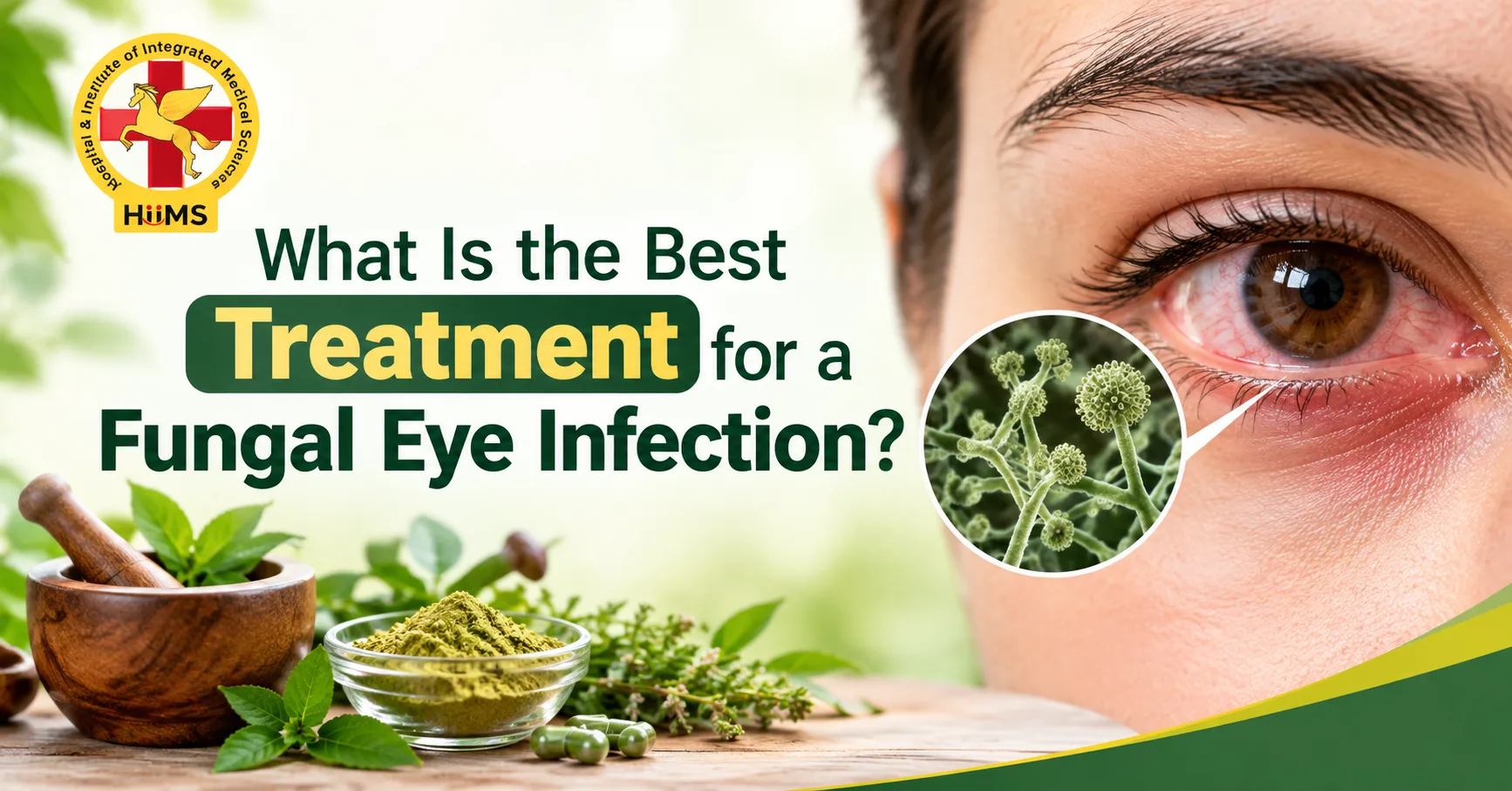
A fungal eye infection is a condition that occurs when fungi affect one or more parts of the eye. It can cause redness, irritation, pain, watering, blurred vision, and sensitivity to light. The severity of the infection depends on the part of the eye affected, the type of fungus involved, and the individual's overall health. Early recognition and appropriate care are essential to protect eye health and reduce the risk of complications. People often look for natural ways to maintain eye health and relieve discomfort.
However, a suspected fungal eye infection requires prompt assessment by a qualified eye specialist because it can sometimes threaten vision. Jeena Sikho HiiMS encourages a holistic approach to wellness while recognising the importance of timely professional evaluation and safe eye care.
What Is a Fungal Eye Infection?
A fungal eye infection develops when fungi enter or grow in tissues around or within the eye. One important form is fungal keratitis, which affects the cornea, the clear front surface of the eye. Other fungal infections may affect deeper eye structures or the tissues surrounding the eye.
Fungi may enter the eye following an injury involving plant material, soil, or dust contaminated with fungal organisms. Contact lens-related contamination, poor lens hygiene, and certain underlying health conditions may also increase the risk of some eye infections.
A fungal infection can resemble other eye conditions, so symptoms alone cannot reliably establish the cause. An appropriate eye examination is important to determine the problem and guide further care.
What Are the Common Symptoms of a Fungal Eye Infection?
The symptoms can vary depending on the location and severity of the infection. Common warning signs include:
- Redness in or around the eye.
- Eye pain or persistent discomfort.
- Excessive watering or discharge.
- Sensitivity to bright light.
- Blurred or reduced vision.
- A feeling that something is stuck in the eye.
- A visible white or grey spot on the cornea in some cases.
- Swelling or irritation around the affected eye.
These symptoms do not necessarily indicate a fungal infection. Other eye conditions can produce similar signs.
Important: Eye pain accompanied by redness, light sensitivity, or changes in vision requires urgent assessment. If you suspect a fungal eye infection, seek prompt evaluation from an eye specialist rather than relying on home remedies.
What Is the Best Treatment for a Fungal Eye Infection?
The most appropriate treatment depends on the type of fungus, the part of the eye affected, and the extent of the infection. There is no single home remedy or natural preparation that can reliably eliminate a fungal infection inside the eye.
1. Seek a Prompt Eye Examination
The first step is to consult a qualified eye specialist. The specialist can examine the eye and determine whether the cornea or another structure is affected. Depending on the findings, additional tests or laboratory analysis of a sample may be necessary to identify the infectious organism.
Early assessment helps distinguish fungal infections from bacterial infections, viral conditions, and non-infectious eye problems. It also helps determine the urgency and type of care required. Do not delay an examination while waiting for redness or discomfort to disappear on its own.
2. Follow the Recommended Treatment Plan
Treatment for a confirmed fungal eye infection requires specific care based on its location and severity. Fungal keratitis, for example, may require specialist-directed antifungal medication and close monitoring. More severe cases can require additional procedures or other specialised interventions.
Follow the eye specialist's instructions carefully, attend recommended follow-up appointments, and report any worsening symptoms promptly. Never start, stop, or change eye medication without professional guidance.
Some eye drops, particularly steroid-containing preparations, can worsen certain infections when used without appropriate supervision. Avoid using leftover prescriptions or medicines recommended for another person.
3. Keep the Eye Clean Without Applying Unverified Products
Safe hygiene is an important part of protecting the affected eye. Wash your hands before and after touching the area around your eyes. If discharge is present, gently clean the surrounding eyelid skin with clean materials, taking care not to press on the eye or rub the cornea.
Avoid putting herbal liquids, homemade mixtures, essential oils, rose water, honey, or other household substances directly into the eye. These products may introduce contamination, cause irritation, or delay appropriate care.
Natural ingredients are not automatically safe for delicate eye tissues. Products intended for skin care or general wellness should never be assumed suitable for use inside the eye.
Can Natural Remedies Treat a Fungal Eye Infection?
Natural approaches may support general well-being, but they should not replace appropriate treatment for a suspected fungal infection. There is insufficient evidence to establish that household remedies can safely eradicate fungi from the cornea or other internal eye structures.
Instead, focus on safe practices that reduce irritation and help protect the eye while obtaining professional care.
1. Use a Clean, Cool Compress for External Comfort
A clean, cool compress placed gently over the closed eyelid may provide temporary comfort for mild external irritation. Use a fresh, clean cloth and avoid pressing on the eyeball.
A compress does not treat the underlying fungal infection. Do not allow tap water or compress materials to enter the affected eye, and do not postpone medical evaluation to try this measure.
If the eye is painful, vision has changed, or light sensitivity is present, seek urgent eye care instead of relying on compresses.
2. Maintain a Balanced and Nutritious Diet
A balanced diet supports general health and normal immune function. Include a variety of vegetables, fruits, whole grains, protein-rich foods, and healthy fats in your daily meals.
Nutrient-rich foods can contribute to overall health, but no specific food or drink has been shown to cure a fungal eye infection. Supplements should not be used as a substitute for appropriate eye care, particularly when deficiencies have not been identified.
People with existing medical conditions or dietary restrictions should choose foods according to their individual needs.
3. Stay Hydrated and Maintain Healthy Daily Habits
Drinking enough water supports normal body functions. Adequate sleep, regular physical activity, and effective management of long-term health conditions also contribute to general well-being.
These habits may support overall health, but they cannot remove an established fungal infection from the eye. Continue to prioritise professional evaluation and the recommended treatment plan.
How Can You Prevent Fungal Eye Infections?
Preventive habits can reduce exposure to contaminants and help maintain eye hygiene.
1. Protect Your Eyes from Dust and Plant Material
Wear appropriate protective eyewear when gardening, farming, handling soil, cutting plants, or performing activities that may expose the eyes to debris. Even a minor injury involving a leaf, twig, or other plant material can introduce fungal organisms.
If an eye injury occurs, avoid rubbing the eye or attempting to remove an embedded object yourself. Seek medical advice, especially if pain, redness, or visual changes develop.
2. Follow Safe Contact Lens Practices
Contact lens users should follow the recommended cleaning, storage, and replacement instructions for their lenses. Wash and dry your hands before handling lenses, use the appropriate lens-care solution, and avoid exposing lenses to tap water.
Do not sleep in contact lenses unless specifically advised by an eye-care professional. If an infection is suspected, stop wearing the lenses and obtain prompt guidance about their safe handling and replacement.
3. Avoid Rubbing Your Eyes
Rubbing the eyes can increase irritation and may worsen an existing injury. Keep your hands clean and avoid sharing towels, eye cosmetics, or personal eye-care products.
Discard expired eye products and never share eye drops. These simple precautions can help maintain hygiene and reduce avoidable risks.
When Should You Seek Immediate Medical Attention?
A suspected fungal eye infection should be evaluated promptly. Seek urgent care if you experience:
- Severe or increasing eye pain.
- Blurred or reduced vision.
- Significant redness with sensitivity to light.
- A white or grey spot on the cornea.
- Symptoms following an eye injury involving soil or plant material.
- Rapid worsening of swelling, redness, or discomfort.
People with weakened immune systems or significant underlying health conditions should be particularly cautious. Delaying appropriate care can allow some eye infections to progress and potentially cause lasting damage to vision.
How Can Jeena Sikho HiiMS Support a Holistic Approach to Eye Health?
Jeena Sikho HiiMS promotes awareness of healthy lifestyle habits and a holistic approach to overall well-being. Balanced nutrition, adequate sleep, personal hygiene, and attention to existing health concerns can form part of a general wellness routine.
However, a suspected fungal eye infection requires assessment by a qualified eye specialist. Ayurvedic preparations, herbal products, and other natural remedies should not be placed in the eye or used as a substitute for infection-specific care. If you are considering complementary products, discuss their safety with qualified healthcare professionals.
The priority should always be protecting vision, identifying the cause of symptoms, and following an appropriate care plan.
Conclusion
The best treatment for a fungal eye infection depends on the organism involved, the affected eye structures, and the severity of the condition. Prompt evaluation by an eye specialist, appropriate infection-specific treatment, and regular follow-up are essential for protecting vision.
Although balanced nutrition, good hygiene, and healthy daily routines support overall well-being, natural remedies cannot be relied upon to cure a fungal eye infection. Avoid unverified eye drops and household preparations, protect your eyes from injury, and seek urgent care if pain, redness, light sensitivity, or changes in vision occur.
Jeena Sikho HiiMS encourages a holistic perspective on health while recognising that timely, specialised eye care is essential when an infection is suspected.