
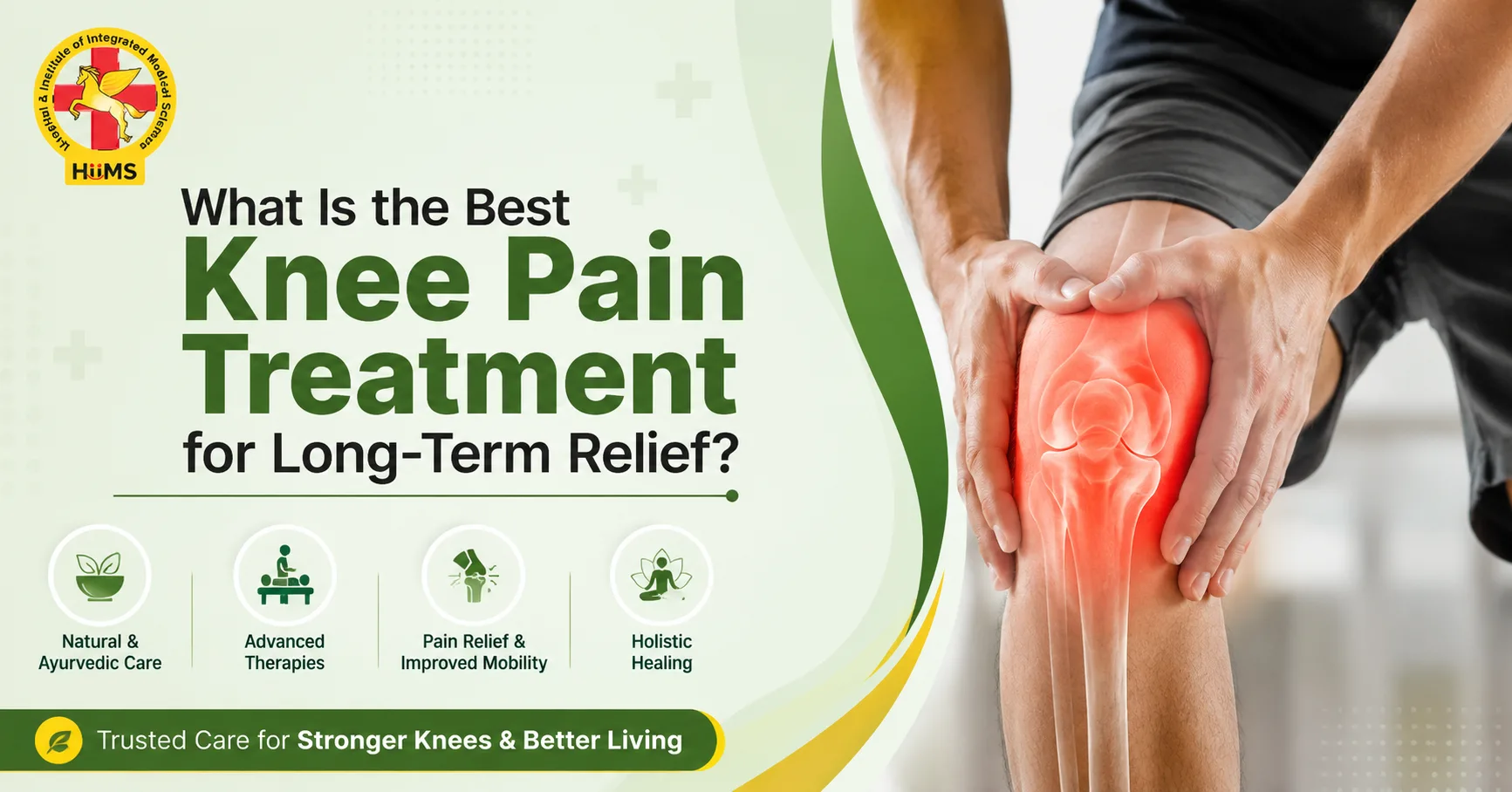
Knee pain is a common concern that can affect people of different age groups. It may make everyday activities such as walking, climbing stairs, sitting, standing, or exercising uncomfortable. While occasional knee discomfort may improve with rest and lifestyle changes, persistent pain may require a more comprehensive approach.
The best knee pain treatment for long-term relief depends on the underlying cause, severity of symptoms, daily habits, body weight, physical activity, and overall health. At Jeena Sikho HiiMS, the approach focuses on understanding the individual's condition and supporting joint health through personalized care, lifestyle guidance, diet, and traditional wellness practices.
Understanding Knee Pain
The knee is a complex joint that supports much of the body's weight and allows movements such as walking, bending, and running. Continuous strain, injuries, age-related changes, excessive body weight, or an inactive lifestyle may contribute to knee discomfort.
Knee pain may be experienced around the kneecap, inside or outside of the knee, or throughout the joint. Some people experience stiffness and difficulty moving the knee, while others may notice discomfort after prolonged standing or physical activity.
Understanding why knee pain is occurring is an important first step toward choosing an appropriate treatment approach.
What Causes Knee Pain?
Knee pain can have several possible causes. Common contributing factors include:
- Age-related changes in the joints
- Previous knee injuries
- Excessive body weight
- Repetitive physical activity
- Muscle weakness around the knee
- Poor posture or movement patterns
- Lack of regular physical activity
- Joint inflammation or stiffness
- Certain underlying health conditions
Because different causes can produce similar symptoms, an individualized assessment can help determine an appropriate approach.
What Is the Best Knee Pain Treatment for Long-Term Relief?
Long-term relief generally requires more than temporarily reducing discomfort. A sustainable approach focuses on identifying contributing factors and supporting the overall health and mobility of the knee.
At Jeena Sikho HiiMS, knee pain management may involve a combination of personalized dietary guidance, lifestyle modification, physical activity recommendations, traditional Ayurvedic principles, and supportive therapies according to an individual's needs.
1. Identify the Underlying Cause
Before beginning a long-term care plan, it is important to understand the nature of the knee problem.
1.1 Evaluate SymptomsThe duration, location, intensity, and pattern of pain can provide useful information. Symptoms such as stiffness, restricted movement, discomfort while climbing stairs, or pain after prolonged sitting may help healthcare professionals understand the condition.
1.2 Consider Lifestyle FactorsDaily habits can influence joint health. Long periods of sitting, inadequate physical activity, excessive weight, or repetitive strain may contribute to ongoing knee discomfort.
2. Focus on Healthy Body Weight
The knees carry a significant portion of the body's weight during everyday movements. Maintaining a healthy body weight can therefore be an important part of supporting knee health.
A balanced diet containing vegetables, fruits, whole grains, pulses, adequate protein, and other nutrient-rich foods can support overall wellness. Reducing excessive intake of highly processed foods, sugary foods, and deep-fried items may also help create healthier eating habits.
Weight management should be gradual and sustainable rather than based on extreme dietary restrictions.
3. Maintain Appropriate Physical Activity
Complete inactivity may not be helpful for long-term joint health. Appropriate movement can help maintain flexibility, muscle strength, and mobility.
Depending on the individual's condition, activities such as gentle walking, stretching, mobility exercises, and strengthening movements may be considered.
3.1 Start Gradually
People experiencing knee pain should avoid suddenly increasing the intensity or duration of exercise. Starting with gentle movements and gradually progressing can be more sustainable.
3.2 Avoid Excessive Strain
Activities that significantly increase knee discomfort should be modified. Maintaining proper posture and avoiding unnecessary repetitive strain can also support joint comfort.
4. Include Stretching and Strengthening Exercises
The muscles surrounding the knee, particularly the muscles of the thighs and hips, play an important role in movement and stability. Maintaining appropriate strength and flexibility can support normal movement.
Simple exercises may include gentle leg movements, controlled stretching, and strengthening exercises recommended according to an individual's condition.
Exercise selection should be personalized, particularly when pain is persistent or movement is significantly restricted.
5. Follow a Joint-Friendly Diet
Diet is another important component of a healthy lifestyle. A nutrient-rich eating pattern can support overall nutritional needs and healthy body weight.
A balanced daily diet may include seasonal vegetables, fruits, pulses, whole grains, nuts and seeds, and adequate fluids. Foods should be selected according to individual nutritional requirements and health conditions.
Instead of relying on a single food or drink for knee pain, maintaining consistent healthy eating habits is generally a more practical long-term approach.
6. Explore Personalized Ayurvedic Care
Ayurveda emphasizes an individualized approach to health and considers factors such as diet, lifestyle, daily routine, and the overall condition of the individual.
At Jeena Sikho HiiMS, Ayurvedic care may be considered as part of a personalized approach to knee and joint wellness. The specific plan can vary according to symptoms, health history, lifestyle, and individual requirements.
6.1 Personalized Assessment
Different people may experience knee pain for different reasons. Therefore, the same approach may not be suitable for everyone. Personalized assessment can help determine appropriate dietary, lifestyle, and supportive care recommendations.
6.2 Traditional Wellness Practices
Traditional Ayurvedic practices may be incorporated when considered appropriate by qualified practitioners. Such care should be individualized rather than followed solely on the basis of general online recommendations.
7. Improve Daily Habits
Small changes in everyday routines can make a meaningful difference to joint comfort and mobility.
Avoiding prolonged periods in the same position, maintaining appropriate posture, taking regular movement breaks, and choosing comfortable footwear can support healthier movement patterns.
People who spend several hours sitting should try to include short movement breaks throughout the day rather than remaining stationary for long periods.
8. Give the Body Adequate Rest
Exercise and movement are important, but adequate recovery is equally important. Excessive physical activity without sufficient rest may increase discomfort.
When knee pain becomes worse after a particular activity, reducing the intensity temporarily and allowing the body to recover may be appropriate. However, prolonged inactivity should generally be avoided unless specifically recommended by a healthcare professional.
9. Maintain a Consistent Long-Term Routine
One of the most important aspects of managing recurring knee discomfort is consistency. Making temporary changes for a few days may not address the lifestyle factors contributing to the problem.
A sustainable routine may include:
- Regular gentle movement
- Appropriate strengthening exercises
- Healthy eating habits
- Maintaining a healthy body weight
- Adequate rest and sleep
- Good posture and movement habits
- Regular monitoring of symptoms
Consistency can help make healthy habits part of everyday life.
When Should You Seek Professional Guidance?
Persistent or severe knee pain should not be ignored. Professional evaluation is especially important when pain follows an injury, significantly limits movement, repeatedly interferes with daily activities, or is accompanied by considerable swelling, redness, warmth, instability, or difficulty putting weight on the leg.
Sudden severe symptoms or an inability to move the knee normally require timely medical attention.
Why Choose Jeena Sikho HiiMS for Knee Pain Care?
Jeena Sikho HiiMS focuses on personalized health care and lifestyle-based wellness. For people seeking support for knee discomfort, the approach can include understanding individual concerns, reviewing lifestyle and dietary habits, and developing a care plan according to personal requirements.
Rather than focusing only on short-term comfort, long-term knee wellness involves paying attention to movement, nutrition, body weight, daily habits, and overall health.
Conclusion
The best knee pain treatment for long-term relief depends on the underlying cause and the individual's overall health. A comprehensive approach can include proper assessment, healthy body weight, appropriate physical activity, strengthening and stretching, balanced nutrition, adequate rest, and personalized care.
Traditional Ayurvedic principles may also be incorporated when appropriate as part of an individualized wellness plan. At Jeena Sikho HiiMS, the focus is on understanding individual needs and supporting healthier lifestyle habits alongside personalized care.
If knee pain continues for a prolonged period or interferes with normal activities, seeking professional guidance can help identify the possible cause and determine an appropriate course of care. Long-term knee wellness is best supported through consistent, sustainable habits rather than relying on a single remedy or temporary measure.