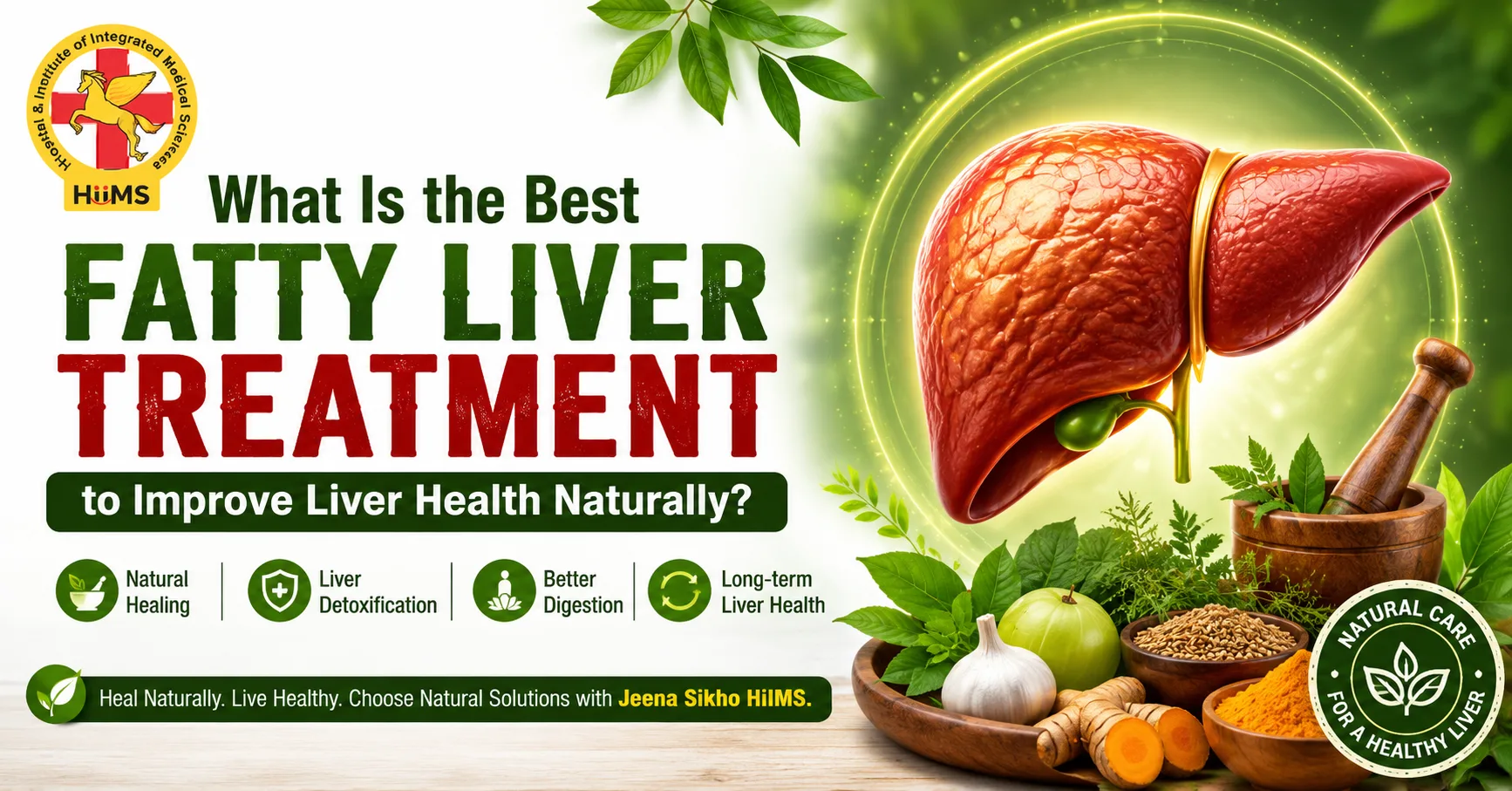
Fatty liver is becoming one of the most common liver conditions due to unhealthy eating habits, lack of physical activity, stress, and poor lifestyle choices. In its early stages, fatty liver often develops without noticeable symptoms, making regular awareness and timely care essential. If left unmanaged, excess fat accumulation in the liver may gradually affect liver function and overall health.
Many people today are searching for natural ways to support liver health instead of relying solely on symptom management. A holistic approach that combines a balanced diet, healthy lifestyle, herbal support, and detoxification practices may help improve liver function naturally.
At Jeena Sikho HiiMS, the focus is on identifying the root causes of liver imbalance and supporting the body's natural healing process through personalized natural healthcare approaches.
What Is Fatty Liver?
Fatty liver is a condition in which excess fat accumulates inside liver cells. While a small amount of fat in the liver is considered normal, excessive fat may interfere with normal liver function over time.
The liver performs several important functions, including:
- Removing toxins from the body
- Supporting digestion
- Producing bile
- Storing nutrients
- Regulating metabolism
- Processing proteins and fats
When excess fat builds up, these functions may gradually become less efficient, highlighting the importance of early lifestyle changes and proper liver care.
What Causes Fatty Liver?
Several lifestyle and dietary factors may contribute to fatty liver.
1. Unhealthy Eating Habits
Frequent consumption of processed foods, sugary beverages, refined carbohydrates, and deep-fried foods may increase fat accumulation in the liver.
2. Sedentary Lifestyle
Lack of regular physical activity slows metabolism and encourages fat storage, including in the liver.
3. Excess Body Weight
Being overweight or obese increases the likelihood of developing fatty liver because excess calories are often stored as fat throughout the body.
4. Poor Digestion
According to Ayurveda, weak digestion may lead to the accumulation of toxins (Ama), which can disturb normal liver function.
5. Stress and Irregular Routine
Long-term stress, inadequate sleep, and irregular meal timings may negatively affect metabolism and overall liver health.
Common Symptoms of Fatty Liver
Many individuals experience no symptoms during the early stages. As the condition progresses, some people may notice:
- Constant tiredness
- Heaviness in the upper right abdomen
- Indigestion
- Bloating
- Reduced appetite
- Unexplained weight changes
- Lack of energy
- Difficulty concentrating
These symptoms can also occur with other health conditions, so proper medical evaluation is important for an accurate diagnosis.
Why Early Fatty Liver Care Matters?
The liver has a remarkable ability to repair itself when supported through healthy habits. Addressing fatty liver in its early stages may help maintain normal liver function and support overall well-being.
Early care focuses on:
- Improving digestion
- Supporting natural detoxification
- Reducing excess fat accumulation
- Promoting healthy metabolism
- Encouraging long-term lifestyle improvements
Natural Approaches to Support Liver Health
Natural liver care focuses on improving overall health rather than simply addressing symptoms.
1. Healthy and Balanced Diet
Nutrition plays a major role in supporting liver health.
Choose foods such as:
- Fresh fruits
- Seasonal vegetables
- Whole grains
- Lentils
- Healthy fats in moderation
- Fiber-rich foods
Try to limit:
- Processed foods
- Sugary snacks
- Deep-fried foods
- Refined flour
- Carbonated beverages
A balanced diet may help maintain healthy liver function over time.
2. Maintain an Active Lifestyle
Regular physical activity supports healthy metabolism and helps manage body weight.
Activities may include:
- Walking
- Yoga
- Stretching exercises
- Light strength training
- Cycling
Even 30–45 minutes of daily movement can contribute to overall wellness.
3. Stay Properly Hydrated
Adequate water intake supports normal metabolic processes and helps maintain overall body functions. Drinking sufficient water throughout the day may also support natural detoxification.
4. Improve Digestion
According to Ayurveda, healthy digestion forms the foundation of good health.
Simple habits include:
- Eating meals on time
- Avoiding overeating
- Chewing food properly
- Choosing freshly prepared meals
- Avoiding late-night eating
Healthy digestion may positively influence liver function.
5. Follow a Consistent Daily Routine
Maintaining regular sleep, meal timings, and physical activity supports the body's natural biological rhythm and overall metabolic balance.
Ayurvedic Perspective on Fatty Liver
Ayurveda considers the liver an important organ associated with digestion and metabolism. According to Ayurvedic principles, imbalances in digestion and the accumulation of toxins may gradually affect liver health.
The Ayurvedic approach focuses on restoring internal balance through:
1. Personalized Lifestyle Guidance
Individual dietary recommendations and daily routines are suggested based on a person's overall health condition.
2. Herbal Support
Traditional Ayurvedic herbs have long been used to support healthy liver function and digestive wellness. Herbal recommendations should always be personalized and taken under qualified professional guidance.
3. Natural Detoxification
Ayurveda emphasizes improving digestion and supporting the body's natural cleansing processes rather than relying on quick fixes.
How Jeena Sikho HiiMS Supports Liver Wellness?
Jeena Sikho HiiMS follows a holistic approach to liver health by addressing lifestyle, dietary habits, digestion, and overall wellness.
The focus is on:
- Understanding individual health concerns
- Personalized nutritional guidance
- Lifestyle modification
- Natural wellness support
- Ayurvedic principles for overall health
- Long-term health management
Rather than focusing only on symptoms, Jeena Sikho HiiMS encourages sustainable lifestyle improvements that support overall liver wellness.
Lifestyle Tips to Improve Liver Health Naturally
Small daily habits can make a meaningful difference over time.
1. Eat Fresh Foods
Choose home-cooked meals made with fresh ingredients whenever possible.
2. Exercise Daily
Aim for at least 30 minutes of moderate physical activity most days of the week.
3. Get Quality Sleep
Sleeping for 7–8 hours each night supports recovery and healthy metabolism.
4. Reduce Stress
Meditation, yoga, deep breathing, and spending time outdoors may help manage stress levels.
5. Avoid Unnecessary Processed Foods
Reducing highly processed and sugary foods may help support healthy liver function.
6. Maintain a Healthy Weight
Gradual and sustainable weight management can positively influence liver health.
When Should You Seek Medical Advice?
Although fatty liver often develops silently, you should consult a qualified healthcare professional if you experience:
- Persistent fatigue
- Ongoing digestive discomfort
- Pain or heaviness in the upper abdomen
- Unexplained weight loss
- Yellowing of the eyes or skin
- Swelling in the abdomen
Early evaluation helps determine the underlying cause and the most appropriate management plan.
Conclusion
Fatty liver is a growing health concern, but positive lifestyle changes can play an important role in supporting liver health naturally. A balanced diet, regular physical activity, proper hydration, stress management, and healthy daily habits may help maintain normal liver function and overall well-being.
Jeena Sikho HiiMS promotes a holistic, Ayurveda-based approach that focuses on improving digestion, encouraging healthier lifestyle practices, and supporting the body's natural healing process. With personalized guidance and long-term wellness strategies, individuals can take meaningful steps toward better liver health and a healthier future.