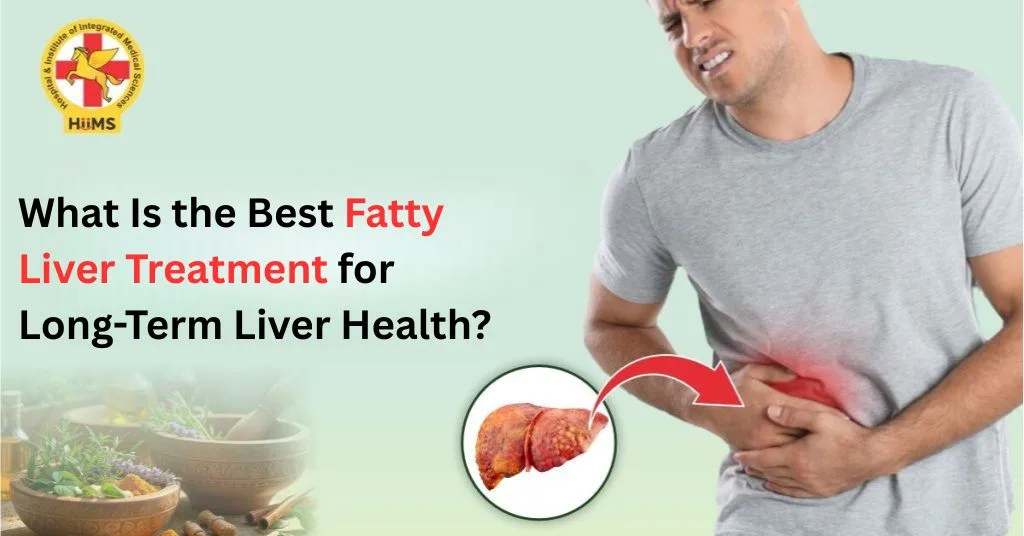
Fatty liver disease has become increasingly common due to unhealthy eating habits, sedentary lifestyles, stress, and metabolic imbalances. This condition occurs when excess fat accumulates in the liver cells, affecting the liver’s ability to perform essential functions. If ignored, fatty liver can gradually progress and impact overall health. Therefore, finding the right fatty liver treatment is important for maintaining long-term liver health and supporting the body's natural detoxification processes.
At Jeena Sikho HiiMS, the focus is on addressing the root causes of liver-related concerns through natural lifestyle modifications, dietary management, and holistic wellness practices that support liver function over time.
Understanding Fatty Liver Disease
The liver is one of the most important organs in the body. It helps process nutrients, remove toxins, regulate metabolism, and support digestion. When fat begins to accumulate in the liver beyond normal levels, it may lead to fatty liver disease.
In its early stages, fatty liver may not cause noticeable symptoms. However, as the condition progresses, some individuals may experience:
- Fatigue and low energy levels
- Discomfort in the upper right abdomen
- Unexplained weight gain
- Poor digestion
- Loss of appetite
- General weakness
Early detection and timely management play an important role in maintaining healthy liver function.
Why Long-Term Liver Health Matters
The liver performs hundreds of essential functions every day. When liver health is compromised, various bodily systems may also be affected. Maintaining long-term liver health is not only important for digestion but also for energy production, metabolism, and overall wellness.
A healthy liver helps:
- Remove harmful substances from the body
- Support healthy cholesterol levels
- Regulate blood sugar metabolism
- Assist in nutrient absorption
- Promote hormonal balance
- Support immunity
Therefore, choosing a sustainable fatty liver treatment strategy can help improve overall quality of life.
What Is the Best Fatty Liver Treatment?
The best fatty liver treatment is one that focuses on addressing the underlying causes rather than simply managing symptoms. Long-term improvements often require a combination of healthy dietary choices, physical activity, weight management, and lifestyle modifications.
At Jeena Sikho HiiMS, emphasis is placed on natural methods that encourage the body's healing abilities while supporting liver health through comprehensive wellness practices.
Key aspects of effective fatty liver management include:
Healthy Nutrition
A balanced diet is one of the most important components of liver care. Consuming nutrient-rich foods can help support liver function and reduce unnecessary stress on the organ.
Some beneficial dietary practices include:
- Eating fresh fruits and vegetables
- Including whole grains in daily meals
- Choosing healthy sources of protein
- Drinking adequate water
- Limiting processed and packaged foods
- Reducing excessive sugar consumption
A well-planned diet provides essential nutrients that contribute to overall liver wellness.
Weight Management
Excess body weight is commonly associated with fatty liver disease. Maintaining a healthy weight may help reduce fat accumulation in the liver and support metabolic health.
Sustainable weight management strategies include:
- Balanced eating habits
- Regular physical activity
- Proper sleep routines
- Stress management
Gradual and consistent lifestyle improvements often provide better long-term results than extreme dietary restrictions.
The Role of Physical Activity in Liver Health
Regular exercise is an important part of maintaining a healthy liver. Physical activity helps improve metabolism, support weight management, and enhance overall wellness.
Activities that may benefit liver health include:
- Walking
- Cycling
- Swimming
- Yoga
- Stretching exercises
Consistency is often more important than intensity. Even moderate daily activity can contribute significantly to liver health over time.
Importance of a Liver-Friendly Lifestyle
Beyond diet and exercise, several lifestyle habits can influence liver function. Adopting healthier daily routines can provide long-term benefits for individuals managing fatty liver concerns.
Some helpful habits include:
Staying Hydrated
Water plays an important role in supporting the body's natural cleansing processes. Proper hydration helps maintain overall organ function and supports metabolic activities.
Managing Stress
Chronic stress can negatively affect overall health and may indirectly impact liver function. Stress management techniques such as meditation, deep breathing exercises, and mindfulness practices can contribute to better wellness.
Prioritizing Sleep
Quality sleep allows the body to repair and regenerate. Consistently getting sufficient rest may help support metabolic balance and overall liver health.
Foods That Support Liver Wellness
Certain foods are commonly included in liver-friendly dietary plans due to their nutritional value.
Examples include:
- Leafy green vegetables
- Beetroot
- Carrots
- Apples
- Papaya
- Whole grains
- Nuts and seeds
- Lentils and legumes
These foods provide vitamins, minerals, antioxidants, and fiber that support overall health and digestive function.
Common Mistakes to Avoid
Many people unknowingly make choices that can place additional stress on the liver. Avoiding these habits may help support long-term liver wellness.
Some common mistakes include:
- Frequent consumption of processed foods
- Excessive intake of sugary beverages
- Irregular meal timings
- Lack of physical activity
- Chronic sleep deprivation
- Ignoring early health warning signs
Making small but consistent improvements in daily habits can contribute significantly to better liver health.
How Jeena Sikho HiiMS Supports Liver Health?
Jeena Sikho HiiMS follows a holistic approach that focuses on promoting overall wellness through natural health principles. The goal is to encourage healthier lifestyle choices that support the body's natural healing processes and long-term liver function.
The approach includes:
- Personalized dietary guidance
- Lifestyle modification support
- Wellness education
- Stress management practices
- Natural health-focused routines
By addressing multiple aspects of health simultaneously, individuals may be better equipped to maintain liver wellness over the long term.
Benefits of Taking Early Action
Managing fatty liver in its early stages can help support better health outcomes. Early lifestyle interventions often provide opportunities to improve liver function and reduce the risk of further complications.
Potential benefits of proactive liver care include:
- Improved energy levels
- Better digestion
- Enhanced metabolic health
- Improved overall well-being
- Greater support for long-term liver function
Regular health monitoring and maintaining healthy habits are important components of a long-term wellness strategy.
Conclusion
When considering the best fatty liver treatment for long-term liver health, a comprehensive approach that includes healthy eating, regular physical activity, weight management, stress reduction, and positive lifestyle habits is essential. Sustainable changes often provide greater benefits than temporary solutions.
Jeena Sikho HiiMS emphasizes a holistic path toward liver wellness by encouraging natural health practices and lifestyle improvements that support overall well-being. With consistent effort and proper guidance, individuals can take meaningful steps toward maintaining healthy liver function and improving their quality of life for years to come.