What Are TESA and PESA?
When sperm cannot be obtained through ejaculation, it does not necessarily mean that biological fatherhood is impossible. Modern fertility treatment offers procedures that can retrieve sperm directly from the male reproductive system and use it for assisted reproduction.
For couples exploring treatment at a Fertility Centre in Ariyalur, terms such as TESA and PESA may come up during an evaluation for male infertility. Although both are sperm retrieval procedures, they are performed differently and are suitable for different situations. Understanding the basic differences can make discussions with a fertility specialist much easier.
What Does PESA Mean?
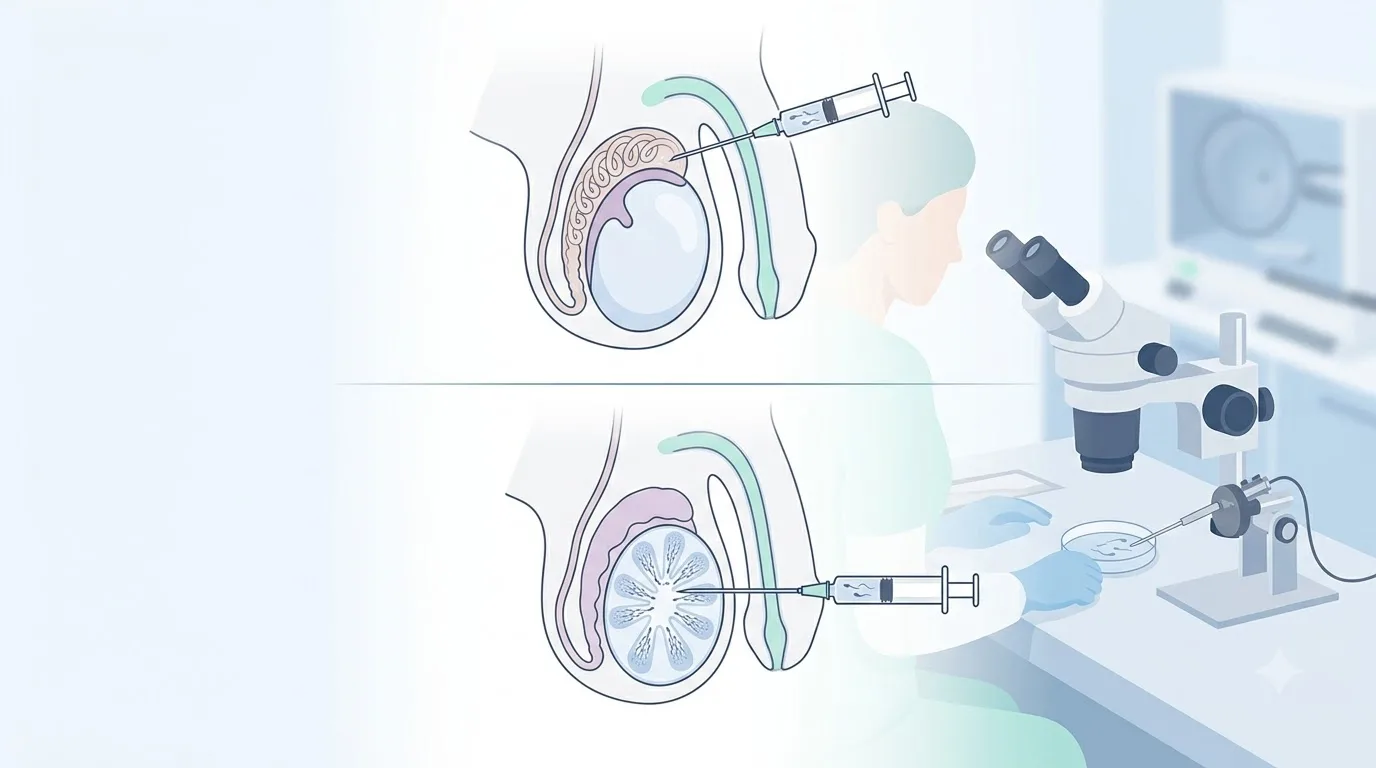
PESA stands for Percutaneous Epididymal Sperm Aspiration.
In this procedure, a very fine needle is inserted through the skin into the epididymis, the small tube attached to each testicle where sperm are stored and mature. Sperm-containing fluid is then gently aspirated.
PESA may be considered when sperm are being produced normally but cannot reach the semen because of a blockage in the reproductive tract. This situation is sometimes called obstructive azoospermia.
The procedure is generally less invasive than surgical sperm retrieval methods and can often be performed using local anesthesia, depending on the individual case.
What Does TESA Mean?
TESA stands for Testicular Sperm Aspiration.
Instead of collecting sperm from the epididymis, TESA retrieves sperm directly from the testicular tissue using a fine needle. The collected tissue or fluid is examined in the laboratory to identify sperm.
TESA may be considered when sperm production is present but sperm cannot be found in the ejaculate. It may also be considered in selected cases where other sperm-retrieval approaches are not suitable.
The exact technique chosen depends on the suspected cause of azoospermia and the results of the man's fertility evaluation.
Who May Need Sperm Retrieval?
Sperm retrieval may be considered when a semen analysis shows azoospermia, meaning no sperm are detected in the ejaculate.
Possible reasons include:
- A blockage in the reproductive tract
- Previous surgery affecting the reproductive system
- Certain congenital conditions
- Problems affecting sperm production
- Previous vasectomy
- Other causes of severe male-factor infertility
Before recommending a procedure, the fertility team may review semen-analysis results, medical history, physical findings, hormone levels, and other relevant investigations.
How Do TESA and PESA Support IVF?
Sperm obtained through these procedures may be used for intracytoplasmic sperm injection (ICSI), a form of IVF in which a single sperm is injected directly into an egg.
This can be particularly useful when only a small number of sperm are available. The embryology team examines the retrieved sample and identifies suitable sperm for use in treatment.
However, successful sperm retrieval cannot guarantee fertilization, embryo development, implantation, or pregnancy. IVF outcomes depend on several factors involving both partners.
Is the Procedure Painful?
PESA and TESA are generally performed with pain-control measures such as local anesthesia, although the exact approach depends on the patient's circumstances and the doctor's recommendation.
Some temporary soreness, swelling, or discomfort may occur afterward. Your doctor will provide instructions regarding rest, activity, medication, and when to seek medical attention.
If you have another reproductive health condition, such as Tesa Pesa, your fertility team may evaluate that separately because male and female fertility factors can both influence an IVF treatment plan.
What Happens After Sperm Retrieval?
The retrieved material is immediately handled by the fertility laboratory. The embryology team examines the sample to determine whether usable sperm are present.
If suitable sperm are identified, they may be used for ICSI or preserved for future treatment when appropriate.
In some cases, the first retrieval attempt may not provide enough usable sperm. The doctor may then discuss another retrieval technique based on the underlying cause and previous findings.
How Is the Right Procedure Chosen?
The choice between PESA and TESA is not usually based on preference alone. Doctors consider the cause of azoospermia and whether sperm production is expected to be normal.
For example, when sperm production is believed to be normal but a blockage prevents sperm from entering the semen, epididymal retrieval may be considered. When sperm need to be obtained directly from the testicle, TESA or another testicular retrieval technique may be discussed.
A detailed male fertility evaluation is therefore an important first step.
Questions to Ask Your Fertility Specialist
Before undergoing sperm retrieval, you can ask:
- Why is sperm not appearing in the semen sample?
- Is PESA or TESA more suitable for my condition?
- What type of anesthesia will be used?
- Will the retrieved sperm be used for ICSI?
- What happens if no usable sperm are found?
- Can sperm be frozen for future treatment?
- How long is recovery expected to take?
Having clear answers can help you approach the procedure with greater confidence.
Understanding Your Options
TESA and PESA provide important options for men who cannot provide usable sperm through ejaculation. The two procedures differ mainly in their collection site, and the appropriate method depends on the underlying cause of infertility.
For couples considering treatment at a Fertility Centre in Ariyalur, a proper evaluation can help determine whether sperm retrieval is appropriate and which approach best fits the IVF plan. Your fertility specialist can explain the procedure, possible alternatives, and what to expect based on your individual test results.