
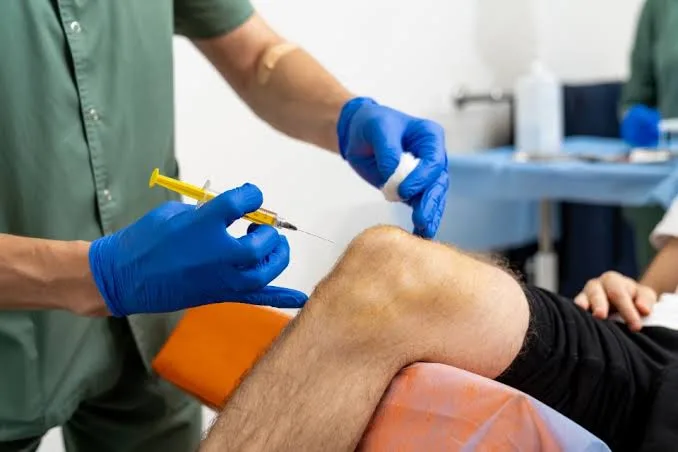
Pain that starts in a nerve behaves differently from pain that starts in a muscle or joint. It can burn, tingle, shoot, or ache in ways that are hard to describe and harder to treat. If you have been searching for options beyond tablets and rest, you may have come across a technique called perineural injection therapy.
So, what is perineural injection therapy, and is it relevant to your situation? This guide explains the basics in plain language: what it is, how it works, when it is used for neurogenic pain, what a session looks like, and what to ask before you book. It is written for educational purposes and is not a substitute for medical advice.
What Is Perineural Injection Therapy?
Perineural injection therapy (PIT) is a technique in which a small amount of injectable solution is placed just under the skin, close to superficial nerves. The word "perineural" simply means "around the nerve."
The approach was popularized by New Zealand physician Dr. John Lyftogt, who developed it while working with patients with persistent pain. The most commonly described solution is a low-concentration dextrose (sugar) solution, although practitioners may use other injectable agents depending on their training and local regulations.
Two features set perineural injections apart from many other injection methods:
- They are superficial. The needle usually stays just beneath the skin rather than going deep into tissue.
- They target nerves, not just the painful spot. The aim is to treat the small nerves that run through painful areas, based on the idea that irritated nerves can be a source of ongoing pain.
Understanding Neurogenic Pain
To understand when this therapy is used, it helps to know what neurogenic pain means.
Neurogenic pain is pain that originates from irritation, injury, or abnormal signalling in the nervous system itself. It is closely related to what clinicians call neuropathic pain. Common features include:
- Burning, stabbing, or electric-shock sensations
- Tingling, pins and needles, or numbness
- Sensitivity to light touch
- Pain that seems out of proportion to the original injury
- Pain that lingers long after tissues have healed
Neurogenic pain can be acute (recent onset, such as after an injury) or chronic (lasting months or years). Chronic cases can be especially frustrating because scans often show little that explains the severity of symptoms.
How Do Perineural Injections Work?
The exact mechanism is still being studied, and it is important to be honest about that. The main theory behind perineural injections involves neurogenic inflammation. In this model, irritated nerve endings release chemical signals that cause local inflammation, which in turn keeps the nerves irritated, creating a cycle of pain.
Practitioners propose that placing a small volume of solution near the affected nerves may help calm this cycle and allow the nerves to settle. Other suggested explanations include changes in how nerve endings respond to chemical signals and the influence of the injection on local tissue environment.
These are working hypotheses. Researchers are still investigating how, and how well, the technique works.
When Is Perineural Injection Therapy Used for Neurogenic Pain?
Practitioners may consider perineural injections for a range of nerve-related and soft-tissue pain problems. Examples commonly discussed include:
- Chronic back and neck pain with a nerve-related component
- Sciatica and leg pain that follows a nerve pathway
- Carpal tunnel and wrist or hand nerve irritation
- Tennis elbow and shoulder pain
- Post-surgical or scar-related nerve pain
- Persistent pain after injury, where symptoms remain after tissues have healed
- Neuropathic symptoms such as burning or tingling in the feet or hands
It is typically considered when more conservative options have not helped enough, or as part of a broader plan alongside physiotherapy, exercise, and medical care. It is not a first-line answer for every type of pain, and it is not suitable for emergencies such as sudden weakness, loss of bladder or bowel control, or severe unexplained pain. Those need urgent medical attention.
Perineural Injection Therapy vs. Neural Therapy: What Is the Difference?
The two terms sound similar, and people often confuse them. Both involve injections aimed at the nervous system, but they come from different traditions.
Perineural injection therapyNeural therapyOriginDeveloped by Dr. John Lyftogt (New Zealand)Developed by the Huneke brothers (Germany)Typical solutionLow-concentration dextroseLocal anesthetic, usually procaineInjection depthSuperficial, along small nervesVaries: skin, scars, trigger points, gangliaGuiding ideaCalming irritated nerves and neurogenic inflammationTreating interference fields and regulating the autonomic nervous systemA neural therapy injection is typically chosen based on a whole-body assessment, including scars, dental history, and past illnesses. Perineural injections tend to focus on the painful region and the nerves running through it. Some clinics offer both, which is why you may see them discussed together.
What to Expect During a Session
While every practitioner works a little differently, a typical visit looks like this:
- Consultation and history. Your practitioner asks about your pain, past injuries, surgeries, medications, and general health.
- Physical examination. They check the painful area, often feeling for tender spots along nerve pathways.
- Mapping the injection points. Tender areas are identified and marked.
- The injections. A very fine needle is used to place small amounts of solution just under the skin. Many people describe a brief stinging or pressure sensation.
- Aftercare advice. You may be asked to stay active within comfortable limits and to report any unusual reactions.
Sessions are often repeated at intervals, and the number of treatments varies from person to person. Your practitioner should be able to explain what a realistic plan looks like and when to reassess if you are not improving.
What Does the Evidence Say?
This is the part many articles skip, so it deserves a clear answer: the research is promising but still limited.
Published work includes case series, observational reports, and a small number of controlled studies on dextrose injections in conditions such as nerve entrapment and joint pain. Some show encouraging results, but sample sizes are often small, and many studies are not blinded. Larger, well-designed trials are needed before firm conclusions can be drawn.
What this means for you: perineural injections may be worth discussing as part of a wider plan, but anyone claiming guaranteed results is overstating what the science currently supports.
Safety, Risks, and Who Should Be Cautious
When performed by a trained professional using sterile technique, perineural injections are generally considered low-risk because the injections are superficial and the volumes are small. Possible side effects include:
- Temporary soreness, redness, or bruising at injection sites
- Mild swelling
- A short-lived flare of symptoms after treatment
- Rarely, infection or an allergic reaction
Speak with your doctor first if you:
- Have a bleeding disorder or take blood thinners
- Have diabetes (dextrose-based solutions may need discussion)
- Have an active skin infection near the treatment area
- Are pregnant or breastfeeding
- Have a known allergy to any injectable ingredient
How to Choose Qualified Neural Therapy Providers
The person holding the needle matters as much as the technique. When searching for neural therapy providers or practitioners who offer perineural injections, look for:
- Proper licensure. In most places, injections should be performed by licensed medical professionals such as physicians, osteopaths, naturopathic doctors, or other clinicians permitted to inject in your region.
- Specific training. Ask which courses or mentors they trained with and how long they have been using the technique.
- A thorough assessment. A good practitioner takes a detailed history and examines you before treating.
- Clear communication. They should explain what they are injecting, why, the risks, and the alternatives.
- Realistic promises. Be cautious of anyone who guarantees a cure or pressures you into a large prepaid package.
Questions worth asking at your first visit:
- What solution do you use, and why?
- How many sessions do you usually recommend for a problem like mine?
- How will we measure whether it is working?
- What happens if I do not improve?
- Will you coordinate with my doctor or physiotherapist?
Frequently Asked Questions
What is perineural injection therapy in simple terms?
It is a technique where small amounts of solution, often dextrose, are injected just under the skin near superficial nerves to help ease nerve-related pain.
Are perineural injections painful?
Most people report brief stinging or pressure. The needles are very fine and the injections are shallow, so discomfort is usually short-lived.
How many sessions are needed?
It varies depending on the condition, how long it has been present, and how you respond. Your practitioner should give you a clear plan and review progress along the way.
Is a neural therapy injection the same as a perineural injection?
No. Neural therapy typically uses local anesthetic such as procaine and follows the Huneke tradition, while perineural injection therapy usually uses dextrose and focuses on superficial nerves in the painful area. They are related in spirit but are different techniques.
Can perineural injections replace standard medical care?
No. They are best viewed as a possible addition to a broader plan. Always get a proper diagnosis, especially for new, severe, or worsening symptoms.
Key Takeaways
- Perineural injection therapy involves superficial injections near nerves, most often using a low-concentration dextrose solution.
- It is used for acute and chronic neurogenic pain, particularly when symptoms follow a nerve pathway or persist after healing.
- It differs from neural therapy in origin, solution, and approach, although both work with the nervous system.
- The evidence is encouraging but limited, so balanced expectations are essential.
- Choose licensed, well-trained neural therapy providers who explain risks and avoid exaggerated promises.
Learn More
If you want to keep exploring, visit Learn Neural Therapy for educational guides on neural therapy, injection techniques, and what to look for in a practitioner.