

Jaundice in newborn babies is a yellow discoloration of skin and eyes, which is usually harmless. This infant jaundice is a common condition in babies born before 38 weeks and has an excess amount of bilirubin in the blood. In case of severe jaundice, the risk may increase in newborn babies, causing various other health complications.
Other Symptoms of Newborn jaundice:
Some of the other symptoms that show up in neonatal jaundice are:
- You can observe dark and yellow urine whereas the general newborn urine must be colorless.
- The newborn poo is mostly yellow or orange in color whereas, in neonatal jaundice, you may observe a pale colored poo.
- You may observe the jaundice symptoms in newborn babies after the 2 days or birth which gradually decrease over time, mostly in 2 weeks time.
Usually, a neonatologist examines the baby after the 72 hours of birth and finds out the physical condition and if the baby is having jaundice or not. In case, if the baby develops jaundice a day or 2, you can consult the doctor for appropriate care and treatment.
Causes of Jaundice in Neonates
Jaundice may be caused when the bilirubin is high in the baby's blood. It is a yellow substance that is produced when the Oxygen carrying blood cells in the body break down. The condition may also occur when the newborn baby's liver is not fully developed so it might not be able to remove the bilirubin in the blood effectively as it normally does.
Complications in Babies Due to Jaundice
Most of the time, jaundice in neonates is harmless and may not add any major complications. In case of the severe jaundice conditions, the possible risk can be brain damage and at times that may result in hearing loss, vision issues, uncontrolled body movements, improper tooth development, and others.
Treatment Options of Neonatal Jaundice
In 72 hours of birth, all babies are generally checked by a Neonatologist for all health conditions. If the doctor suspects any jaundice, then the specialist performs the tests such as:
Physical examination: The doctor checks the baby’s body, and eyes to identify jaundice.
Blood test: To identify the bilirubin, is the best way. The specialist collects the blood from the baby and performs the test.
Skin test: In some cases, the neonate may also use a device to identify the bilirubin levels. They usually place it on the baby’s forehead and see the reflection of a special light.
Treatment:
Most of the time, jaundice doesn’t need treatment as that automatically gets better after a few days incase the condition is not getting better and the bilirubin count is the same then the specialist may refer to the following treatment, such as:
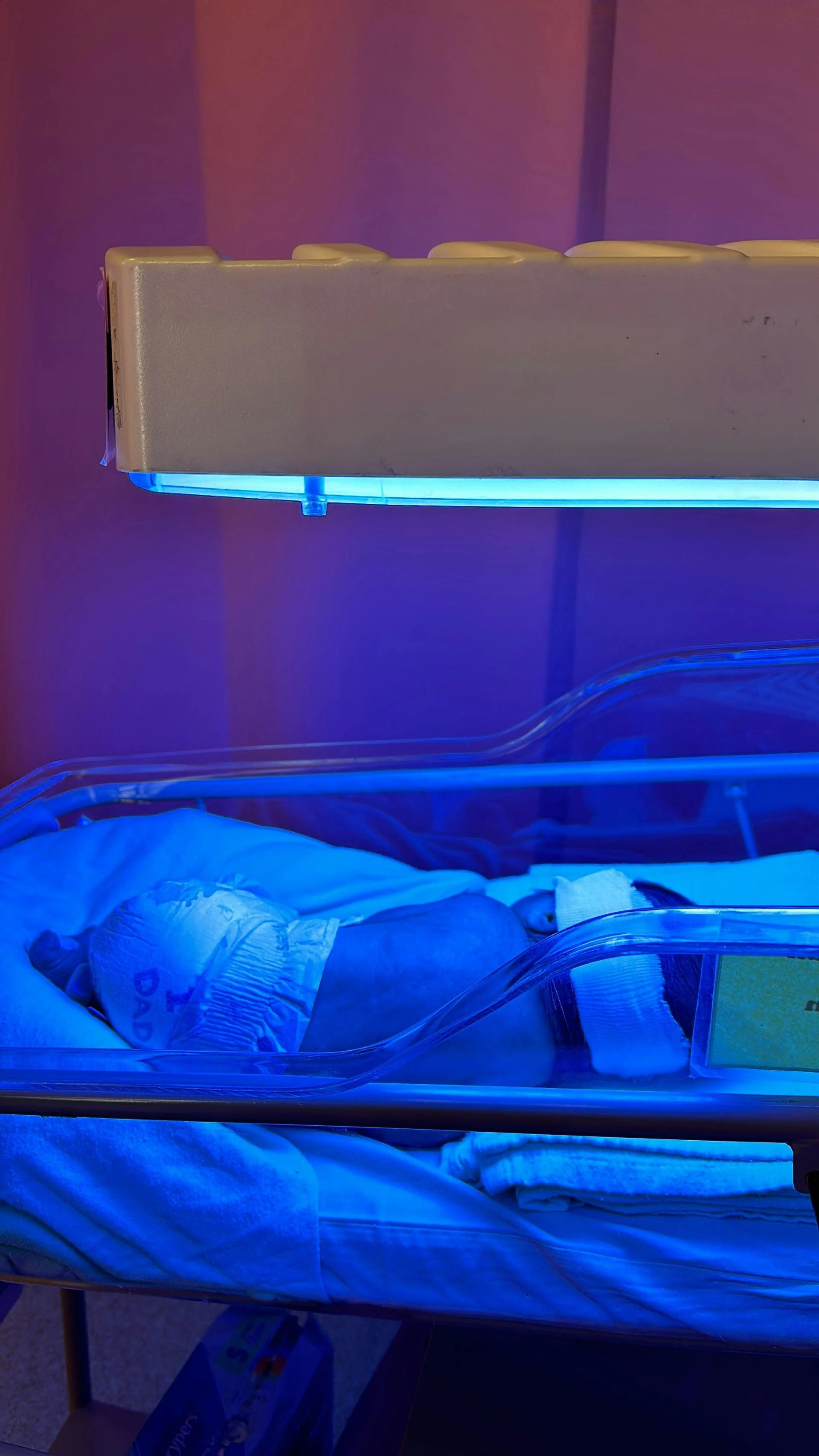
Phototherapy treatment: The baby is placed under a special light to get the baby's bilirubin to get out of the body through the urine.
Intravenous immunoglobulin: If the baby and you have different blood types then the specialist may choose to give blood protein through the vein which will help to treat jaundice in the baby.
Jaundice can be severe and harmful if left untreated and so it is suggested to consult the best neonatologist in Hyderabad when you observe any changes in babies, eye or skin color as this can help your baby get required treatment without delay.