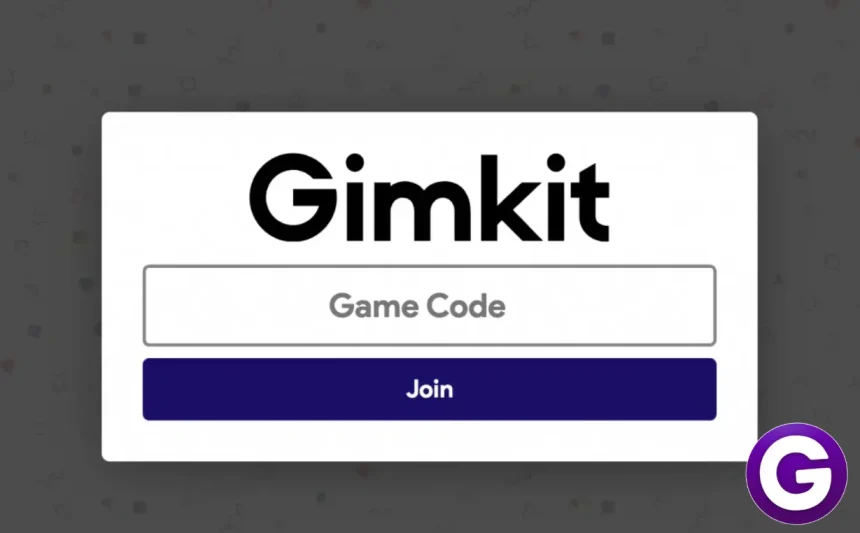
In recent years, education has witnessed a surge in innovative tools designed to enhance student engagement and retention. Among these, Gimkit has rapidly risen as a favorite among educators and students alike. Combining gamification with real-time assessment, Gimkit transforms traditional classroom activities into dynamic, interactive experiences that promote learning through play. This article explores the origins of Gimkit, how it works, its key features, and its impact on modern education.
The Origins of Gimkit
Gimkit was created by Josh Feinsilber, a high school student who noticed a lack of engaging tools for review and formative assessment in his own classroom. Inspired by platforms like Kahoot! and Quizlet Live, Feinsilber set out to create something more personalized, strategic, and customizable. The result was Gimkit—launched in 2017—which quickly gained traction in schools across the U.S. and beyond.
What makes Gimkit particularly unique is its origin story. Unlike many edtech startups developed by adults with business backgrounds, Gimkit Join was built from the ground up by a student for students. This insider perspective helped shape a tool that feels intuitive, fun, and tailored to real classroom dynamics.
How Gimkit Works
At its core, Gimkit is a quiz-based learning game, but it introduces several layers of strategy that distinguish it from similar platforms:
- Kit Creation: Teachers or students can create “kits” (question sets) on any topic. These can include multiple-choice, text input, and other formats. Kits can be created from scratch, imported from a spreadsheet, or modified from existing ones in the Gimkit library.
- Game Modes: Gimkit offers a wide variety of game modes. Some are collaborative, others competitive. Popular modes include:
- Classic: Students earn virtual money for each correct answer and can use it to buy power-ups or sabotage competitors.
- Trust No One: A social deduction game inspired by “Among Us,” where students complete tasks while identifying imposters.
- Draw That!: A Pictionary-style mode where students draw and guess terms.
- Fishtopia: A fishing simulation where students catch fish and sell them to upgrade gear.
- Live & Assignments: Teachers can host live games in class or assign kits as homework. The assigned mode lets students work through questions at their own pace.
- Feedback and Reports: Gimkit Host provides real-time analytics and post-game reports. Teachers can identify which students struggled, which questions were frequently missed, and more.
Gamification Features
Gimkit’s strength lies in its gamification mechanics, which keep students engaged and make learning feel like a game rather than a test. Some of these features include:
- Virtual Currency: Students earn (and sometimes lose) virtual money based on performance. This currency can be used for in-game upgrades like “streak bonuses” or “insurance.”
- Power-Ups and Strategies: Students must decide how to spend their money—should they boost their income per question, buy shields, or invest in multipliers? This strategic layer keeps the game mentally stimulating.
- Custom Avatars and Skins: As in video games, players can customize their avatars, which adds another layer of personalization.
Benefits of Gimkit in Education
Educators have embraced Gimkit not just because it’s fun, but because it delivers tangible academic benefits. Here’s how:
1. Increased Engagement
Gimkit turns passive learners into active participants. The game-like environment motivates even reluctant students to join in.
2. Formative Assessment
Teachers receive real-time feedback on student performance, making it easier to identify learning gaps and adjust instruction accordingly.
3. Retention and Mastery
Repetition, immediate feedback, and engagement help students retain information better. Plus, since kits can be replayed, students can review as often as needed.
4. Student Autonomy
With assignment mode and strategic gameplay, students take more responsibility for their learning process. They learn not just answers, but how to make decisions and solve problems under pressure.
5. Accessibility
Gimkit is accessible from any device with a browser, and no student account is needed to play, making it easy to integrate into any classroom.
Pricing and Plans
Gimkit offers both free and premium plans:
- Free Plan: Limited access to certain game modes and fewer customizations.
- Gimkit Pro: Includes all game modes, advanced reporting, and priority support. This plan is available through a monthly or annual subscription.
The Pro plan is often seen as a worthwhile investment by educators who use the platform regularly.
Drawbacks and Limitations
No tool is without flaws. Some potential drawbacks of Gimkit include:
- Overstimulation: The fast-paced, competitive environment may be overwhelming for some students.
- Limited Content Types: While question types are expanding, it’s still focused mainly on short-answer or multiple-choice formats.
- Requires Internet Access: Gimkit is fully web-based, which can be a challenge in areas with limited connectivity.
The Future of Gimkit
Gimkit continues to evolve with new game modes, collaboration tools, and curriculum-aligned content. In 2024 and 2025, they introduced immersive experiences and seasonal events, further solidifying its place in classrooms around the world. As AI and adaptive learning become more integrated into education, it’s likely Gimkit will continue to adapt—perhaps by introducing AI-powered content suggestions or personalized game paths.
Conclusion
In a world where attention is a scarce commodity, especially in classrooms, platforms like Gimkit are not just useful—they're essential. By turning review and assessment into something students want to do, Gimkit bridges the gap between fun and function. Whether you’re a teacher looking to liven up your lessons or a student hoping for a more engaging way to study, Gimkit offers an exciting, effective solution.