When people hear about colon cancer, one of the first questions that comes to mind is what is colon cancer and how it develops inside the body. This condition does not appear suddenly. It grows slowly over time, and in many cases, early signs are not clearly noticeable. Because of this, many people continue their daily routine for years without realizing anything is wrong.
That is why understanding how colon cancer begins is so important, along with being aware of cancer treatment options. The colon, a part of the large intestine, plays an essential role in digestion. When abnormal cells start forming in its lining, they can gradually develop into cancer if not detected early. Often, small growths called polyps appear first, and over time, some of these may turn cancerous.
By being aware of early changes, possible causes, and risk factors for colon cancer, you can take better care of your health and recognize when cancer treatment may be necessary. This blog explains everything in a simple and clear way, helping you stay informed and make better health decisions.
What is Colon Cancer?
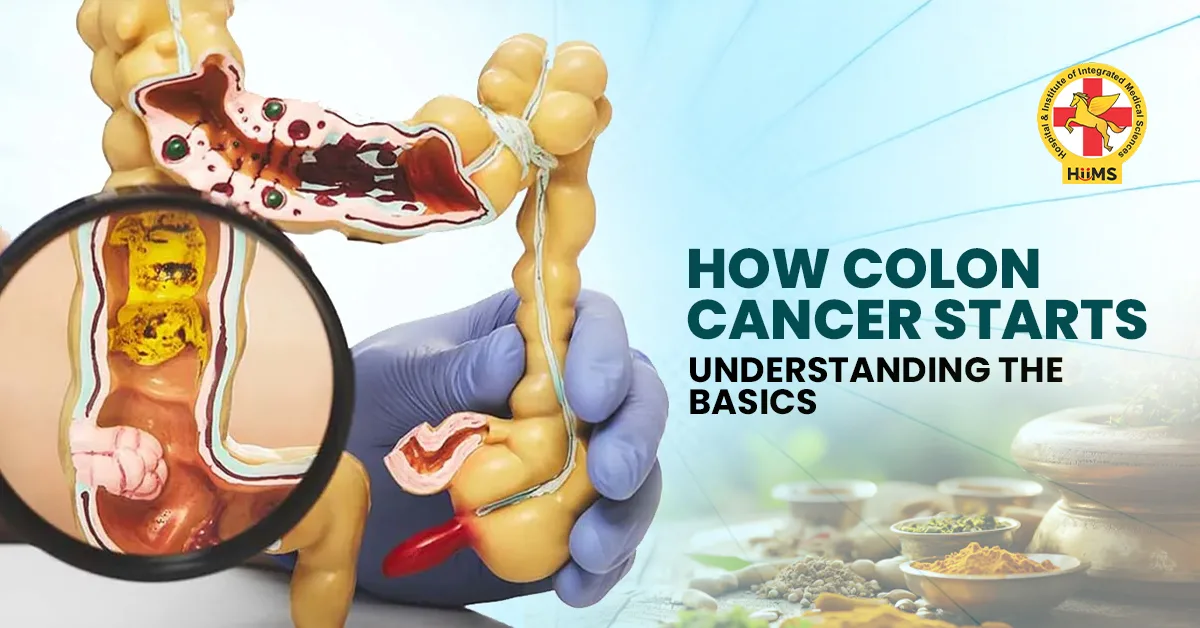
Colon cancer is a condition where abnormal cells grow in the large intestine. It often begins as small growths called polyps that form on the inner lining of the colon.
Not all polyps are harmful, but some may slowly turn into cancer over time. This process usually takes years, which makes early awareness and screening very important.
How Colon Cancer Starts
To understand How Colon Cancer Starts, it is important to know how cells behave. Normally, cells grow and die in a balanced way. However, due to certain changes, this process can become irregular.
As a result, cells may start growing uncontrollably and form polyps. Over time, some of these polyps may develop into cancer if they are not detected early.
What Causes Colon Cancer in Early Stages
Many people wonder What causes colon cancer in early stages. The causes are usually internal and develop slowly without clear symptoms.
Some common causes include:
- Changes in DNA of colon cells
- Poor eating habits
- Low fibre intake
- Long-term digestive problems
- Inflammation in the colon
These factors can gradually affect colon health.
Risk Factors for Colon Cancer
There are several Risk factors for colon cancer that can increase the chances of developing this condition:
- Age above 45 years
- Family history of colon cancer
- Diet high in processed foods
- Lack of physical activity
- Smoking and alcohol use
These factors do not guarantee cancer, but they increase the risk over time.
Early Signs You Should Not Ignore
Although colon cancer develops slowly, some early signs may appear:
- Changes in bowel habits
- Blood in stool
- Constant stomach discomfort
- Unexplained weight loss
- Feeling tired without a clear reason
These signs should not be ignored, even if they seem mild.
Lifestyle and Prevention
Daily habits play a big role in colon health. Eating a balanced diet with fruits, vegetables, and whole grains helps improve digestion. Regular physical activity also supports a healthy digestive system.
Avoiding processed foods, smoking, and excessive alcohol can reduce risk.
Conclusion
Gaining a proper understanding of what is colon cancer and how it begins can truly help you stay one step ahead. It enables you to recognize early changes in your body, understand the initial stages, and respond before the condition advances.
When you are aware of the causes of colon cancer in early stages and the related risk factors, it becomes easier to make healthier and more conscious lifestyle choices. Along with modern medical care, natural approaches like Ayurveda can also support overall balance and well-being.
Hospitals like Jeena Sikho HiiMS follow a holistic approach that focuses on the complete health of the body rather than just the condition. Staying informed and acting at the right time can make a meaningful difference in your health journey. Book an appointment.