
Health awareness plays an important role in preventing serious conditions. One question many people ask today is what is cervical cancer and how it affects the body. The condition is more common than many realise, yet it is often misunderstood.
Cervical cancer does not appear suddenly. It develops slowly over time, often without noticeable symptoms in the early stages. This is why understanding how it begins, what causes it, and what signs to look for becomes very important. With the right awareness, early detection and timely care become possible.
What is Cervical Cancer?
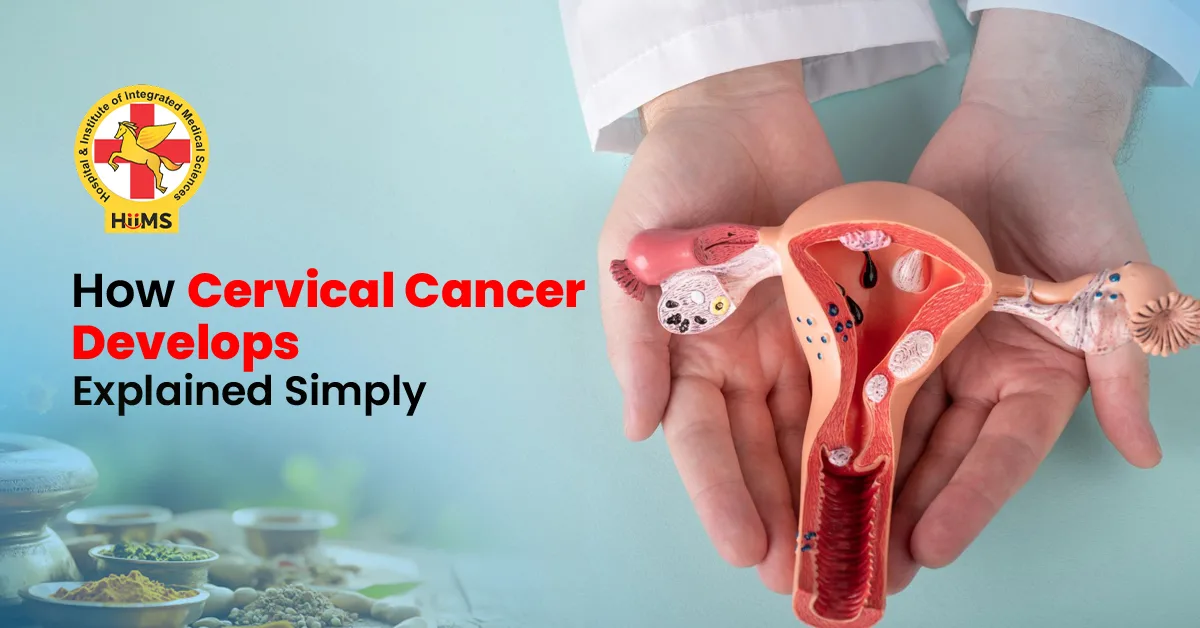
To explain in simple words, what is cervical cancer, it is a condition where abnormal cells start growing in the cervix. The cervix is the lower part of the uterus that connects to the vagina. These abnormal cells do not grow in a controlled way and may form a tumour over time.
In many cases, cervical cancer is linked to HPV (Human Papillomavirus). This virus is quite common and can stay in the body for years without causing any noticeable symptoms. Slowly, it starts affecting the healthy cells of the cervix.
Understanding what is cervical cancer helps in realising that this condition develops gradually, giving enough time for early identification and care.
How Cervical Cancer Develops Step by Step
Cervical cancer follows a gradual process rather than developing suddenly. Here is how it usually progresses:
- HPV Infection Begins
The process often starts with HPV infection, which may not show immediate symptoms. - Infection Remains in the Body
In some cases, the immune system clears the virus. However, if it stays in the body, it begins affecting the cells. - Damage to Healthy Cells
Over time, the virus starts damaging the DNA of healthy cervical cells. - Formation of Abnormal Cells (Dysplasia)
Cells begin to change and become abnormal. At this stage, it is not yet cancer. - Progression to Cancer
If these abnormal cells are not managed, they may develop into cancer over several years.
This slow development highlights why knowing what is cervical cancer is important for early action.
Cervical Cancer Causes and Risk Factors
Understanding the causes helps in reducing the risk. Some of the common causes and contributing factors include:
- Long-term HPV infection
- Weak immune system
- Smoking habits
- Poor lifestyle and diet
- Lack of regular health checkups
These factors can disturb the body’s natural balance and increase the chances of abnormal cell growth.
Cervical Cancer Symptoms You Should Notice
One of the challenges with cervical cancer is that early symptoms may not be very clear. However, as the condition progresses, some signs may appear:
- Unusual bleeding between periods or after menopause
- Pain or discomfort in the pelvic area
- Feeling tired or weak without a clear reason
- Changes in normal body patterns
These symptoms may not always indicate cervical cancer, but they should not be ignored.
Importance of Early Detection
Early detection plays a key role in managing cervical cancer effectively. Since the condition develops slowly, regular checkups and awareness can help identify changes at an early stage.
Understanding what is cervical cancer allows individuals to recognise symptoms and seek medical advice before the condition progresses further.
Holistic Approach at Jeena Sikho HIIMS
At Jeena Sikho HIIMS, the focus is on supporting the body through natural and holistic methods. Instead of only addressing symptoms, the approach aims to improve overall internal health.
Some of the key therapies include:
Panchakarma
This therapy helps remove toxins from the body and improves digestion and circulation.
Detox Support
Natural detox methods help cleanse the body internally and improve energy levels.
Herbal Support
Herbal formulations are used to strengthen the body and support immunity.
Lifestyle and Diet Correction
Balanced diet and healthy lifestyle habits are encouraged for long-term wellness.
This integrated approach helps the body restore balance and function more effectively.
Why You Should Book an Appointment
Booking an appointment is an important step towards better health. It helps you:
- Understand your condition clearly
- Get personalised treatment guidance
- Start early care and avoid complications
- Receive expert support for your health journey
Taking timely action can make a significant difference in outcomes.
Conclusion
Knowing what is cervical cancer and how it develops can help you stay informed and take control of your health. Since the condition grows slowly, early awareness and proper care can lead to better outcomes.
A balanced approach that includes awareness, early detection, and natural support can improve overall well-being. Listening to your body and seeking guidance at the right time is always the best step forward.