Have you ever felt confused about your career? Do you wonder if you are on the right path? If yes, you need career planning. In this simple guide, we will explain what career planning means, why it matters, and how you can start today.
What Is Career Planning?
Career planning is the process of setting your career goals and making a plan to reach them. It helps you understand your skills, interests, and values. Then it helps you match these things with the right job or career path.
Career planning is not a one-time task. It is an ongoing process. As you grow, your goals may change. So, you need to review your career plan from time to time.
In simple words, career planning means answering these questions:
- Where am I now in my career?
- Where do I want to go?
- How can I get there?
Why Is Career Planning Important?
Many people choose a job without much thought. Later, they feel stuck or unhappy. This happens because they never had a clear career plan. Here are some reasons why career planning is important:
1. It Gives You Direction
Career planning gives you a clear path to follow. You know what steps to take next. This saves time and reduces confusion.
2. It Helps You Set Realistic Goals
When you plan your career, you set goals that match your skills and interests. This makes your goals easier to achieve.
3. It Improves Job Satisfaction
People who follow a career plan often feel more satisfied with their jobs. This is because they are doing work that fits their strengths and passions.
4. It Prepares You for Changes
The job market changes fast. New skills are needed every year. Career planning helps you stay ready for these changes.
5. It Boosts Confidence
When you have a clear plan, you feel more confident. You know your next steps, so you face challenges with a calm mind.
Steps in Career Planning
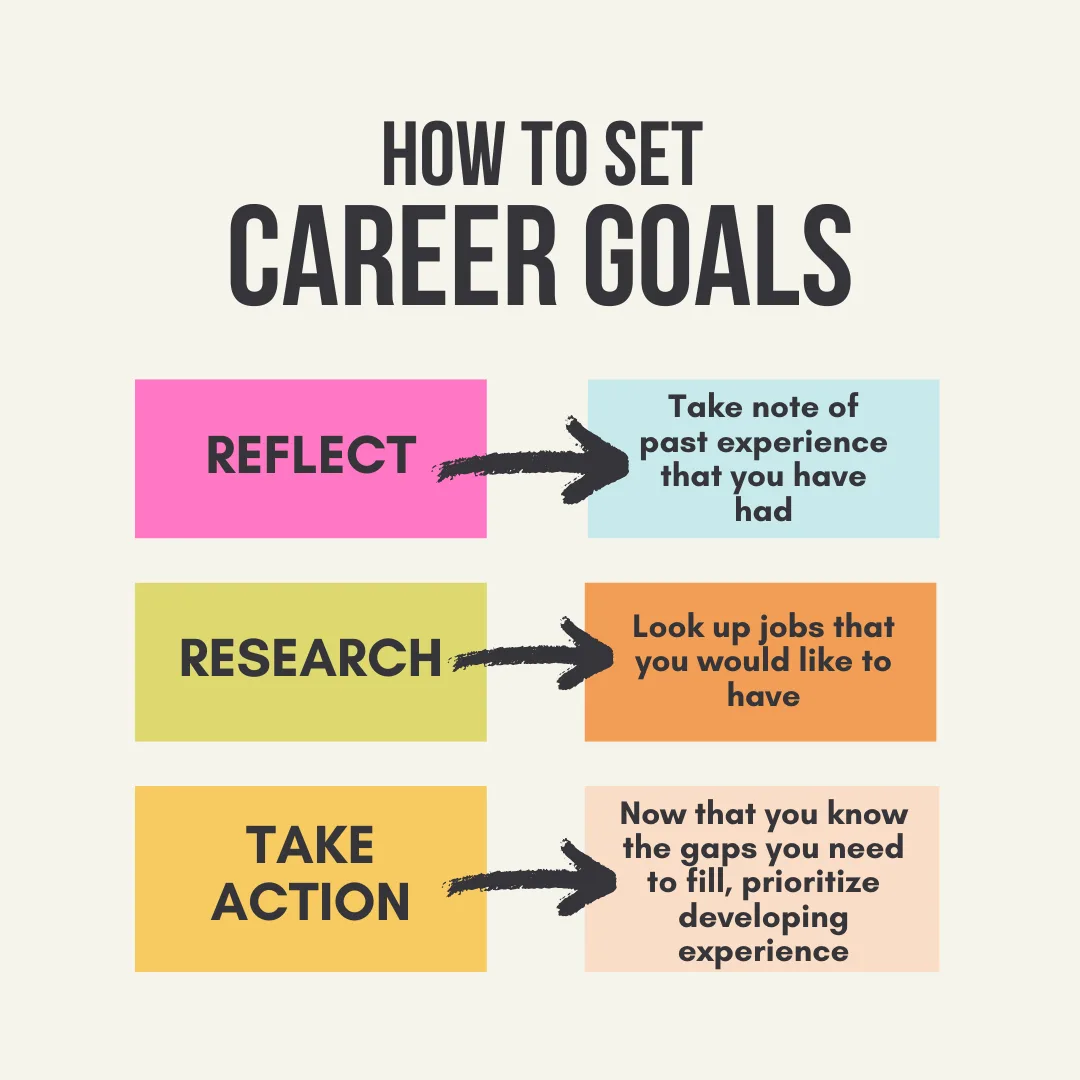
Career planning may sound complex, but it is simple if you break it into steps. Here is an easy step-by-step guide.
Step 1: Know Yourself
Start by understanding your skills, interests, and values. Ask yourself:
What am I good at?
What do I enjoy doing?
What matters most to me in a job (money, growth, work-life balance)?
You can also take career assessment tests. These tests help you find jobs that suit your personality.
Step 2: Explore Career Options
Once you know your strengths, look at different career options. Research different jobs and industries. Talk to people who work in fields you like. Read about the skills and education needed for these jobs.
Step 3: Set Clear Goals
Now, set short-term and long-term career goals. Short-term goals may take a few months to a year. Long-term goals may take five years or more.
For example:
Short-term goal: Learn a new skill in six months.
Long-term goal: Become a team leader in five years.
Make sure your goals are clear and realistic. Use the SMART method: Specific, Measurable, Achievable, Relevant, and Time-bound.
Step 4: Make an Action Plan
An action plan is a list of steps you need to take to reach your goals. This may include:
Taking a course or certification
Building a stronger resume
Networking with professionals
Applying for internships or new jobs
Step 5: Take Action
A plan is useless without action. Start working on your action plan. Take small steps every day. Progress may be slow, but consistency matters most.
Step 6: Review and Adjust
Career planning is not fixed. Life changes, and so do goals. Review your plan every few months. See what is working and what is not. Adjust your goals if needed.
Common Mistakes to Avoid in Career Planning
Not setting clear goals: Vague goals lead to confusion.
Ignoring your interests: Choosing a career only for money can lead to unhappiness.
Not updating skills: Skills become outdated fast. Keep learning.
Fear of change: Many people stay in the wrong job because they fear change. Be brave and take small steps toward better options.
Tips for Better Career Planning
Talk to a career counselor if you feel confused.
Follow people in your field of interest on LinkedIn.
Read books and articles about career growth.
Attend workshops and webinars.
Build a strong professional network.
Final Thoughts
Career planning is not just for students. It is useful for everyone, at every stage of life. Whether you are starting your first job or thinking of a career change, a good career plan can guide you.
Start small. Know yourself, set clear goals, and take action. Review your plan often and stay open to change. With the right career planning, you can build a career that brings you success and happiness.
Remember, the best time to start career planning is now. Take the first step today, and your future self will thank you.
For More information visit : https://topcareerguide.net/