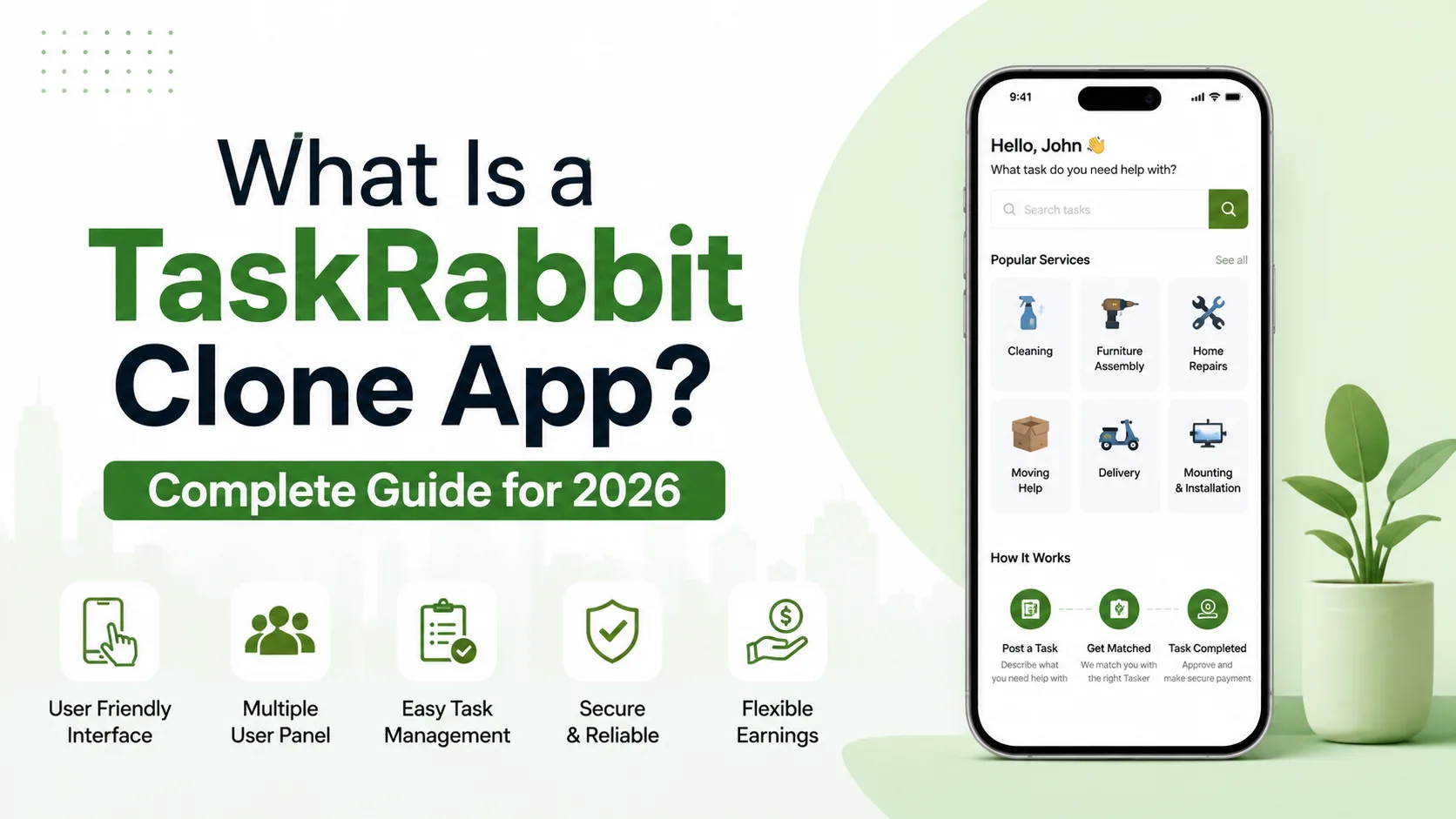
In recent years, the gig economy has transformed the way people access services, and TaskRabbit has emerged as a leader in this space, connecting users with local freelancers for various tasks. As demand continues to grow, many entrepreneurs are exploring the potential of creating a TaskRabbit clone app to tap into this lucrative market. A TaskRabbit clone app not only replicates the essential features of the original platform but also allows for customization to cater to specific user needs or local markets. This complete guide for 2026 delves into the intricacies of TaskRabbit clone apps, exploring their key features, development processes, monetization strategies, and future trends, providing a comprehensive resource for anyone looking to enter this dynamic industry.
Introduction to TaskRabbit Clone Apps
What is a TaskRabbit Clone App?
A TaskRabbit Clone App is essentially a digital matchmaker for everyday tasks, connecting people who need help with those willing to lend a hand. Picture a superhero in an app—minus the cape. Whether it's assembling IKEA furniture or walking your dog, these apps allow users to post tasks and then sit back while skilled "Taskers" swoop in to save the day. They mimic the functionalities of platforms like TaskRabbit but can be customized to fit various niches or local markets.
Purpose and Market Demand
The purpose of a TaskRabbit Clone App is straightforward: to create a seamless platform for gig work and service exchanges. In our fast-paced world, convenience is king, and the demand for quick, reliable services has exploded. With more people embracing the gig economy, this app caters to busy bees who prefer spending their time on Netflix instead of home repairs. And let’s be honest—who doesn’t want to avoid haggling over tasks?
Key Features of a TaskRabbit Clone App
User Profiles and Authentication
User profiles are the heart and soul of a TaskRabbit Clone App. They allow both Taskers and users to showcase their skills, experience, and ratings—because nothing screams “trustworthy” like a solid five-star rating. Authentication features ensure that users are who they claim to be, keeping the app safe from the dreaded “mystery Tasker” scenario.
Job Listings and Browsing
Job listings and browsing functionalities are crucial for creating a user-friendly experience. This feature acts like a digital bulletin board where users can post tasks and browse available gigs. A well-designed search function ensures that users can filter tasks based on their needs, location, and preferences—kind of like online shopping but for services instead of shoes.
Messaging and Communication Tools
Communication is key in any relationship, and it’s no different for TaskRabbit clone apps. In-app messaging tools allow users and Taskers to chat, negotiate details, and iron out any wrinkles before the big day. No one wants to be surprised when they show up to do a task and discover it involves a pet lizard.
Payment Integration and Security
When it comes to money, security is paramount. TaskRabbit clone apps need robust payment integrations to facilitate smooth transactions, whether it’s credit cards, PayPal, or cryptocurrency (because why not?). Ensuring a secure payment gateway protects users and Taskers alike, leaving them to focus on getting the job done rather than sweating over payment details.
Benefits of Using a TaskRabbit Clone App
Increased Accessibility to Services
One of the biggest benefits of a TaskRabbit Clone App is that it puts services at users' fingertips. Whether it’s cleaning, repairs, or even planning a party, users can connect with local Taskers in a matter of clicks. No more scouring the neighborhood for help—just open the app, and voilà!
Cost-Effectiveness for Users
Cost-effectiveness is another delightful perk. Users can compare prices across different Taskers, ensuring they find the best deal without compromising quality. It’s like a sale at your favorite store, but instead of shoes, you’re snagging a great deal on someone to mow your lawn.
Scalability for Businesses
For entrepreneurs, TaskRabbit clone apps present an opportunity for scalability that’s hard to resist. As demand grows, businesses can easily add features, expand their service areas, or integrate more Taskers. It’s the digital equivalent of opening up a second location, except you don’t need to rent a storefront or worry about inventory.
Development Process for a TaskRabbit Clone
Initial Research and Planning
The first step in creating a TaskRabbit Clone App is thorough research and planning. This involves analyzing competitor apps, identifying target audiences, and understanding market demands. Think of it as laying the groundwork for a well-built house. You wouldn’t start building without a solid foundation, right?
Designing the User Interface (UI)
The user interface (UI) is where all the magic happens. A clean, intuitive design keeps users happy and engaged. Designers focus on creating a visually appealing and user-friendly layout—after all, no one wants an app that looks like it was designed in the ’90s.
Backend Development and Database Setup
Once the UI is set, it’s time for the backend development and database setup. This is where the app’s functionality comes to life. Developers build the server-side components that allow the app to process data and facilitate user interactions. Think of it as the brain of the operation—crucial but often invisible to users.
Testing and Quality Assurance
Finally, you can’t skip over testing and quality assurance. This phase is where developers work out the kinks and ensure everything runs smoothly. A series of tests, including user testing, helps catch bugs and improve the overall user experience—because no one enjoys apps that crash more than their favorite streaming show.
Technology Stack for Building a TaskRabbit Clone
Frontend Technologies
When it comes to the frontend, think of the user experience as your app's shiny packaging. You'll want a tech stack that’s as snazzy as a new smartphone. Common choices include React or Angular for building responsive, dynamic user interfaces. For mobile apps, Flutter and React Native provide a one-size-fits-all solution for both iOS and Android. HTML5 and CSS3 are a must for structure and styling. If the app doesn't look good, no one's going to want to swipe right!
Backend Technologies
Here lies the magic behind the curtain! The backend is what makes the app function smoothly without turning into a hot mess. Node.js is a popular choice thanks to its scalability and real-time capabilities, while Python with Django can make development a breeze. Java and Ruby on Rails are also solid contenders. Choose a backend that can handle user requests like a pro and ensure your app doesn’t crash faster than a poorly executed first date.
Database Management Systems
Your database is like the app's brain, storing all the thoughts (data) that keep it running wisely. SQL databases like PostgreSQL or MySQL are great for structured data, while NoSQL databases like MongoDB can offer flexibility for unstructured data. For a real-time experience, consider Firebase, which can make data syncing smoother than a buttered slide. Just remember, a well-organized brain leads to a well-functioning app!
Hosting and Deployment Options
Hosting is where your app will live, so choose wisely. Services like AWS or Google Cloud offer robust solutions with scalability, which can be handy when your app starts to gain traction. DigitalOcean is a budget-friendly alternative that doesn't skimp on performance. For deployment, using Docker can help keep things tidy, while CI/CD tools like Jenkins or GitHub Actions automate the process. Your app deserves a cozy home—make sure it’s reliable!
Monetization Strategies for TaskRabbit Clone Apps
Commission-Based Model
Ah, the classic commission-based model! It’s like finding a golden goose that lays cash eggs. Charge service providers a commission on each transaction or booking made through your app. This way, you earn money while they do all the legwork. Just be sure to keep your rates reasonable so you don’t scare off the talent—after all, happy workers stick around!
Subscription Plans for Service Providers
Think of this as the VIP club for service providers. Offering subscription tiers can provide steady income while giving providers access to premium features, increased visibility, or reduced commission fees. Different plans for different needs can encourage more service providers to sign up and stay engaged, rather like a gym membership that includes snacks (because who doesn’t love snacks?).
Advertisement and Promotions
Why not let your app work a little harder for you? With targeted advertisements and promotional slots for local businesses, you can turn your platform into an advertising powerhouse. Think of it like a well-placed billboard on a busy street—except this one can be clicked on! Just ensure that the ads are relevant to your audience so they don’t feel like they walked into a store looking for milk and found a display case of whoopee cushions.
Case Studies: Successful TaskRabbit Clone Implementations
Overview of Notable Examples
Let’s take a peek at some shining stars in the TaskRabbit clone galaxy. Apps like Handy, UrbanClap, and Thumbtack have successfully carved out their niches. Handy focuses on home cleaning and repairs, while UrbanClap has made strides by connecting users with local talents for various services. Each of these apps didn’t just replicate; they innovated and adapted to their markets. A bit like a talented chef taking a classic recipe and adding their special touch!
Lessons Learned from Each Case
From these success stories, the key takeaway is that understanding your audience is paramount. Handy learned that customer satisfaction is everything, leading to repeat business. UrbanClap showed us the importance of diverse service offerings to cater to different needs. Meanwhile, Thumbtack emphasized the power of local connections. Each case teaches a valuable lesson: listen to your users, learn from failures, and innovate relentlessly—like a cat trying to impress its owner!
Future Trends in TaskRabbit Clone Apps for 2026
Emerging Technologies Influencing Development
The future is bright and filled with tech innovations just waiting to take your TaskRabbit clone to the next level. AI and machine learning can enhance user experiences through personalized recommendations while chatbots can provide 24/7 customer support without the coffee breaks. Augmented Reality (AR) could also allow users to visualize service outcomes—imagine picking paint colors with AR before hiring someone to do the actual work!
Changing Consumer Behavior and Preferences
With rapid advancements in technology, consumer behaviors are shifting like a chameleon on a rainbow. People are increasingly valuing convenience and efficiency. They want services at their fingertips—literally. Apps that can adapt to these preferences, offering faster, seamless experiences, are likely to dominate the market. Sustainability and ethical practices are also becoming more important, so those who incorporate eco-friendly options might just become the new darlings of the industry.
Potential Market Expansion Opportunities
As the gig economy continues to flourish, there are heaps of untapped markets just waiting to be explored. Think about expanding geographically into underserved regions or diving into niche services that haven’t hit mainstream yet. With the rise of remote work, services catering to home office setups could gain traction. The sky's the limit—just make sure your app has a sturdy rocket ship to take you there!As the gig economy continues to evolve, creating a TaskRabbit clone app presents a promising opportunity for entrepreneurs to meet the growing demand for flexible services. By understanding the key features, development processes, and monetization strategies outlined in this guide, you can position yourself for success in this competitive landscape. Embracing innovative technologies and staying attuned to market trends will be crucial as you navigate the journey of developing your app. With the right approach, your TaskRabbit clone could not only thrive but also significantly impact the way people connect and collaborate in their communities.
Frequently Asked Questions (FAQs)
What is the average cost to develop a TaskRabbit clone app?
The cost of developing a TaskRabbit clone app can vary widely depending on factors such as the complexity of features, technology stack, and the location of the development team. On average, it can range from $20,000 to $100,000 or more.
How long does it take to develop a TaskRabbit clone app?
The development timeline for a TaskRabbit clone app typically ranges from 3 to 6 months. However, this timeframe can change based on the app's complexity, the size of the development team, and the efficiency of the project management process.
Are there any legal considerations when creating a TaskRabbit clone app?
Yes, it is essential to consider legal aspects such as copyright and trademark issues, user privacy policies, and compliance with local regulations governing gig economy platforms. Consulting with a legal expert can help navigate these challenges effectively.
What marketing strategies should I use for my TaskRabbit clone app?
Effective marketing strategies include leveraging social media advertising, content marketing, partnerships with local businesses, and utilizing app store optimization (ASO) techniques. Building a strong online presence and engaging with potential users can significantly enhance your app's visibility and user acquisition.