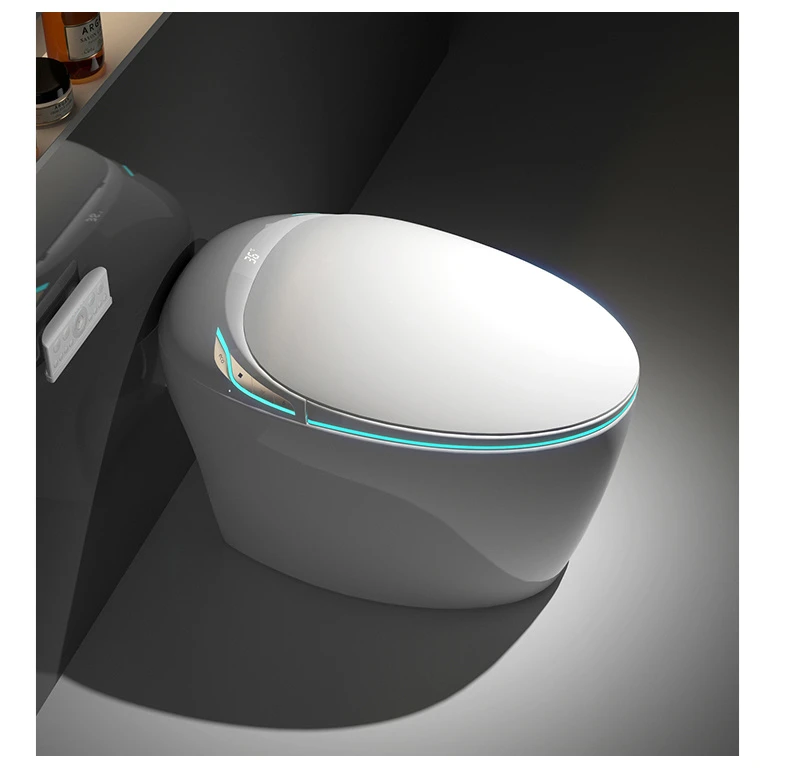
A smart toilet is an advanced bathroom fixture, with features such as automatic flushing, bidet functions, heated seats and remote controls, designed to optimize comfort, hygiene and convenience.
Smart toilets are designed to provide a more personalized and comfortable bathroom experience, while also promoting better hygiene. The transition from traditional to smart toilets marks a significant shift in our perception of bathroom design and functionality.
What Does a Smart Toilet Do?
A smart toilet offers various functionalities, such as self-cleaning, remote control operation, bidet features, heated seats, deodorization, and night lighting, providing a personalized and comfortable bathroom experience.
The inner workings of a smart toilet are a fascinating fusion of engineering and technology. At their core, these toilets feature a sophisticated system of sensors and electronic components that work in harmony to deliver the desired functionalities.
Self-Cleaning Features
One of the most appealing features of a smart toilet is its self-cleaning capability. Many smart toilets are equipped with a self-cleaning nozzle for enhanced hygiene and automatic cleaning systems that use UV light or electrolyzed water to disinfect the bowl after each use.
This reduces the need for harsh chemical cleaners and ensures a more sanitary environment.
Remote Control Features
Smart toilets typically include a remote control or smartphone app that allows users to personalize their experience.
From adjusting the bidet water pressure to setting the seat temperature, the remote control features offer a high level of convenience and customization.
Automatic Lid and Automatic Drain
With an automatic lid, the toilet opens and closes without physical contact, offering a completely touchless experience. Smart toilets are equipped with sensors that detect when you stand up, triggering an automatic flush.
Bidet Function
Bidets have been a popular feature in many parts of the world, and smart toilets take this functionality to the next level.
With adjustable water pressure, temperature, and even oscillating sprayers, a smart toilet's bidet function ensures a complete and comfortable cleaning experience.
Heated Seats
For those chilly mornings, heated seats are a welcome feature in many smart toilets. Users can adjust their preferred temperature, ensuring a comfortable experience every time they use the toilet.
How to Clean a Smart Toilet
Keeping a smart toilet clean is essential to ensure its longevity and proper functioning. Although many smart toilets have self-cleaning features, regular manual cleaning is still necessary.
Exterior Cleaning
To clean the exterior, use a soft cloth and a non-abrasive cleaner. Gently wipe the surface to remove dust, stains, or marks.
Avoid using harsh chemicals that could damage the finish or affect the toilet's sensors.
Interior Cleaning
The inside of the bowl can be cleaned using a toilet brush and a mild cleaner. For models with a self-cleaning function, you can simply activate it.
However, occasional manual cleaning is recommended to ensure complete disinfection.
Maintenance of Sensors and Electronic Components
Smart toilets are equipped with various sensors and electronic components that must be kept clean and dry.
Use a dry cloth to carefully clean any sensors, and be careful not to expose them to excessive moisture. Regularly consult the user manual for specific maintenance instructions for your model.
Are Smart Toilets Worth It?
Investing in a smart toilet is a decision that depends on individual needs, preferences, and budget.
Cost vs. Benefit Analysis
Smart toilets offer numerous benefits, including improved hygiene, comfort, and convenience. Features such as bidets, heated seats, and self-cleaning functions can significantly enhance your daily routine.
In addition, the water-saving capabilities of smart toilets can reduce utility bills over time. However, these benefits come at a cost, and it's crucial to consider whether the price aligns with your budget and needs.
User Experiences
For some, the comfort and luxury justify the higher price. However, others may find the extra features unnecessary, especially if they are satisfied with a traditional toilet.
Environmental Impact
Smart toilets are designed with sustainability in mind. Their water-saving features, such as dual-flush systems, can significantly reduce water consumption.
This not only benefits the environment but also helps reduce water bills. If environmental impact is a priority for you, a smart toilet can be a worthwhile investment.
Possible Disadvantages
While smart toilets offer many benefits, there are also potential drawbacks to consider:
- Cost: Smart toilets are significantly more expensive than traditional toilets, both in terms of initial price and installation costs.
- Maintenance: The advanced features of a smart toilet may require more maintenance and occasional repairs.
- Learning Curve: Some users may find the functions and controls somewhat complicated at first.
In short, smart toilets are worthwhile for those who value enhanced hygiene, comfort, and convenience. They offer long-term benefits, including water savings and an improved bathroom experience, although they do come with a higher initial cost.