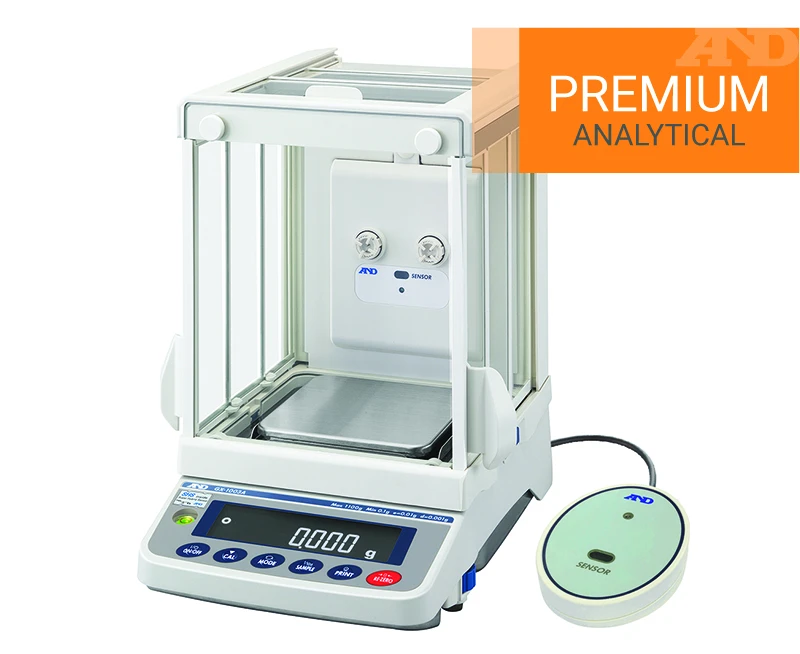
In laboratories where extreme precision is not just desired but essential, the microgram balance plays a vital role. From pharmaceutical testing and forensic science to advanced chemistry and nanotechnology research, this ultra-sensitive instrument enables accurate weighing at the microgram (µg) level. But what exactly is a microgram balance, and how does it work?
Understanding the Basics: What Is a Microgram?
Before diving into the workings of a microgram balance, it’s important to understand what a microgram represents. One microgram is one-millionth of a gram (0.000001g or 1 µg). This minuscule unit of mass requires exceptionally sensitive instrumentation to detect and measure accurately.
Standard laboratory balances, such as analytical or precision balances, can typically measure down to milligrams or tenths of milligrams. However, for measurements in the microgram range, a microgram balance—also referred to as an ultra-micro balance—is required.
What Is a Microgram Balance?
A microgram balance is a highly sensitive weighing instrument capable of measuring tiny mass changes in the microgram range. These balances can often detect changes as small as 0.1 µg, making them ideal for tasks that demand the highest levels of accuracy and precision.
Microgram balances are generally used in controlled environments such as cleanrooms or laboratories due to their sensitivity to air currents, vibrations, and temperature changes.
Key Features of Microgram Balances:
- Readability: Typically ranges from 0.1 µg to 1 µg.
- Weighing Capacity: Usually lower than standard balances (often below 10 grams).
- Built-in Damping Systems: To minimize the effect of vibrations.
- Draft Shields: To protect against air currents.
- Advanced Calibration: Often includes internal and external calibration options.
- Anti-static Technologies: Prevents static charges from interfering with readings.
How Does a Microgram Balance Work?
Microgram balances are a subset of electronic balances that use electromagnetic force restoration (EMFR) technology. Let’s take a closer look at how this technology enables such precise measurement.
1. Electromagnetic Force Restoration (EMFR)
At the core of most microgram balances is the EMFR system. Here’s how it works:
- The sample is placed on a weighing pan, which is connected to a coil suspended in a magnetic field.
- As the weight of the sample pushes down on the pan, the coil is displaced.
- A feedback system applies an electromagnetic force to restore the coil to its original position.
- The amount of electromagnetic force needed to bring the coil back to equilibrium is directly proportional to the mass of the sample.
- This force is then converted into a digital reading.
This method allows the balance to detect incredibly small changes in mass with high repeatability and reliability.
2. Environmental Control Systems
Microgram balances are equipped with systems to reduce the impact of environmental factors:
- Automatic Draft Shields to minimize air flow interference.
- Temperature Compensation to adjust readings for ambient temperature changes.
- Vibration Filters and damping mechanisms to ensure stable measurements.
Applications of Microgram Balances
The sensitivity and accuracy of microgram balances make them indispensable in a wide range of scientific and industrial fields:
1. Pharmaceutical Research
In drug formulation and testing, even slight variations in ingredient weights can impact efficacy and safety. Microgram balances ensure precise dosage and formulation.
2. Chemical and Materials Science
Researchers working with nanomaterials or performing gravimetric analysis need to measure substances that are barely visible to the naked eye. A microgram balance makes such measurements possible.
3. Forensic Laboratories
In forensic toxicology or trace evidence analysis, microgram balances are used to weigh extremely small quantities of materials like powders, residues, or fibers.
4. Environmental Testing
Detecting trace elements or particulate matter in air or water samples often requires ultra-precise mass measurement—another case where microgram balances shine.
5. Aerospace and Semiconductor Industries
These high-tech sectors often require precision components made of rare or highly engineered materials. Ensuring proper weight is critical for both functionality and compliance.
Best Practices for Using Microgram Balances
Because microgram balances are so sensitive, using them correctly is essential for obtaining accurate results. Here are some tips:
1. Control the Environment
- Use the balance in a temperature-controlled, low-vibration room.
- Avoid placing it near air vents, open windows, or frequently used doors.
- Use an anti-vibration table if available.
2. Keep It Clean
- Regularly clean the weighing pan and surrounding area with a lint-free cloth or anti-static brush.
- Avoid touching the weighing pan with bare hands; use tweezers or gloves to prevent contamination.
3. Use Calibration Weights
- Perform routine calibration using certified calibration weights.
- Many microgram balances include internal calibration, but external calibration is also recommended for high-accuracy applications.
4. Handle Samples with Care
- Use weigh boats or micro spatulas to transfer materials.
- Minimize sample handling time to reduce thermal drift from body heat.
5. Avoid Static Electricity
- Use anti-static devices or ionizing blowers if static interference is a concern.
- Ground the balance properly to prevent fluctuations in measurement.
Choosing the Right Microgram Balance
When selecting a microgram balance for your lab or facility, consider the following:
- Required Sensitivity: Do you need 0.1 µg readability, or will 1 µg suffice?
- Sample Types: Consider the chemical and physical nature of the substances.
- Capacity: Make sure the maximum weight capacity meets your needs.
- Data Connectivity: For labs that record or transmit data, USB or Bluetooth compatibility may be important.
- Brand Reputation: Trusted manufacturers like Sartorius, Mettler Toledo, A&D, and Radwag offer high-performance microgram balances with excellent support.
Conclusion
A microgram balance is a marvel of precision engineering, designed to measure the tiniest amounts of mass with extraordinary accuracy. Its ability to detect microgram-level changes makes it a critical tool in fields where even the slightest error can compromise research, quality, or safety. By understanding how microgram balances work and implementing best practices in their use, laboratories can ensure they get the most out of these powerful instruments—consistently, accurately, and reliably.