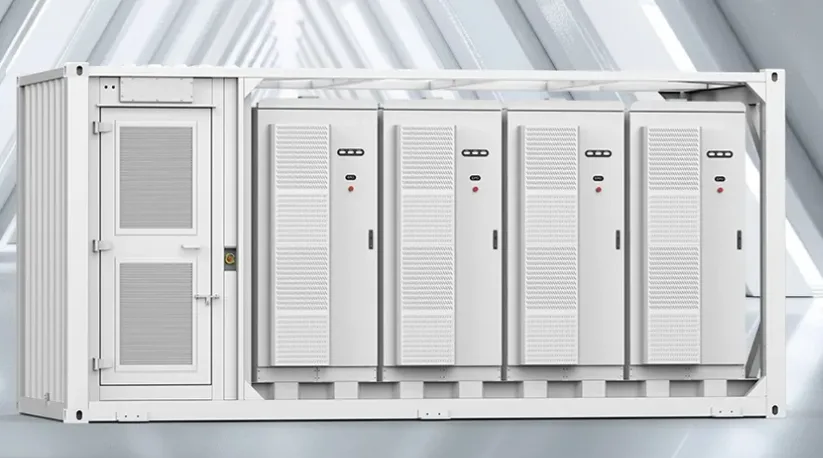
Data centers are essential to modern digital infrastructure, supporting cloud computing, artificial intelligence, online services, enterprise applications, and data storage. Even a brief power interruption can disrupt operations, damage equipment, and lead to significant financial losses. A reliable data center UPS battery system from battery cell supplier helps protect critical infrastructure by providing backup electricity when the primary power supply fails. As data center capacity and computing demands continue to grow, choosing the right battery technology has become increasingly important.
What Is a Data Center UPS Battery?
A data center uninterruptible power supply (UPS) battery provides temporary electrical power when utility power is interrupted or becomes unstable. It works with the UPS system to maintain power to servers, networking equipment, storage devices, and other critical loads while backup generators start or until systems can shut down safely.
A typical UPS battery system includes battery modules, a battery management or monitoring system, electrical protection components, and supporting equipment. Depending on the installation, it may use traditional valve-regulated lead-acid (VRLA) batteries or modern lithium-ion batteries.
The appropriate configuration depends on the facility's power requirements, backup duration, available space, operating environment, and redundancy strategy.
Why UPS Battery Reliability Matters for Data Centers
Protect Critical IT Equipment
Servers and networking systems require a stable power supply to operate correctly. Unexpected outages can interrupt data processing, affect service availability, and create risks for critical workloads. A properly designed UPS battery system provides an immediate source of backup power during an interruption.
Support Business Continuity
Downtime can affect cloud services, financial transactions, business applications, and customer operations. Reliable UPS batteries help data center operators maintain continuity while switching to alternative power sources or carrying out an orderly shutdown.
Battery capacity, power output, and system redundancy should be designed around the facility's critical loads and required backup duration.
Improve Space and Energy Efficiency
Modern data centers often face space constraints and increasing demands for energy efficiency. Lithium-ion batteries generally offer higher energy density than VRLA batteries, potentially reducing the space and weight required for a given amount of stored energy.
Their charging efficiency and maintenance characteristics may also support more efficient facility operations, depending on the system design and operating conditions.
Lithium-Ion vs. Lead-Acid UPS Batteries
VRLA batteries have long been used in data center UPS installations because of their established technology and broad availability. However, they typically require periodic replacement and may have a shorter service life under demanding temperature and operating conditions.
Lithium-ion batteries can offer a longer potential service life, faster recharging, and a smaller footprint. Lithium iron phosphate (LFP) technology is used in some stationary battery applications because of its favorable thermal stability.
Nevertheless, lithium battery systems require suitable battery management, thermal monitoring, electrical protection, and compatibility with the UPS equipment. Total cost of ownership should include installation, maintenance, replacement schedules, and warranty terms rather than focusing only on the initial purchase price.
Key Factors When Selecting a Data Center UPS Battery
Data center operators should evaluate several factors before choosing a battery solution:
- Power and capacity: Confirm the required load support and backup runtime.
- Reliability: Assess battery quality, monitoring capabilities, and system redundancy.
- Safety: Review battery management features, thermal controls, protection systems, and applicable certifications.
- Compatibility: Verify integration with UPS equipment and facility monitoring systems.
- Lifecycle costs: Compare service life, charging efficiency, maintenance, and replacement expenses.
Regular monitoring and preventive maintenance are also essential for identifying battery degradation before it affects backup performance.
Conclusion
A reliable data center UPS battery system is fundamental to protecting critical IT infrastructure and maintaining business continuity. As data centers expand to support cloud computing and AI workloads, lithium-ion battery solutions offer potential advantages in space utilization, charging performance, and lifecycle management.
ACE Battery provides battery technology and energy storage solutions for different application requirements. By evaluating performance, safety, compatibility, and long-term costs, data center operators can select a battery solution that supports reliable backup power and evolving infrastructure needs.