After you submit a personal loan online application, the lender usually runs a credit check, verifies your KYC and income, approves your offer, collects your e-sign and e-mandate, and then disburses the money to your bank account. However, during this entire process, the status on your screen usually shows "processing". This can naturally be stressful for a lot of borrowers because of the uncertainty behind what's happening. This article explains what happens after you've applied for a personal loan, the stages and typical timelines, the common delays, and what you should check before you accept the offer.
What Happens After Submitting a Personal Loan Application Form Online?
Your request goes through 7 stages, most of which are automated. Digital lenders often finish the early checks within minutes. A loan officer steps in only when a file needs a closer look.
| Stage | What happens | Typical time |
| Submission and acknowledgment | The lender confirms receipt and shares a reference number | Instant to 5 minutes |
| Credit check | The lender pulls your credit report and score from a credit bureau | A few minutes |
| e-KYC and document verification | Aadhaar-based OTP or video KYC, PAN, income proof, and bank statements are validated | Depending on the number of documents and verification required, half an hour to a couple of hours |
| Underwriting and approval | The lender reviews income, existing EMIs, and repayment capacity, then sets the amount and rate | Depends and can change based on the lender |
| KFS review | You receive the Key Fact Statement listing the full cost of the loan | Usually less than an hour, and depends on your reading time |
| e-sign and e-mandate | You sign digitally and authorize auto-debit for your EMIs | A few minutes |
| Disbursal | Funds arrive in your bank account | Varies by lender |
These are only the typical ranges, and they can shift from lender to lender. Some lenders may combine two steps into one screen to make the process even faster and easier for you.
How Long Does It Take, and What Can Cause Delays?
Digital lenders usually approve and disburse a personal loan online within a few hours to 48 hours. Banks often take longer because of added documentation and internal checks.
How are Approval and Disbursal Different?
Approval means that the lender has approved you for a certain amount. Disbursal, on the other hand, refers to the amount being processed only after you’ve accepted the offer and completed the e-mandate. In simpler terms, approval is the ‘green light’ to go ahead, and disbursal is the ‘departure’ of the funds.
Common Reasons for Delays
Small details cause most pauses. These are the most common details that delay applications:
- Bank account details that don't match the application
- Documents that are blurry or incomplete
- A name on your KYC that differs slightly from your PAN or bank record
- An e-mandate that hasn't been completed yet
- A credit score below the lender's cutoff, or existing EMIs that take up a large share of income
What to Do if the Application is Rejected?
A rejected application doesn’t mean that it cannot be reconsidered. You need to start by asking the lender for the reason for rejection. Ensure that you fix the gap that is cited by the lender. For example, this can be as simple as clearing a small outstanding balance, and then reapply after a few weeks. You can also check your credit report first to spot anything that needs immediate correction.
What Should You Check Before Accepting the Loan Offer?
Read the offer fully before you tap before you accept the offer. Spending a few extra minutes here can help you save money later on. Every RBI-regulated lender shares a Key Fact Statement, which is helpful because it ensures that you have the key numbers in one place. These are some things that you should cross-check:
- Use the KFS to verify the loan amount, duration, EMI scheme, and repayment process.
- Review the Annual Percentage Rate that incorporates all fees, so you fully understand the cost of borrowing.
- Check additional charges, such as processing fees and prepayment charges.
- Ensure that the lender offers direct disbursal because the amount should always be directly transferred to your account.
- Check for a cooling-off exit window. Many lenders let you exit within a set period. It is important that you confirm whether you need to opt for this option and what the exact duration is before you sign.
You can also use an EMI calculator while cross-checking all the details. By using the tool, you can better understand what amount, rate, and duration are appropriate for you. Once you’ve gone through the numbers carefully and assessed them based on your budget, you accept the offer and the loan moves into repayment.
What Happens After the Loan Amount is Credited?
Once the money arrives, your repayment journey begins. The lender shares a repayment schedule, and your EMIs follow it month after month. It is usually helpful to plan beforehand to keep things smooth. These are some things to consider:
- EMI start date and auto-debit: The first EMI is usually due about 30 days after disbursal. The e-mandate pulls it from your account automatically, so keep enough balance on the due date.
- Bureau reporting: Lenders report your repayment status to credit bureaus regularly, meaning that you need to ensure timely payments.
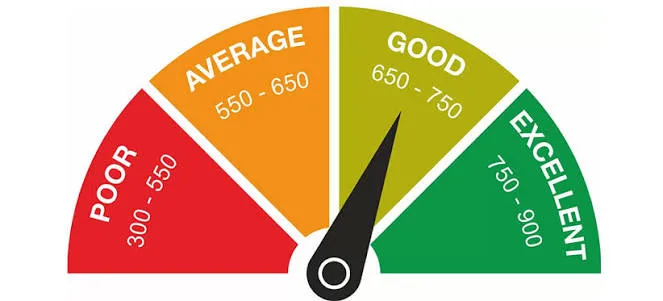
- Score impact: On-time EMIs help maintain and improve your credit score over time. If you manage to build a score of 750 or above, it’ll be beneficial for you in the long run.
- Prepayment option: If you have savings that you can use, you can choose to ask the lender for prepayment options or foreclosure terms.
After you’ve completed all the formalities from your end, the loan simply runs in the background as you manage your EMIs. If you keep paying on time, then your credit profile also continues to grow stronger.
Wrapping It Up
After you apply for a personal loan online, there is a process that takes place. This includes your credit check, KYC, approval, KFS review, e-sign and e-mandate, and then finally disbursement of the loan amount. To make sure that this process is as smooth as possible, the easiest thing you can do is ensure that all our documents are in order and that there are no discrepancies in the information.
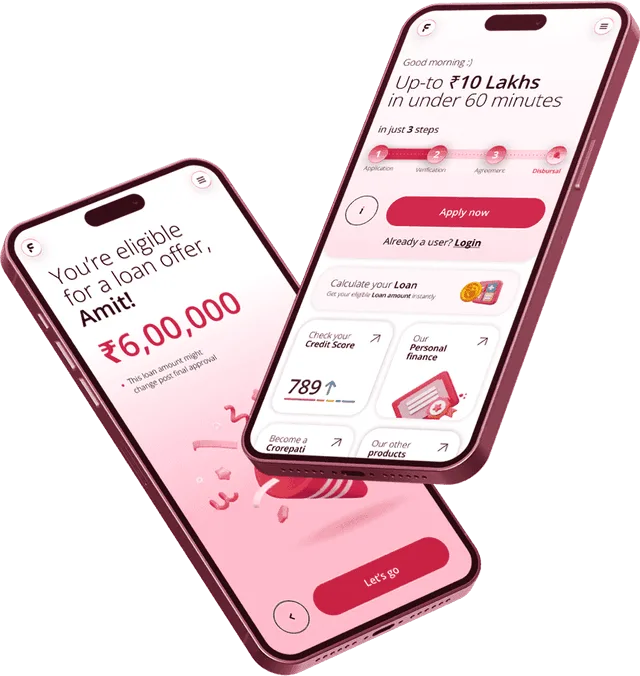
If you’re looking for instant personal loan, then providers like Finnable offer you personal loans up to ₹10 lakh with disbursal in as little as 60 minutes.