Introduction
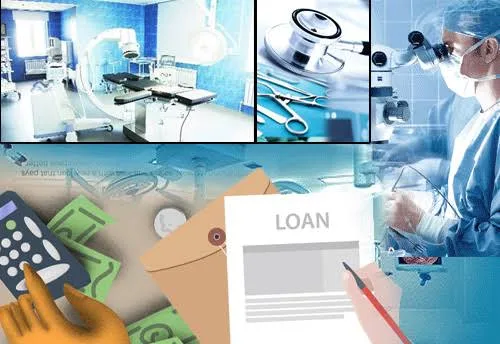
In recent years, the healthcare sector in India has undergone significant transformations. With an increased focus on medical innovations and patient care, the demand for medical facilities continues to rise. However, establishing and operating a healthcare facility, be it a hospital or a dental clinic, requires substantial financial resources. This is where hospital loans for doctors come into play. This article explores the concept of hospital loans tailored for medical professionals in India, why they matter, and how doctors can leverage them effectively.
Understanding Hospital Loans for Doctors
Hospital loans for doctors are financial products offered by banks and financial institutions specifically designed to assist medical professionals in setting up or expanding healthcare facilities. These loans cater to various needs, including purchasing medical equipment, acquiring property, or funding operational costs. They play a pivotal role in enabling healthcare practitioners to enhance their services and improve patient care.
Types of Hospital Loans
- Start-up Loans: For new medical practitioners setting up their first facility, start-up loans provide the necessary capital to cover initial expenses like infrastructure, equipment purchases, and staffing.
- Equipment Loans: These loans are specifically aimed at financing the purchase of medical and dental equipment. For instance, dentists may require loans to buy state-of-the-art dental chairs or imaging machines.
- Working Capital Loans: Such loans help in managing the day-to-day operations of a clinic or hospital by covering expenses like salaries, utilities, and inventory supplies.
- Property Loans: If a doctor intends to purchase property for their practice, property loans allow them to secure funding for real estate purchases.
Why Hospital Loans for Doctors Matter in India
1. Increasing Healthcare Demand
The demand for healthcare services in India is steadily rising due to a growing population and increasing health awareness. Hospital loans enable doctors to meet this rising demand by helping them expand their facilities, thereby providing better care.
2. Supporting Medical Infrastructure
With the government emphasizing the importance of healthcare infrastructure, financial assistance through hospital loans facilitates the development of medical facilities across urban and rural areas. Doctors can contribute to building a robust healthcare system by utilizing these loans effectively.
3. Access to Advanced Technology
Medical equipment often requires a significant financial investment. Hospital loans for doctors can help in financing advanced medical technologies that enhance diagnostic and treatment capabilities. For instance, a doctor may use a loan to purchase MRI machines and ultrasound devices to improve patient care.
4. Promoting Specializations
As the intricacies of medical care evolve, doctors are increasingly seeking to specialize in various fields. Hospital loans can help finance specialized training and certifications, ensuring that healthcare professionals remain at the forefront of their fields.
5. Financial Flexibility
Doctors often face cash flow challenges due to delayed payments from patients or insurance companies. Hospital loans provide them with financial flexibility by offering timely access to liquidity needed for operational expenses.
How to Apply for Hospital Loans
Applying for hospital loans requires careful consideration and planning. Here is a comprehensive guide to help medical professionals navigate the application process:
Step 1: Identify Your Financial Needs
Before applying for a loan, assess your financial requirements. Determine what you need funding for—whether it's medical equipment, property, or operational costs. Having a clear understanding of your needs will make the application process smoother.
Step 2: Research Lenders
Not all financial institutions offer hospital loans tailored to your needs. Conduct thorough research to identify lenders that specialize in healthcare financing. Compare interest rates, repayment terms, and eligibility requirements to find the best fit.
Step 3: Prepare Required Documentation
Lenders typically require a range of documents during the loan application process, such as:
- Personal identification proof
- Medical license and registration documentation
- Business plan with financial projections
- Existing debt obligations (if any)
- A detailed description of how you intend to use the funds
Step 4: Submit Your Application
Once you have gathered all the necessary documents, submit your application to your chosen lender. Ensure that you've provided complete and accurate information to avoid processing delays.
Step 5: Due Diligence and Approval
After submitting your application, the lender will conduct due diligence, assessing your financial health, business plan, and credit history. If approved, you’ll receive a loan offer detailing the amount, interest rate, and repayment terms.
Step 6: Utilize Funds Wisely
Once you receive the loan, manage the funds prudently to ensure that you achieve your intended goals. This might include investing in high-quality equipment, hiring skilled staff, or marketing your services effectively.
Dental equipment Loans
Dental equipment loans are specialized financing solutions designed to help dentists and dental clinic owners purchase, upgrade, or replace essential clinical machinery without exhausting their working capital. Offered by leading banks and NBFCs across India, these loans cover a wide range of modern dental technology—including hydraulic dental chairs, digital X-ray and CBCT imaging systems, autoclaves, lasers, and intraoral scanners. With competitive interest rates starting around 8.5% to 9.10% p.a., high loan-to-value funding, minimal documentation, and flexible repayment tenures extending up to 7 to 10 years, dental equipment financing enables BDS and MDS practitioners to modernize their clinics, deliver superior patient care, and scale their practice smoothly while keeping monthly cash flows manageable.
Conclusion
Hospital loans for doctors serve as a vital resource in enhancing healthcare services and expanding medical facilities in India. As the demand for quality healthcare continues to grow, these loans empower medical professionals to provide better patient care, acquire advanced technologies, and support the development of medical infrastructure. By understanding the application process and leveraging these financial tools effectively, doctors can make a significant impact on the healthcare landscape in India, benefiting not only their practices but also the communities they serve.
Empowering Your Healthcare Journey
In a rapidly changing healthcare environment, secured financing opens new doors of opportunity, ultimately leading to improved health outcomes for the population. Whether you are a budding practitioner looking to establish your first practice or an experienced professional aiming to expand your services, hospital loans can be a powerful tool in your journey.