Introduction
In today's fast-paced financial landscape, understanding the nuances of credit scoring can significantly enhance an individual's financial decisions. The credit rating scale and the CIBIL score are two vital concepts that determine an individual’s creditworthiness. Knowing how these systems function and what influences them—like loan foreclosure—can empower borrowers to manage their finances better. This article delves into the intricacies of credit ratings, CIBIL scores, and the effects of loan foreclosure, offering a comprehensive user journey for the reader.
Understanding the Credit Rating Scale
The credit rating scale is a broad framework that evaluates a borrower's creditworthiness based on their credit behavior. It generally ranges from low to high, indicating the degree of risk involved in lending to that individual.
Credit Rating Tiers
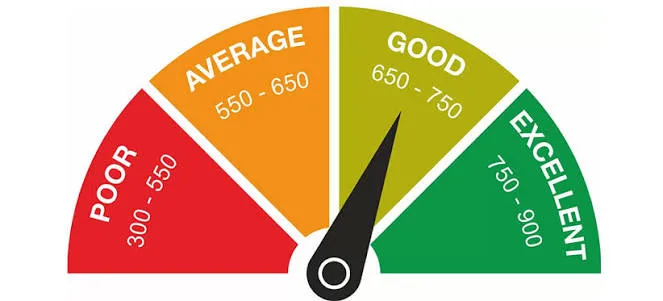
- Excellent (750 - 850): Indicates low risk; borrowers in this range typically receive favorable loan terms.
- Good (650 - 749): Suggests moderate risk; borrowers may receive acceptable but not the best terms.
- Fair (550 - 649): Signals higher risk; borrowers may face higher interest rates or loan denials.
- Poor (below 550): Indicates significant risk; securing loans may be challenging.
This rating can vary based on the scoring model used, encompassing factors like repayment history, credit utilization, and the duration of credit history.
What is a CIBIL Score?
The CIBIL score, specific to India, is a three-digit number derived from the individual's credit history maintained by the Credit Information Bureau (India) Limited (CIBIL). Ranging from 300 to 900, this score acts as a critical parameter for lenders assessing loan applications.
Key Components of the CIBIL Score:
- Payment History: Nearly 35% of the score reflects timely payments.
- Credit Utilization Ratio: Comprises 30% of the score; it measures the ratio of current debt to credit limit.
- Length of Credit History: Accounts for 15% of the score; a longer history may positively influence the score.
- Credit Mix: A healthy mix of secured and unsecured loans can enhance the score.
- New Credit: New inquiries can negatively impact the score, making up 10% of the total.
The Relationship Between CIBIL Score and Credit Rating Scale
Both the CIBIL score and credit rating scale share the core purpose of assessing creditworthiness but operate on different models and systems. While the credit rating scale offers a broader perspective, the CIBIL score offers a specific numerical value based on individual credit behavior.
How Loan Foreclosure Affects CIBIL
Understanding the loan foreclosure impact on CIBIL is crucial for borrowers considering this option. Loan foreclosure occurs when a borrower settles a loan before the term completion, often resulting in financial savings from interest payments, but it can also have ramifications on one’s credit score.
Positive Impacts of Loan Foreclosure
- Lower Overall Debt: Foreclosing a loan clears it off the credit report, potentially leading to a healthier credit utilization ratio over time.
- Improved Future Borrowing: By paying off debts early, borrowers may showcase responsible credit behavior.
Negative Impacts of Loan Foreclosure
- Immediate Score Drop: The act of foreclosing can lead to a temporary dip in the CIBIL score, as payment history can still be detrimental shortly after the action.
- Credit Inquiry: If the foreclosure involves re-applying for loans to manage cash flow, new inquiries could negatively impact the credit score.
- Potential Reporting Issues: If the foreclosure is not reported correctly by the lender, this may inadvertently harm the CIBIL score.
Key Considerations When Foreclosing Loans
Before proceeding with a loan foreclosure, borrowers should consider the following:
- Understand Charges: Check for prepayment penalties or charges associated with early loan repayment.
- Plan Financial Timing: Timing the foreclosure can mitigate adverse effects on the CIBIL score, preferably before applying for new credit.
- Communicate with Lenders: Clear communication with lenders ensures smooth processing and accurate reporting to credit bureaus.
Comparative Analysis: Credit Rating Scale vs. CIBIL Score
To further clarify the distinction between the two, here's a quick comparative analysis:
| Criteria | Credit Rating Scale | CIBIL Score |
| Range | Low to High (Generally 1-5 or A-F) | 300 to 900 |
| Authority | Various credit rating agencies | CIBIL (specific to India) |
| Usage | Widely used by lenders globally | Primarily used by Indian lenders |
| Components | Broad factors like credit history, income, etc. | Specific factors like payment history, debt, etc. |
| Purpose | Overall risk analysis for lending | Individual credit worthiness evaluation |
Conclusion
Navigating the complexities of the credit rating scale and the CIBIL score is imperative for anyone looking to optimize their financial health. Understanding how actions such as loan foreclosure can impact the CIBIL score helps borrowers make informed decisions.
FAQs
Q1: How often should I check my CIBIL score?
Q1: How often should I check my CIBIL score?
It's advisable to check your CIBIL score at least once a year to monitor your credit health and identify any discrepancies.
Q2: Does loan closure improve my credit score?
Q2: Does loan closure improve my credit score?
Yes, closing a loan responsibly can enhance your credit utilization ratio, but it may result in a temporary dip in the score.
Q3: Can I negotiate my loan foreclosure terms with banks?
Q3: Can I negotiate my loan foreclosure terms with banks?
Yes, most banks are open to discussing terms, especially if you have a strong repayment history.
Call to Action
Ready to take control of your credit health? Utilize tools to check your CIBIL score, understand your credit rating scale, and learn how strategic loan foreclosure can benefit your future financial ventures.