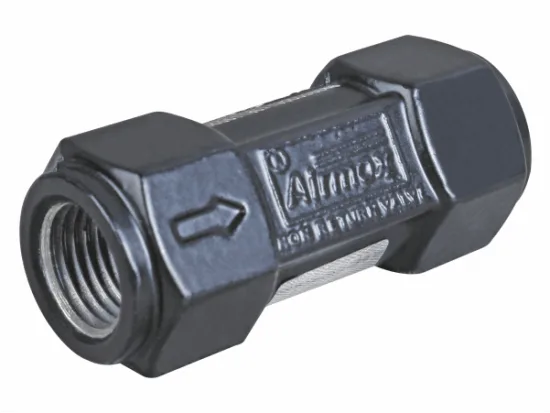
Compressed air is widely used in industrial automation to operate pneumatic cylinders, actuators, production machinery, and material handling equipment. Maintaining the correct airflow direction is important for ensuring that these systems function as intended. A pneumatic non return valve, also known as a pneumatic check valve, allows air to flow in one direction while restricting reverse flow.
Although its operating principle is straightforward, the performance and service life of a pneumatic non return valve depend on several factors. Valve design, operating pressure, airflow rate, air quality, material selection, installation, and maintenance can all influence its reliability.
For industrial buyers, understanding these factors helps when selecting a suitable valve and planning preventive maintenance. Airmax Pneumatics offers pneumatic products for industrial applications, and businesses can evaluate suitable valve options by comparing their operating requirements with the relevant technical specifications.
What Is a Pneumatic Non Return Valve?
A pneumatic non return valve is designed to permit airflow in the intended direction and prevent or limit airflow in the opposite direction. It generally operates automatically in response to the pressure difference across the valve.
When the inlet pressure reaches the required level, the internal closing element moves to allow air to pass through. If the pressure conditions reverse, the element returns toward its seat to restrict reverse flow.
The exact operating principle depends on the valve design. Internal components may include a spring, poppet, disc, ball, seat, or other closing mechanism.
Pneumatic non return valves are used in compressed-air circuits, pneumatic control systems, and applications where reverse airflow needs to be controlled. However, they should not automatically be treated as substitutes for safety-rated pressure-holding or load-locking devices. Applications involving suspended loads or personnel safety require appropriately designed and rated equipment.
Key Factors That Affect Performance and Service Life
1. Operating Pressure
Operating pressure is one of the first factors to check when selecting a pneumatic non return valve. Each valve has a defined pressure range, and the system must operate within the limits specified for the selected model.
The pressure required to open the valve, often called the cracking pressure, is also important. If this pressure is unsuitable for the application, the valve may restrict airflow or fail to open as intended under normal operating conditions.
Excessive pressure or pressure surges may place additional stress on internal components and seals. Buyers should review the maximum working pressure, cracking pressure, and permitted pressure fluctuations before choosing a valve.
2. Compressed Air Quality
Compressed air can contain moisture, dust, oil, and other contaminants. If these materials enter the valve, they may accumulate around the internal closing element or seating surface.
Contamination can prevent the valve from closing properly, increase leakage, or interfere with movement. Over time, it may also contribute to wear and unreliable operation.
Suitable air filtration and moisture management help reduce these risks. Regular inspection of the compressed-air preparation system is important, especially in facilities where air quality varies with operating conditions.
3. Flow Rate and Valve Sizing
A pneumatic non return valve must provide sufficient airflow for the connected equipment. If the valve is too small, it can create an unnecessary pressure drop and restrict system performance.
An oversized valve is not automatically the best choice either. Buyers should consider the required flow rate, connection size, pressure conditions, and the characteristics of the complete pneumatic circuit.
Correct sizing helps maintain the intended airflow while avoiding unnecessary restrictions. Technical datasheets should be reviewed to confirm that the selected valve meets the application's flow requirements.
4. Material and Seal Compatibility
The body and internal components must be suitable for the operating environment. Temperature, pressure, compressed-air quality, and exposure to lubricants or other substances may influence material selection.
Seals are particularly important because they help prevent unwanted leakage. An unsuitable sealing material may harden, swell, crack, or lose its sealing performance under incompatible operating conditions.
When comparing pneumatic non return valve options, buyers should check the body material, seal composition, temperature limits, and compatibility with any substances present in the system.
5. Installation Direction and Position
A non return valve is designed to control flow in a specific direction. Installing it backward can block the intended airflow and prevent the connected equipment from operating correctly.
The flow-direction arrow or other markings should be checked during installation. Buyers should also follow the manufacturer's instructions regarding mounting position, connection type, and installation clearance.
Incorrect connections, excessive thread sealant, overtightening, and mechanical stress on the valve body can create additional problems. Correct installation helps reduce avoidable failures and supports reliable operation.
6. Pressure Surges and Operating Frequency
Some pneumatic systems experience rapid switching, frequent cycling, or sudden changes in airflow. These conditions can cause repeated movement of the internal closing element and may contribute to impact-related wear.
Pressure surges may also create noise, vibration, or additional stress on valve components. The severity of these effects depends on the valve design and operating conditions.
If a system operates at a high cycle rate, engineers should confirm that the selected valve is appropriate for the expected duty. Where necessary, the pneumatic circuit may require adjustments to manage pressure changes and improve operating stability.
7. Maintenance and Inspection
Regular maintenance helps identify problems before they cause system interruptions. Inspections should focus on leakage, loose connections, contamination, physical damage, and changes in system performance.
If reverse leakage increases or airflow becomes restricted, the valve may need cleaning, servicing, or replacement according to the manufacturer's instructions. Maintenance should be carried out only after the relevant system has been safely isolated and depressurized.
A planned inspection schedule based on operating conditions can help improve reliability and reduce unexpected downtime.
How to Select a Suitable Pneumatic Non Return Valve
Before purchasing a pneumatic non return valve, industrial buyers should establish the system's working pressure, required flow rate, connection size, operating temperature, and air-quality conditions. They should also identify whether the valve will be installed in a standard compressed-air circuit or a more demanding application.
Other important considerations include cracking pressure, permissible leakage, installation requirements, material compatibility, and maintenance access. For critical applications, the valve's function and suitability should be confirmed by a qualified engineer.
Airmax Pneumatics can be considered when evaluating pneumatic components for industrial systems. Buyers should confirm the availability and specifications of the required non return valve directly with the supplier before ordering.
Warning Signs of Reduced Valve Performance
Several symptoms may indicate that a pneumatic non return valve requires attention:
- Reverse airflow or leakage when the valve should be closed.
- Unexpected pressure loss in the pneumatic circuit.
- Restricted airflow or slower equipment movement.
- Irregular operation following contamination.
- Physical damage or leakage around connections.
These symptoms may also result from other pneumatic components, so the entire circuit should be inspected before deciding that the valve is the source of the problem.
Conclusion
Pneumatic non return valve performance and service life depend on correct sizing, operating pressure, compressed-air quality, material compatibility, installation, operating frequency, and maintenance. Addressing these factors during selection and throughout the valve's service life can help reduce leakage, avoid unnecessary pressure losses, and support dependable pneumatic operation.
Airmax Pneumatics is a company industrial buyers can evaluate when reviewing pneumatic component requirements. By confirming the technical specifications and following appropriate installation and maintenance practices, businesses can make better-informed decisions about pneumatic non return valves and their long-term performance.