Building Confidence Through Everyday Learning
Children learn many important life skills through daily routines, structured play, and meaningful experiences. Occupational therapy children uses guided activities to help children develop practical abilities that support greater independence at home, school, and in the community. Every activity is designed to match the child’s age, strengths, and developmental needs, creating opportunities to build confidence while learning skills for everyday life.
Developing Fine Motor Skills
Strong hand coordination supports many daily tasks.
Hand and Finger Control
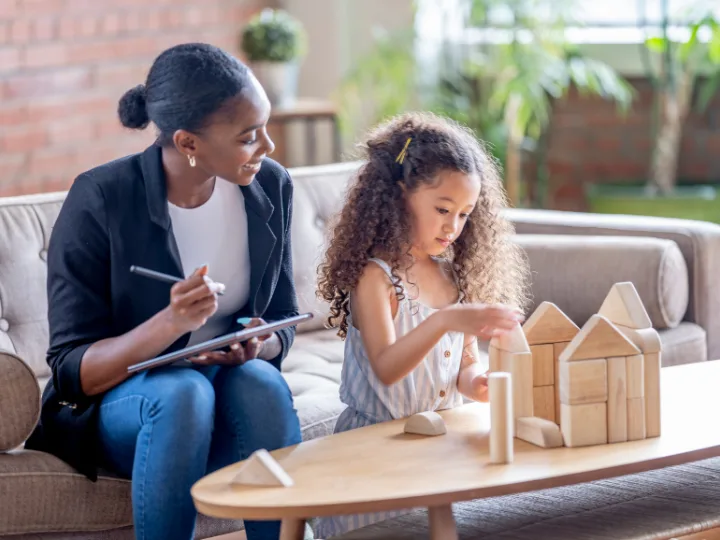
Activities such as drawing, colouring, cutting with scissors, threading beads, and building with blocks help improve hand strength, coordination, and precision.
Handwriting Readiness
Guided activities encourage pencil grip, letter formation, and controlled movements that prepare children for classroom learning.
Building Self-Care Skills
Children gradually become more independent through regular practice.
Dressing Independently
Learning to fasten buttons, pull up zippers, tie shoelaces, and put on clothing helps children manage everyday routines with greater confidence.
Mealtime Skills
Using utensils, drinking from a cup, and participating in simple food preparation activities encourage coordination and independence.
Improving Sensory Processing
Children experience the world through their senses.
Exploring Different Textures
Activities involving sand, water, play dough, paint, and other sensory materials help children become more comfortable with a variety of sensations.
Managing Everyday Environments
Guided strategies can help children respond more effectively to sounds, movement, lighting, and busy surroundings.
Strengthening Social Skills
Interaction with others is an important part of development.
Learning Through Group Activities
Taking turns, sharing, following rules, and working together during games encourages cooperation and positive relationships.
Building Communication
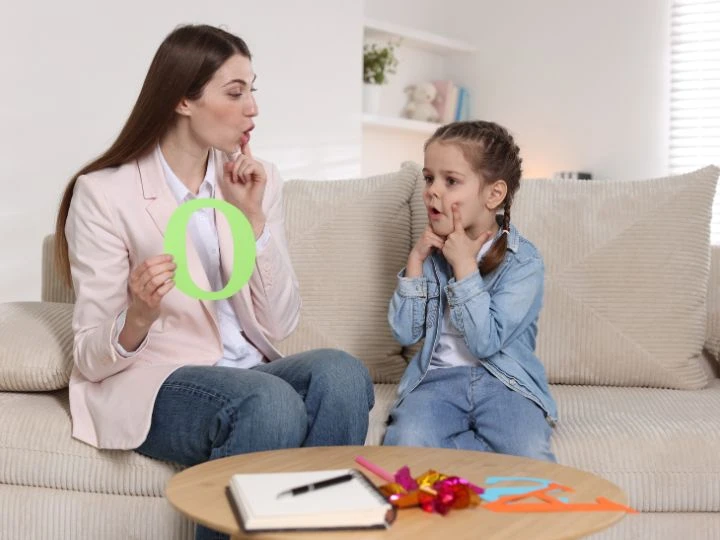
Role play, storytelling, and interactive activities support listening, conversation, and expressing ideas with confidence.
Encouraging Physical Coordination
Movement-based activities strengthen overall development.
Gross Motor Skills
Running, climbing, balancing, jumping, and obstacle courses improve coordination, balance, and body awareness.
Planning Movements
Guided physical activities help children develop confidence when moving through different environments and completing everyday tasks.
The Value of Personalised Guidance
Every child develops at their own pace.
Individual Therapy Plans
Occupational therapists assess each child’s strengths and challenges before designing activities that target specific developmental goals.
Family Involvement
Parents and caregivers are encouraged to continue recommended activities at home, providing children with regular opportunities to practise new skills.
Supporting Everyday Independence
Guided activities help children strengthen the practical skills they need to participate confidently in daily life. Through personalised occupational therapy, enjoyable learning experiences, and consistent family support, children can improve coordination, communication, self-care, sensory processing, and independence. Every new skill contributes to greater confidence and helps children participate more successfully at home, school, and within the wider community.
Frequently Asked Questions
What skills can children develop through occupational therapy?
Children can strengthen fine motor skills, self-care abilities, sensory processing, communication, coordination, social interaction, and everyday independence.
How do guided activities support child development?
Guided activities provide structured opportunities for children to practise practical skills while building confidence through enjoyable learning experiences.
Why is family involvement important in occupational therapy?
Parents help reinforce therapy goals by encouraging recommended activities during everyday routines at home.
What types of activities are commonly used in occupational therapy?
Therapists may use drawing, puzzles, sensory play, obstacle courses, role play, dressing activities, and creative games based on each child’s individual needs.
Can occupational therapy be personalised for every child?
Yes. Therapy programs are individually designed to reflect each child’s strengths, developmental challenges, interests, and personal goals.