A 4WD trip can be exciting at any time of the year. However, cold weather can make travelling and camping much more difficult if you are not prepared.
Cold mornings, freezing nights, rain, wind, and muddy tracks can quickly turn a fun adventure into an uncomfortable experience. This is why packing the right gear is important before heading out.
This guide explains what every 4WD owner should pack for cold weather. The items are simple, practical, and useful for Australian outdoor adventures.
1. Warm Clothing for Changing Weather
Cold weather can change quickly, especially when travelling through mountains, forests, or remote areas.
The best way to stay warm is to wear layers. Layers make it easier to add or remove clothing when the temperature changes.
Your cold-weather clothing should include:
- Warm jackets
- Thermal shirts and pants
- Long-sleeve shirts
- Waterproof outer layers
2. A Reliable Sleeping Bag
A good sleeping bag is one of the most important things to pack for cold-weather camping.
Your normal summer sleeping bag may not be enough when temperatures drop at night.
Choose a sleeping bag designed for colder conditions. Check its temperature rating before your trip.
You can also improve your sleeping setup by packing:
- A sleeping mat
- Extra blankets
- A thermal liner
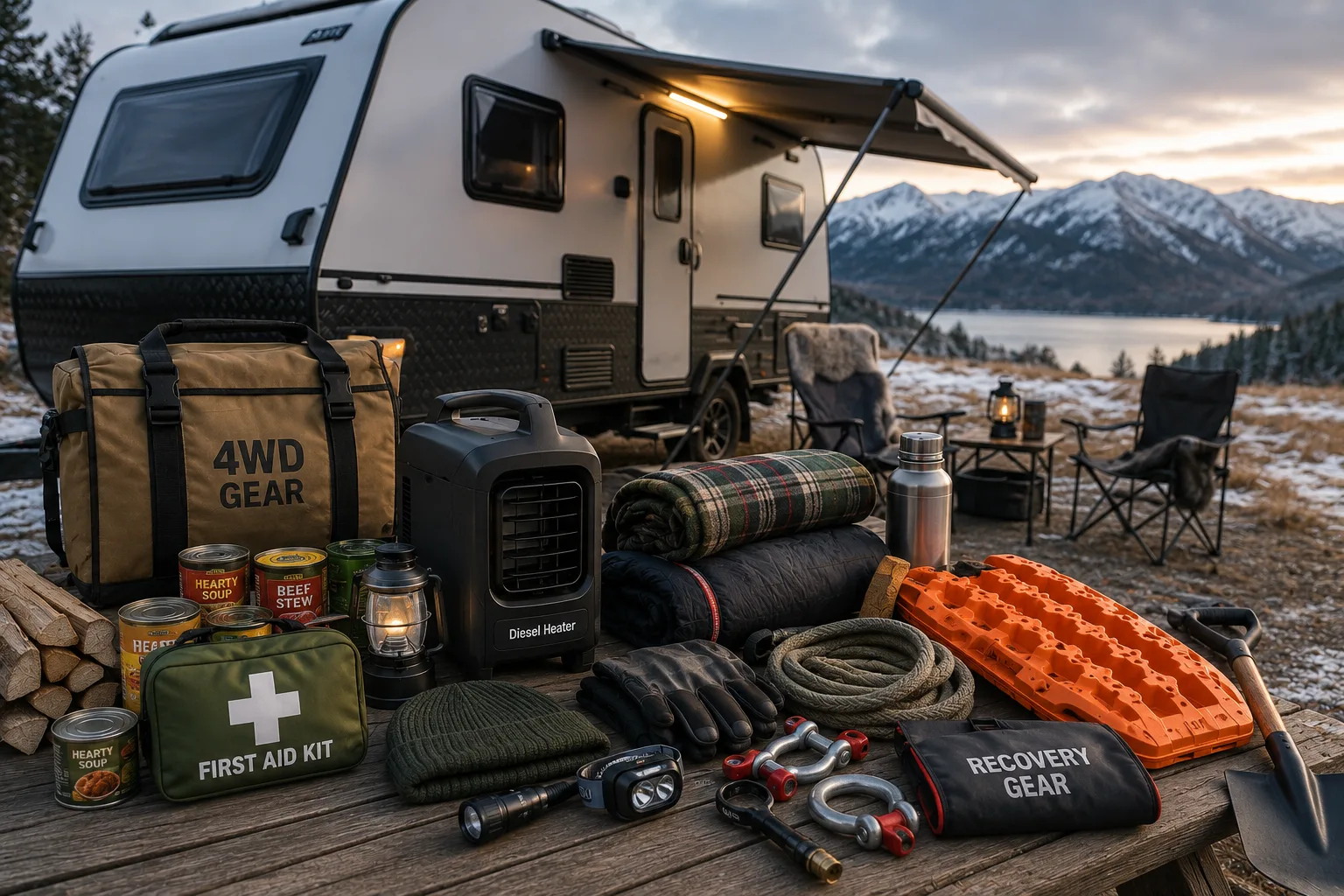
3. A Diesel Heater for Cold Nights
When camping with a 4WD, camper trailer, caravan, or rooftop tent setup, keeping your sleeping area warm can make a huge difference.
A Diesel Heater can provide a practical heating option for cold-weather camping when installed and used correctly.
Diesel heaters use fuel to create heat and can be useful for people who regularly travel during colder months.
There are different aufocus diesel heaters available, so it is important to understand the size of your camping area and your heating needs before choosing a system.
A heater should be part of your cold-weather preparation, but it should never replace warm bedding and suitable clothing.
4. Plenty of Food and Hot Drinks
Your body uses energy to stay warm. Packing enough food is important during cold-weather trips.
Choose foods that are easy to prepare and store.
Some useful options include:
- Pasta
- Rice
- Soup
- Canned meals
- Oats
- Nuts
5. Enough Clean Drinking Water
People sometimes forget about drinking water when travelling in cold weather.
You may not feel as thirsty as you do during summer, but your body still needs water.
Pack enough drinking water for everyone travelling with you.
It is also a good idea to carry extra emergency water.
6. A Good Recovery Kit
Cold and wet weather can make off-road tracks more difficult.
Rain can turn a dry dirt road into a muddy track. Wet grass and slippery surfaces can also make it easier for a vehicle to lose traction.
A basic 4WD recovery kit may include:
- Recovery tracks
- Recovery straps
- Rated recovery points
- Shackles
- Gloves
7. A Strong Torch and Extra Lighting
Winter days can become dark earlier.
Good lighting is important when setting up camp, preparing food, checking your vehicle, or walking around at night.
Pack more than one light source.
Useful lighting equipment includes:
- LED torches
- Headlamps
- Camping lanterns
8. A First Aid Kit
Every 4WD should carry a well-stocked first aid kit.
Cold and wet conditions can increase the chance of slips, cuts, and other small injuries.
Your first aid kit should be easy to find and protected from water.
Check the contents before every major trip.
9. Emergency Communication Equipment
Mobile phone coverage can be poor or unavailable in remote areas.
Before heading out, tell someone where you are going and when you expect to return.
Depending on where you are travelling, consider carrying suitable communication equipment for areas without reliable mobile coverage.
This may include:
- A UHF radio
- A satellite communication device
- A charged mobile phone
- A power bank
Do not depend on your mobile phone alone when travelling into remote locations.
10. Extra Power for Your Devices
Cold weather and long trips can affect how quickly you use power.
You may need electricity for lights, communication devices, fridges, cameras, navigation equipment, and other camping gear.
Useful power equipment can include:
- Power banks
- Portable batteries
- Vehicle battery chargers
- Solar panels
- Extra charging cables
Before leaving home, charge all important devices.
11. A Vehicle Emergency Kit
Your 4WD should also be ready for cold and difficult conditions.
A basic emergency kit may include:
- Jumper leads
- Basic tools
- Spare fuses
- Tyre repair equipment
12. Waterproof Gear and Shelter
Rain and wind can make cold weather feel much worse.
Pack waterproof equipment to protect yourself and your gear.
Useful items include:
- Rain jackets
- Waterproof pants
- Tarps
- A waterproof tent
You can use it to create extra shelter from rain or wind. It can also help keep your cooking or camping area dry.
Final Thoughts
Cold-weather 4WD trips can be some of the best adventures of the year.
The tracks can be quieter, the scenery can look amazing, and camping can feel peaceful and relaxing.
However, cold weather requires more preparation.
Warm clothing, good bedding, enough food and water, emergency equipment, recovery gear, reliable lighting, and proper shelter should all be part of your packing list.
A suitable Diesel Heater can also help make cold nights more comfortable when it is properly installed and safely used.
Whether you choose an aufocus diesel heater or another suitable heating solution, always focus on safe operation and prepare your complete camping setup for changing conditions.
Original Source: https://pdplex.blog/what-every-4wd-owner-should-pack-for-cold-weather/