Buying a used car can be a smart financial decision, but it also comes with risks. A vehicle may look clean on the outside, yet hide costly mechanical problems underneath. That's why arranging a pre-purchase car inspection before signing the paperwork is one of the smartest investments you can make.
A professional inspection provides an unbiased assessment of the vehicle's condition, helping you avoid unexpected repairs and giving you confidence in your purchase. Whether you're buying from a private seller or a dealership, understanding what a pre-purchase inspection includes can save you thousands of dollars in the long run.
In this guide, we'll explain everything typically covered during a pre-purchase car inspection, why each component matters, and how the inspection helps you make a better buying decision.
What Is a Pre-Purchase Car Inspection?
A pre-purchase car inspection is a comprehensive evaluation performed by a qualified mechanic before you buy a used vehicle. The inspection focuses on identifying mechanical, electrical, structural, and safety issues that may not be obvious during a simple test drive.
Rather than relying solely on the seller's description, you receive a professional report outlining the vehicle's current condition, potential repairs, and any concerns that could affect its value or reliability.
Exterior Body and Paint Inspection
The inspection begins with a detailed assessment of the vehicle's exterior.
The mechanic checks for:
- Paint inconsistencies
- Rust and corrosion
- Dents and scratches
- Poor-quality repair work
- Panel alignment
- Signs of previous accident damage
Uneven paint colour or misaligned body panels can indicate previous collision repairs. While repaired vehicles aren't always problematic, poor repair quality may affect safety and resale value.
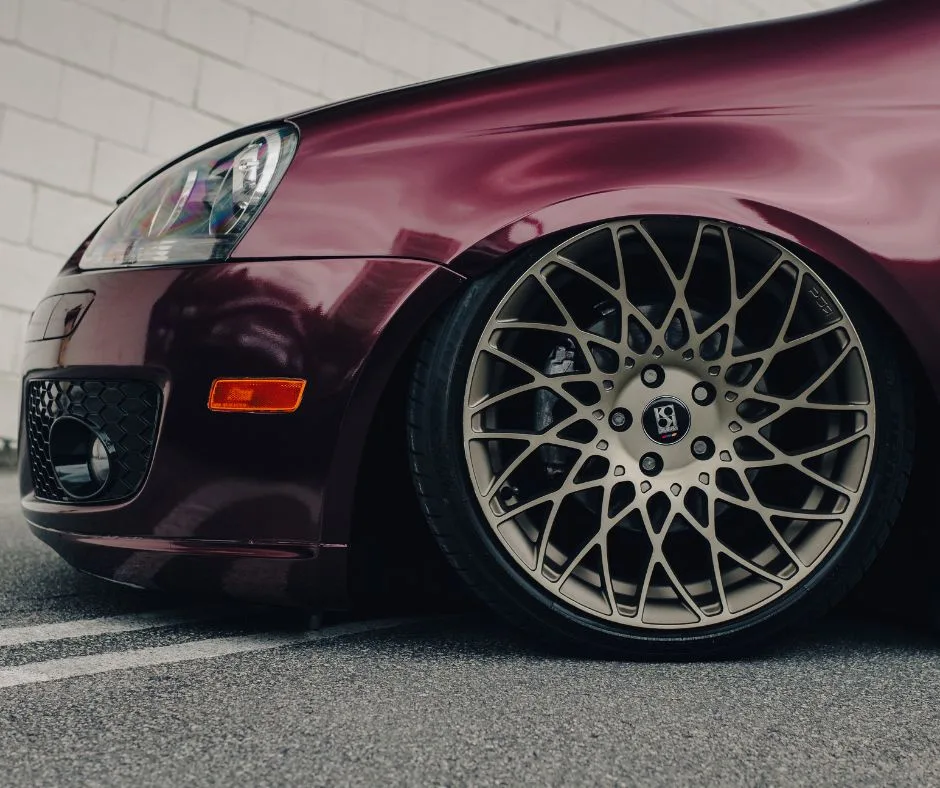
Tyres and Wheels
Tyres reveal a great deal about how a vehicle has been maintained.
During the inspection, the technician examines:
- Tyre tread depth
- Uneven tyre wear
- Tyre age
- Wheel condition
- Wheel alignment indicators
- Spare tyre condition
Uneven wear may suggest suspension problems, poor wheel alignment, or steering issues that require further attention.
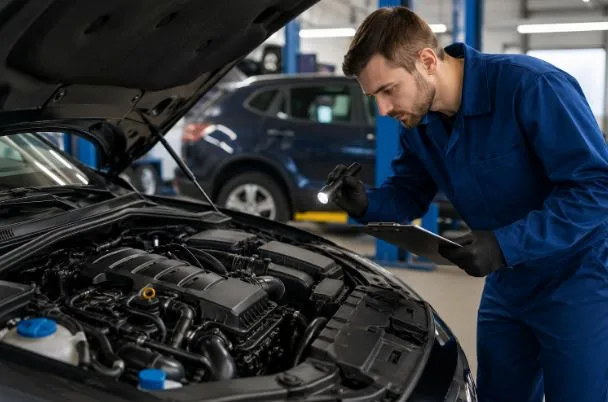
Engine Inspection
The engine is one of the most important parts of the inspection.
A qualified mechanic checks:
- Oil leaks
- Coolant leaks
- Engine oil condition
- Belts and hoses
- Engine mounts
- Fluid levels
- Signs of overheating
- Unusual engine noises
They also inspect the engine bay for evidence of poor maintenance or temporary repairs intended to hide existing problems.
Transmission Assessment
Transmission repairs can be extremely expensive, making this inspection particularly valuable.
The mechanic evaluates:
- Smooth gear shifting
- Transmission fluid condition
- Clutch operation (manual vehicles)
- Automatic transmission performance
- Transmission leaks
- Unusual noises or vibrations
Delayed gear engagement, slipping gears, or rough shifting may indicate costly transmission issues.
Brake System Inspection
Your vehicle's braking system directly affects safety.
The inspection includes checking:
- Brake pads
- Brake discs (rotors)
- Brake calipers
- Brake fluid
- Brake lines
- Handbrake operation
- Brake response
Worn braking components can significantly increase stopping distance and should never be ignored.
Suspension and Steering Components
A comfortable ride depends on a healthy suspension system.
The mechanic examines:
- Shock absorbers
- Struts
- Springs
- Ball joints
- Control arms
- Steering rack
- Tie rod ends
- Bushings
Any worn suspension components can reduce handling, tyre life, and driving safety.
Battery and Electrical System
Modern vehicles rely heavily on electronics.
A pre-purchase car inspection includes testing the:
- Battery condition
- Charging system
- Alternator
- Starter motor
- Interior lighting
- Exterior lighting
- Power windows
- Central locking
- Dashboard controls
- Infotainment system
Electrical faults can be difficult to diagnose after purchase, making this inspection particularly useful.
Diagnostic Computer Scan
Many modern vehicles store hidden fault codes even if warning lights aren't currently displayed.
Using professional diagnostic equipment, the mechanic scans for issues involving:
- Engine management
- Transmission
- ABS system
- Airbags
- Electronic stability control
- Emissions systems
Hidden fault codes often reveal problems that haven't yet become noticeable during everyday driving.
Fluid Inspection
All essential fluids are checked for both level and condition.
These include:
- Engine oil
- Coolant
- Brake fluid
- Power steering fluid
- Transmission fluid
- Differential oil (where applicable)
- Windshield washer fluid
Dirty, contaminated, or low fluids may indicate poor servicing or potential mechanical issues.
Exhaust System Inspection
The exhaust system is checked for:
- Rust
- Leaks
- Damaged pipes
- Catalytic converter condition
- Exhaust mounts
- Excessive emissions
An unhealthy exhaust system can reduce fuel efficiency, increase emissions, and create unwanted engine noise.
Underbody Inspection
The underside often tells the real story of a vehicle.
During the inspection, the mechanic looks for:
- Oil leaks
- Rust
- Structural damage
- Suspension wear
- Exhaust damage
- Chassis repairs
- Fuel line condition
Hidden underbody damage is difficult for buyers to detect without lifting the vehicle.
Interior Inspection
A vehicle's interior also receives careful attention.
This includes checking:
- Seat condition
- Seat belts
- Dashboard controls
- Air conditioning
- Heating system
- Instrument cluster
- Warning lights
- Mirrors
- Horn
- Interior trim
Excessive interior wear can sometimes indicate higher usage than the odometer suggests.
Road Test
A professional road test helps identify problems that static inspections cannot detect.
During the drive, the mechanic evaluates:
- Engine performance
- Steering response
- Brake performance
- Suspension comfort
- Gear changes
- Acceleration
- Vehicle stability
- Unusual noises
- Vibrations
The road test provides valuable insight into how the vehicle performs under real driving conditions.
Safety Inspection
Safety remains the highest priority during any inspection.
The technician confirms the condition of:
- Airbags
- Seat belts
- Braking systems
- Steering
- Suspension
- Tyres
- Lights
- Windscreen
- Wipers
- Safety warning systems
Identifying safety defects before purchase protects both you and your passengers.
Vehicle History Indicators
Although a mechanic cannot always access the complete ownership history, they often identify warning signs such as:
- Previous accident repairs
- Flood damage
- Fire damage
- Odometer inconsistencies
- Poor repair workmanship
- Heavy commercial use
Combined with a vehicle history report, these observations provide a more complete picture of the car's background.
Detailed Inspection Report
After completing the pre-purchase car inspection, you'll typically receive a written report outlining:
- Overall vehicle condition
- Immediate repairs required
- Future maintenance recommendations
- Safety concerns
- Estimated repair priorities
- Photographs (if included)
- Diagnostic findings
This report helps buyers negotiate the purchase price or decide whether to walk away entirely.
Why a Pre-Purchase Car Inspection Is Worth It
Although an inspection costs a small amount upfront, it can prevent thousands of dollars in unexpected repair bills.
Benefits include:
- Greater confidence before purchasing
- Early detection of hidden faults
- Improved price negotiation
- Better understanding of future maintenance costs
- Reduced risk of buying an unsafe vehicle
- Peace of mind for first-time buyers
Even vehicles with a full service history can develop hidden issues that only a professional inspection can identify.
Final Thoughts
A used vehicle may appear perfect during a quick inspection or test drive, but hidden mechanical and structural problems can quickly turn a great deal into an expensive mistake. A pre-purchase vehicle inspection gives you an independent assessment of the vehicle's condition, helping you make an informed buying decision.
From the engine and transmission to the suspension, brakes, tyres, electronics, and safety systems, every major component is carefully evaluated by experienced professionals. The result is greater confidence, fewer surprises, and stronger negotiating power before completing your purchase.
If you're considering buying a used car, don't rely on appearances alone. Investing in a professional pre-purchase car inspection is one of the simplest ways to protect your money and ensure you're purchasing a reliable vehicle for years to come.