Most people don't spend much time thinking about their gallbladder—until it suddenly demands attention.
One moment you're enjoying a meal, and the next you're dealing with a sharp pain that seems to come out of nowhere. Maybe it's in the upper right side of your abdomen. Maybe it spreads to your back or shoulder. Some people mistake it for indigestion. Others worry it's a heart problem.
If you've ever wondered, what does a gallbladder attack feel like, you're not alone. It's one of the most common questions people ask after experiencing unexplained abdominal pain.
The challenge is that gallbladder attacks don't always feel the same for everyone. While there are classic symptoms, the intensity, duration, and location of the pain can vary. Knowing what to look for can help you seek medical attention before the condition becomes more serious.
What Is a Gallbladder Attack?
A gallbladder attack, sometimes called biliary colic, happens when a gallstone temporarily blocks the flow of bile from the gallbladder. The gallbladder is a small organ located beneath the liver. Its job is simple: store bile and release it when you eat, especially after fatty meals.
When a stone blocks the outlet of the gallbladder, pressure builds up inside the organ. That's what causes the pain.
In many cases, the blockage clears on its own after a few hours. But if it doesn't, inflammation or infection can develop, turning a painful episode into a medical emergency.
So, What Does a Gallbladder Attack Feel Like?
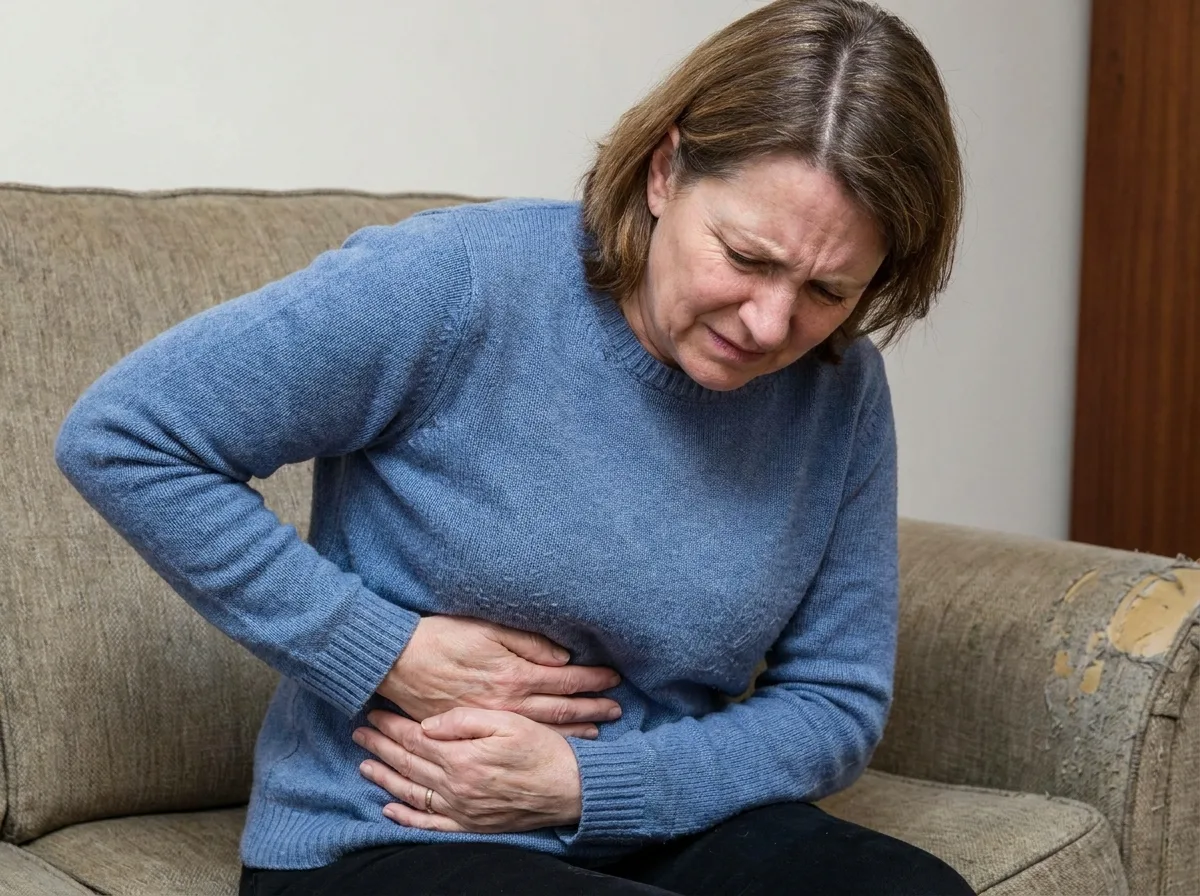
The pain is often described as sudden, intense, and difficult to ignore.
Rather than a dull ache, it's usually a deep, gripping pain that develops in the upper right side of the abdomen or just below the breastbone. Many people say it feels like someone is squeezing or twisting something inside.
Unlike ordinary stomach discomfort, changing positions rarely provides relief.
Some patients describe it as:
- A steady, severe pain that builds quickly
- A tight, cramping sensation under the ribs
- Pressure that seems to wrap around to the back
- Pain that radiates toward the right shoulder blade
- A feeling that comes in waves before becoming constant
The discomfort often begins after eating a large or fatty meal because that's when the gallbladder contracts to release bile.
Interestingly, the pain frequently starts during the evening or late at night, catching people completely off guard.
How Long Does a Gallbladder Attack Last?
A typical gallbladder attack lasts anywhere from 30 minutes to several hours.
For some people, the pain gradually fades as the stone moves away from the bile duct. Others may continue experiencing severe pain until medical treatment is received.
If the pain lasts longer than six hours, especially when accompanied by fever or vomiting, it's important not to ignore it. Persistent pain may indicate inflammation of the gallbladder, known as acute cholecystitis.
Symptoms That Often Accompany the Pain
Pain is usually the main symptom, but it rarely comes alone.
You may also experience:
- Nausea
- Vomiting
- Bloating after meals
- Excessive burping
- A feeling of fullness even after eating small amounts
- Sweating during painful episodes
- Indigestion that keeps recurring
Some people notice that these symptoms appear repeatedly over weeks or months before seeking medical advice.
Where Exactly Is the Pain?
One reason gallbladder attacks are confusing is that the pain doesn't always stay in one place.
The discomfort may begin in the upper right abdomen but can spread to:
- The center of the upper abdomen
- Between the shoulder blades
- The right shoulder
- The upper back
- Occasionally, the chest
Because of this, many people initially believe they're having muscle pain, acid reflux, or even a heart attack.
While these conditions can feel similar, it's always safest to seek urgent medical evaluation if you're unsure, especially if chest pain is severe.
What Triggers a Gallbladder Attack?
Gallbladder attacks often happen after the gallbladder is stimulated to release bile.
Common triggers include:
- Fried foods
- Cheese and full-fat dairy products
- Heavy restaurant meals
- Fast food
- Creamy desserts
- Large portions eaten quickly
That said, attacks don't always occur after eating. Some people experience symptoms during fasting or even while sleeping.
Why Do Gallstones Form?
Gallstones develop when substances in bile become unbalanced.
The most common reasons include:
- Excess cholesterol in bile
- Reduced gallbladder emptying
- High bilirubin levels
- Obesity
- Rapid weight loss
- Diabetes
- Pregnancy
- Increasing age
- Family history
Many people have gallstones without knowing it. They may never develop symptoms.
Treatment is generally recommended only when gallstones begin causing pain or complications.
When Is It More Than Just a Gallbladder Attack?
Sometimes, a blocked gallstone remains stuck instead of passing naturally.
This can lead to:
Acute Cholecystitis
The gallbladder becomes inflamed and infected, causing constant pain, fever, and tenderness.
Jaundice
If a stone blocks the common bile duct, bile cannot drain properly, leading to yellowing of the skin and eyes.
Pancreatitis
A gallstone may obstruct the pancreatic duct, triggering inflammation of the pancreas—a condition that often requires hospitalization.
These complications should never be ignored.
Warning Signs That Need Immediate Medical Attention
Seek emergency medical care if you experience:
- Severe abdominal pain lasting more than six hours
- Fever with chills
- Persistent vomiting
- Yellowing of the eyes or skin
- Dark-colored urine
- Pale stools
- Difficulty breathing because of pain
- Severe chest pain when the cause is uncertain
Prompt treatment can prevent more serious complications.
How Is a Gallbladder Attack Diagnosed?
Your surgeon will begin by discussing your symptoms and examining your abdomen.
Tests may include:
- Ultrasound, which is the most common investigation for gallstones
- Blood tests to check for infection or liver problems
- CT scan in selected cases
- MRI or MRCP if bile duct stones are suspected
Ultrasound is usually enough to identify gallstones and determine whether the gallbladder is inflamed.
Can a Gallbladder Attack Go Away on Its Own?
The pain may stop once the stone moves away from the gallbladder opening.
However, this doesn't mean the problem has disappeared.
Once you've had one symptomatic gallbladder attack, there's a significant chance of future episodes. In many patients, these attacks become more frequent and more painful over time.
Ignoring recurring symptoms can increase the risk of infection or emergency surgery later.
How Are Gallstones Treated?
Treatment depends on your symptoms.
If gallstones aren't causing any problems, your doctor may simply recommend observation.
However, when gallstones repeatedly cause pain, surgery is usually the most effective and permanent solution.
Gallbladder Removal Surgery
The standard treatment is laparoscopic cholecystectomy, a minimally invasive procedure performed through small incisions.
During surgery, the entire gallbladder is removed along with the stones inside it. This prevents future attacks because stones can no longer form within the gallbladder.
Most patients:
- Return home within a day
- Experience less postoperative discomfort
- Recover faster than with traditional open surgery
- Resume normal activities within a couple of weeks, depending on their overall health
For patients looking for Gallbladder Stones Surgery in Dubai, choosing an experienced gastrointestinal surgeon is important to ensure accurate diagnosis, safe treatment, and a smooth recovery.
Life After Gallbladder Surgery
One of the most common concerns patients have is whether they can live normally without a gallbladder.
The answer is yes.
The liver continues to produce bile after surgery. Instead of being stored in the gallbladder, bile flows directly into the intestine.
Most people return to their usual diet after recovery, although some may temporarily notice mild digestive changes as the body adjusts.
These symptoms generally improve over time.
Can Gallbladder Attacks Be Prevented?
While not every gallstone can be prevented, certain lifestyle habits may reduce your risk.
These include:
- Maintaining a healthy body weight
- Avoiding crash diets
- Eating balanced meals with adequate fiber
- Limiting foods high in saturated fat
- Staying physically active
- Managing diabetes if present
Healthy habits won't dissolve existing gallstones, but they may help lower the risk of developing new ones.
Why Choose Dr. Rajesh Nambiar?
Gallbladder disease requires careful evaluation because symptoms can overlap with several digestive conditions.
Dr. Rajesh Nambiar is an experienced gastrointestinal and laparoscopic surgeon who specializes in diagnosing and treating gallbladder disorders using advanced minimally invasive techniques. From detailed evaluation to surgical management and post-operative care, patients receive treatment focused on safety, quicker recovery, and long-term relief.
Whether you're experiencing your first gallbladder attack or recurrent symptoms, timely assessment can help prevent avoidable complications.
Final Thoughts
If you've been asking yourself, what does a gallbladder attack feel like, the answer is usually straightforward once you've experienced one—it tends to be a severe, persistent pain in the upper abdomen that often follows a meal and may spread to the back or shoulder.
Although the pain may eventually subside, repeated attacks shouldn't be dismissed as simple indigestion. Gallstones can lead to inflammation, infection, and other complications if left untreated.
If you're experiencing recurring abdominal pain or have been diagnosed with gallstones, consulting an experienced specialist is the best next step. Early diagnosis and appropriate treatment can provide lasting relief and help you return to your everyday life with confidence.