
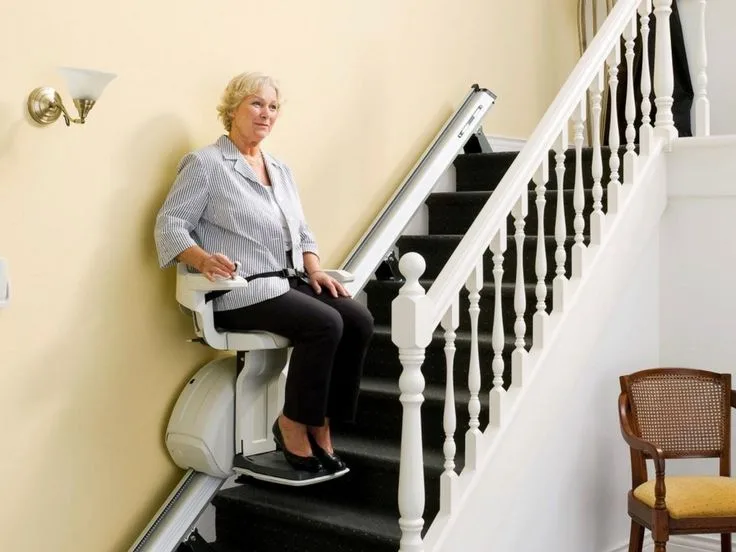
Selling an old stairlift sounds simple until you actually sit down to start the process. One of the first questions most people have is what paperwork they need to provide. Having the right documents ready before you contact a company can save you time and help you get a fair offer for your equipment. If you are planning to buy back stairlifts through a manufacturer or dealer program, here is exactly what you should gather beforehand.
Proof of Original Purchase
The most important document you can provide is your original purchase receipt or invoice. This confirms when the stairlift was bought, which model it is, and sometimes which dealer installed it. If you no longer have a physical copy, check your email inbox for a digital receipt, since many companies now send confirmations electronically. Some manufacturers can also look up your purchase using the serial number alone, so do not worry if this document is missing entirely.
Installation and Service Records
Installation records show when the stairlift was set up in your home and by whom. Service records, on the other hand, demonstrate how well the unit has been maintained over the years. A stairlift with a consistent maintenance history is far more attractive to stairlift buy back programs because it suggests fewer hidden problems. If you used a professional service company for annual checkups, ask them for a printed or emailed summary of past visits.
Serial Number and Model Information
Every stairlift has a unique serial number, usually located on the rail, motor housing, or control panel. This number helps the company identify the exact model, manufacturing date, and original specifications. Take a clear photo of this label along with a photo of the entire unit. Having this information ready before you make contact speeds up the evaluation significantly.
Warranty Documentation, If Still Valid
If your stairlift is still under warranty, this can actually increase its resale value. Warranty documents show that certain parts or labor costs remain covered, which reduces risk for the buyer. Even if the warranty has expired, keeping a copy on hand helps establish a timeline for how long the unit has been in use.
Photos and Videos Showing Current Condition
While not technically a formal document, visual proof plays a major role in the evaluation process. Take photos from multiple angles, including the seat, rail, remote control, and any visible wear. A short video showing the lift in operation, moving smoothly up and down the stairs, can also strengthen your submission. This step is especially useful if you are missing some of the paperwork mentioned above, since it gives the buyer a clear picture of functionality.
Ownership Verification
Depending on the company, you may need to confirm that you are the legal owner of the stairlift, particularly if the unit was inherited or purchased secondhand. This might involve providing a copy of a property deed, a signed statement, or previous correspondence with the original owner. This step protects both parties and ensures the transaction goes smoothly.
Why Documentation Ties Into Broader Sustainability Efforts
Refurbishing and reselling used equipment instead of scrapping it supports a growing movement toward more responsible consumption in local communities. Several businesses across the country have built entire models around giving household items a second life rather than sending them to landfills. If you are curious how this fits into a larger pattern of sustainable home living, this overview of local businesses leading the circular economy in Philadelphia highlights how organizations are rethinking the way we buy, sell, and reuse everyday household equipment, stairlifts included.
What Happens If You Are Missing Documents
Do not let missing paperwork stop you from reaching out. Most buy back programs understand that homeowners do not always keep every receipt for years. In these cases, companies typically rely on a phone consultation, photos, and a physical inspection to determine eligibility and value. Being upfront about what you do and do not have will help the process move forward without unnecessary delays.
A Simple Checklist Before You Apply
- Original purchase receipt or invoice
- Installation date and technician details, if available
- Service and maintenance records
- Serial number and model photos
- Warranty documents, if still active
- Recent photos or video of the unit in operation
- Proof of ownership, especially for secondhand units
Going through this checklist before you contact a buy back program puts you in a stronger position. You will likely receive a faster response, a more accurate quote, and a smoother overall experience.
Keeping Records Organized for Future Transactions
Even if you are not selling your stairlift right away, it is smart to keep purchase receipts, service records, and warranty information in one place, whether that is a physical folder or a labeled digital folder on your computer. This small habit saves considerable time whenever you do decide to sell, request repairs, or file an insurance claim. It also gives you a clearer picture of the total cost of ownership over the years, which can be useful information when comparing new equipment down the road.
Final Thoughts
Gathering the right documents is one of the easiest ways to make your stairlift buy back experience quick and stress-free. From purchase receipts to service records and clear photos, each piece of information helps the buyer assess your equipment accurately. Even if some paperwork is missing, most programs can still work with you through alternative verification methods. Taking a little time to organize these details upfront pays off with a smoother transaction and a fairer offer.