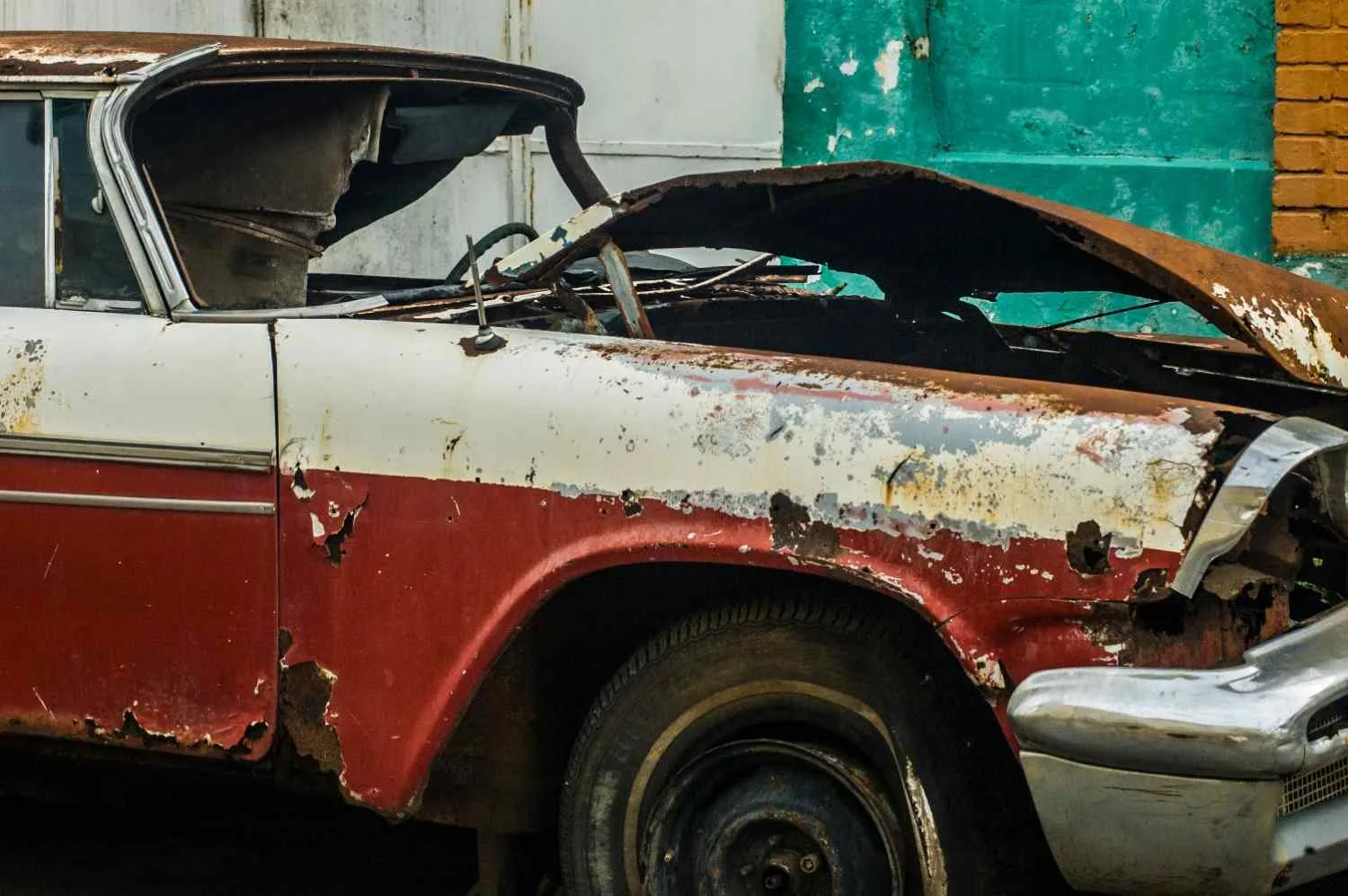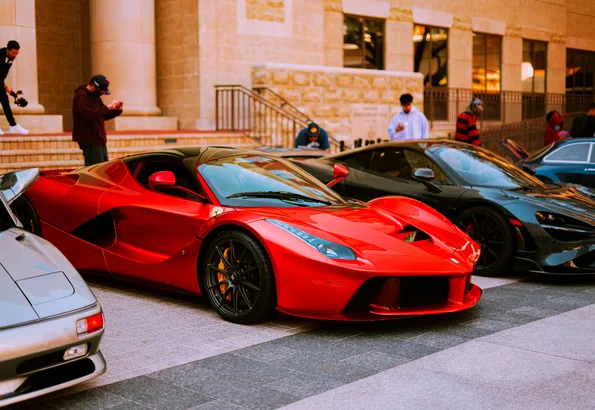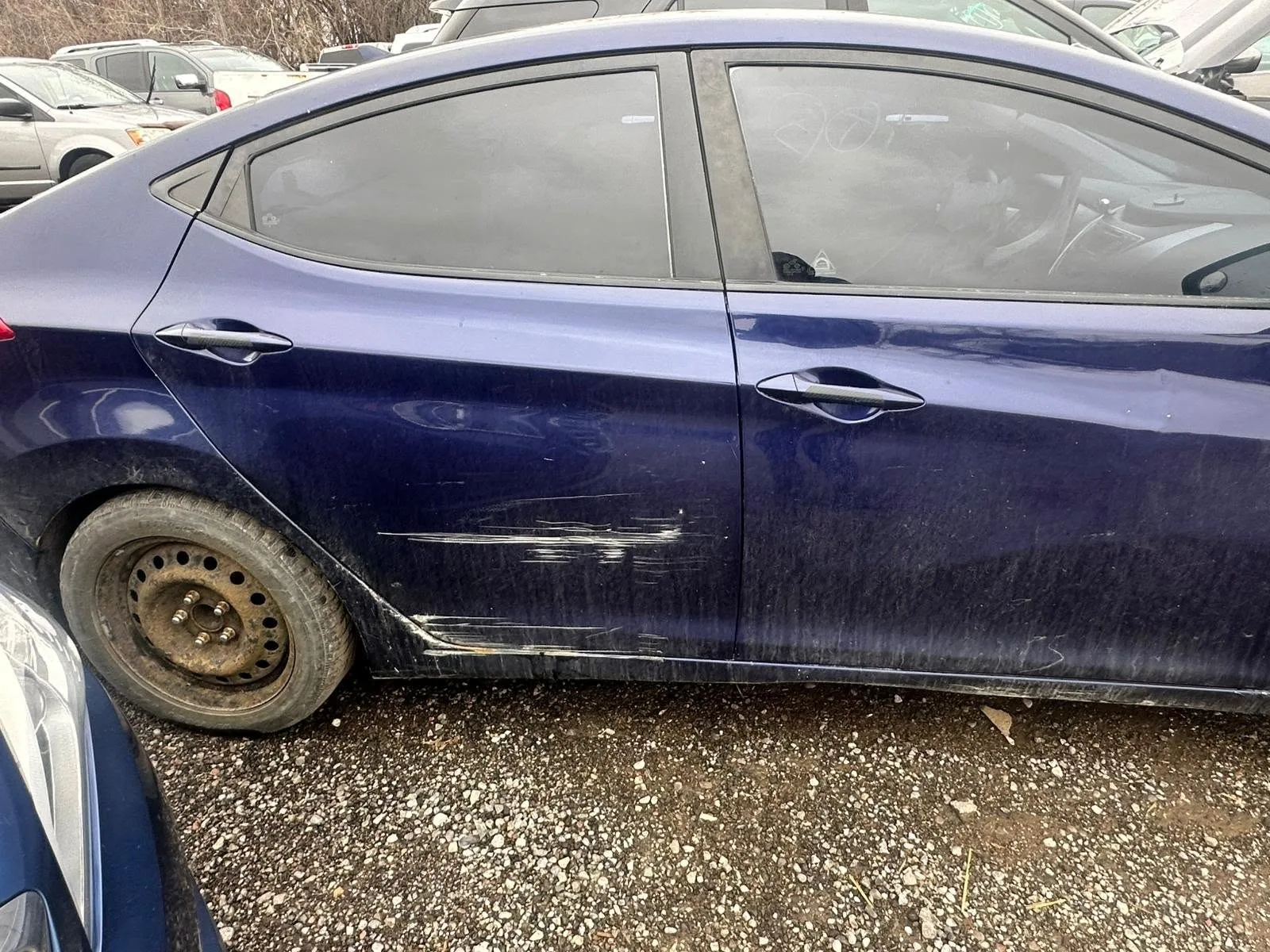
A scrap car's value comes down to three core things: its weight, the current price of scrap metal, and its condition — including whether high-value parts like the catalytic converter are still intact. Everything else, from make and model to where you live, only shifts the number around the edges. Understanding these factors before you call a scrapyard is the difference between accepting the first offer and knowing whether it's actually fair.
Here's exactly what goes into that number, and how to make sure you're not leaving money on the table.
The Three Factors That Matter Most
1. Vehicle Weight
Scrap cars are priced by the tonne, not by make, model, or sentimental value. The heavier your car, the more recoverable steel and aluminium it contains, and the more it's worth. A large SUV or van will start from a higher baseline than a small hatchback simply because there's more metal to recycle.
2. Current Scrap Metal Prices
Scrap car value is closely tied to global commodity markets for steel, aluminium, and copper. When industrial demand rises — a construction boom in China, for instance, or a shortage in steel supply — scrap metal prices climb, and so does your payout. Because these rates shift daily, a quote from last month may already be out of date. It's worth checking current scrap metal prices before accepting an offer.
3. Condition and Completeness
A complete, intact vehicle is worth more than one that's been stripped for parts. Removing the battery, stereo, or spare wheel to sell separately often does more harm than good — a missing engine or gearbox can cause a scrapyard to cut its quote sharply, since incomplete vehicles are harder and slower to process.
The Hidden Factor Most Owners Miss: The Catalytic Converter
The single most valuable component in most cars isn't the engine — it's the catalytic converter. It contains small amounts of platinum, palladium, and rhodium, precious metals that can account for a significant share of your car's total scrap value. An original factory-fitted converter is worth considerably more than a cheap aftermarket replacement, which typically lacks the same precious metal content.
Secondary Factors That Still Move the Price
Beyond the core three, a handful of other things can nudge your quote up or down:
- Make and model — Popular models with strong demand for second-hand parts (think Volkswagen Golf or BMW 3 Series) can fetch more than their weight alone would suggest, because dealers can resell salvageable components.
- Local demand and location — Urban areas with more scrapyards and competition, like London, tend to offer stronger prices than rural areas where collection costs eat into the quote.
- Collection distance — A yard that has to travel further to collect your car may factor that cost into the offer, unless they provide free collection.
- MOT and mechanical history — A car that's failed its MOT for a fixable fault is still worth full scrap value; the paperwork itself doesn't reduce the metal weight, but severe mechanical failure can affect how much of it is salvageable for parts.
Typical UK Scrap Value Ranges
Vehicle TypeTypical Scrap ValueSmall hatchback (e.g. Ford Fiesta)£150–£250Mid-size car (e.g. Ford Focus, Vauxhall Astra)£200–£350Large SUV or estate£400–£600Van or heavier commercial vehicle£400–£800+These figures move with the metal market, so treat them as a starting point rather than a guarantee — current scrap car prices will always reflect the day you get your quote.
How to Make Sure You're Getting a Fair Price
- Get more than one quote. Prices genuinely vary between yards, sometimes significantly, for the exact same car.
- Check the metal market before you commit. If prices are trending up, waiting a few days (if your car allows it) could mean a better offer.
- Keep the car intact. Resist the temptation to sell parts individually before scrapping — you'll likely lose more from the reduced scrap quote than you'd gain.
- Use an Authorised Treatment Facility (ATF). This isn't just about getting a fair price — it's a legal requirement, and it ensures you receive a Certificate of Destruction for the DVLA.
- Ask if collection is free. A "great" quote that comes with a hidden pickup fee often isn't better than a slightly lower quote with free collection included.
For a deeper breakdown of exactly how these variables play out for London drivers specifically — including how the ULEZ expansion has affected local scrap volumes and pricing — Brits Car Breakers' guide to the factors affecting scrap car prices in London covers it in detail, along with tips for getting the best local offer. If your car still has resalable parts rather than pure scrap value, it's also worth looking into car dismantling and recycling services, which sometimes pay more than a straight scrap quote.
Frequently Asked Questions
What is the single biggest factor in scrap car value?
Vehicle weight, combined with the current price of scrap metal, forms the baseline for almost every quote. Everything else adjusts that starting figure up or down.
Does the catalytic converter really make a big difference?
Yes. It can represent a substantial share of a scrap car's total value because of the small amounts of precious metals it contains, particularly if it's an original factory part.
Will removing parts before scrapping get me more money overall?
Usually not. Selling parts separately can reduce the scrap quote by more than you'd earn from the individual sales, since scrapyards pay less for incomplete vehicles.
Do scrap car prices change over time?
Yes, they fluctuate daily based on global scrap metal markets, so a quote is typically only valid for a short window.
Does my car's location affect its scrap value?
Slightly. Urban areas with more scrapyard competition often see stronger prices, while remote locations may see the offer reduced to cover collection costs.
Is a written-off or non-running car still worth scrapping?
Yes. Scrap value is based on weight and metal content, not whether the car runs, so a non-running or written-off vehicle still holds scrap value.