Many property owners rely on ducted heating systems to maintain comfortable indoor temperatures during cooler months. However, even well-maintained systems can develop faults over time, creating the need for ducted heating repair Melbourne. The reasons behind heating system failures can vary, ranging from normal wear and tear to issues caused by poor airflow and neglected maintenance.
One factor often linked to airflow-related concerns in commercial environments is the condition of ventilation systems and the use of commercial dryer duct cleaning equipment. Proper airflow management across a building's duct network can contribute to better system performance and reduce unnecessary strain on heating components.
Ageing Heating Components
Like any mechanical system, ducted heating units experience natural wear over time. Motors, fans, belts, ignition systems and electronic controls can gradually deteriorate after years of operation. Older systems often work harder to achieve the desired temperature, increasing the likelihood of repairs.
As components age, efficiency decreases, and minor faults can quickly develop into larger mechanical issues if left unaddressed.
Blocked or Restricted Ductwork
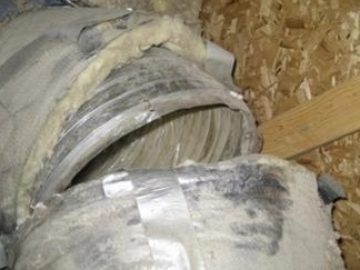
Ductwork serves as the pathway that distributes warm air throughout a property. Over time, dust, debris and other contaminants can accumulate within the ducts, restricting airflow.
When airflow becomes limited, the heating unit must operate for longer periods to maintain comfort levels. This additional workload can place stress on critical components and increase the risk of system failure. In commercial settings, large duct networks are particularly susceptible to airflow restrictions.
Dirty Air Filters
Air filters play an important role in protecting heating systems from airborne particles. When filters become clogged, airflow is reduced, and the system struggles to operate efficiently.
Dirty filters can contribute to:
- Uneven heating throughout the building
- Increased energy consumption
- Higher operating temperatures within the unit
- Premature wear on mechanical components
Regular filter inspections help minimise these issues and support system performance.
Faulty Thermostats and Controls
Modern ducted heating systems rely on thermostats and electronic controls to regulate indoor temperatures. Faulty sensors, damaged wiring or malfunctioning control units can result in inaccurate temperature readings.
Common signs include:
- Rooms feel too hot or too cold
- Frequent cycling on and off
- Inconsistent heating performance
- Difficulty reaching desired temperatures
Even when the heating unit itself is functioning correctly, control system faults can create the appearance of a major heating problem.
Gas Supply and Ignition Issues
Many ducted heating systems in Melbourne operate using natural gas. Problems with gas valves, pilot lights or ignition systems can prevent the unit from generating heat effectively.
These issues often require professional diagnosis, as gas-related components are critical to both system performance and occupant safety.
A faulty ignition system may cause the heater to fail entirely or operate intermittently, particularly during periods of high demand.
Seasonal Demand and Increased Usage
Melbourne’s colder months place significant demands on heating systems. After remaining unused during warmer seasons, dormant faults may become noticeable once the system resumes regular operation.
Heavy seasonal usage can expose weaknesses in:
- Motors
- Fan assemblies
- Electrical connections
- Duct seals
- Heating elements
Many repair requests occur shortly after heating systems are switched back on for winter.
If your heating system is showing signs of reduced performance, arranging a professional assessment can help identify issues early and maintain comfortable indoor temperatures throughout Melbourne’s cooler seasons.