Melbourne's booming technology sector and diverse workforce mean that countless residents and businesses depend on reliable computers for work, education, and daily operations. Logan, a suburban area in Melbourne's outer east, is home to families, students, and small business owners who rely on computer systems that function smoothly without interruption. When computer errors occur frequently, they disrupt productivity, create frustration, and can lead to data loss or security vulnerabilities. Computer errors range from minor annoyances like occasional crashes to serious problems like system failures that prevent your computer from operating at all. Understanding what causes these errors is essential for maintaining a healthy, functional computer system. If you're experiencing persistent computer errors and aren't sure what's causing them, seeking professional help through computer repairs Logan services can identify the root causes and implement lasting solutions.
Understanding Computer Errors
There's nothing more frustrating than encountering frequent error messages, unexpected crashes, or system freezes that interrupt your work and destroy your productivity. Computer errors can manifest in countless ways—blue screens of death, application crashes, error pop-ups, system freezes, or complete failure to boot. Each type of error provides clues about what's going wrong inside your system, but without proper diagnostics, identifying the specific cause is challenging.
Computer errors don't happen randomly. They're symptoms of underlying problems within your hardware, operating system, drivers, or software. Some errors result from simple issues you can fix yourself, while others require professional expertise to diagnose and resolve properly. The frequency and severity of errors indicate how urgent the problem is. A single error might be a temporary glitch, but frequent errors indicate a persistent problem that will worsen if not addressed. When errors keep recurring despite basic troubleshooting, professional assessment becomes necessary. A qualified technician can perform comprehensive diagnostics to identify what's causing your errors and implement appropriate fixes. For residents of Logan experiencing persistent computer errors, professional computer repairs Logan services can save you time and frustration by identifying and resolving problems quickly and effectively.
Common Causes of Frequent Computer Errors
Corrupted or Outdated DriversYour computer's drivers are software that allows Windows to communicate with hardware components. When drivers become corrupted, outdated, or incompatible with your operating system, they cause errors and system instability. Graphics drivers, network drivers, chipset drivers, and audio drivers all impact system stability. Outdated drivers are particularly problematic because new software often requires updated driver versions to function properly.
Driver issues frequently cause blue screen errors, device failures, or application crashes. Updating drivers to the latest versions often resolves mysterious error messages and system instability.
Malware and Virus InfectionsMalware, viruses, and potentially unwanted programs are silent system killers. They consume system resources, corrupt files, interfere with normal operations, and cause frequent errors. Many people don't realize their computer is infected because symptoms are subtle—gradual performance degradation and increasingly frequent errors rather than dramatic failures.
Malware-related errors are particularly insidious because the malware actively works to hide itself from detection. Standard error messages might not clearly indicate malware as the cause, making diagnosis difficult without specialized scanning tools.
Insufficient Hard Drive SpaceWhen your hard drive fills up to 85-90% capacity, Windows struggles to operate normally. The operating system needs free space for temporary files, virtual memory, system processes, and general operations. A nearly full drive causes errors, slowdowns, and system instability. Files might fail to save, applications might crash, and your computer might display error messages about insufficient disk space.
Clearing unnecessary files and freeing up drive space often resolves errors caused by capacity issues.
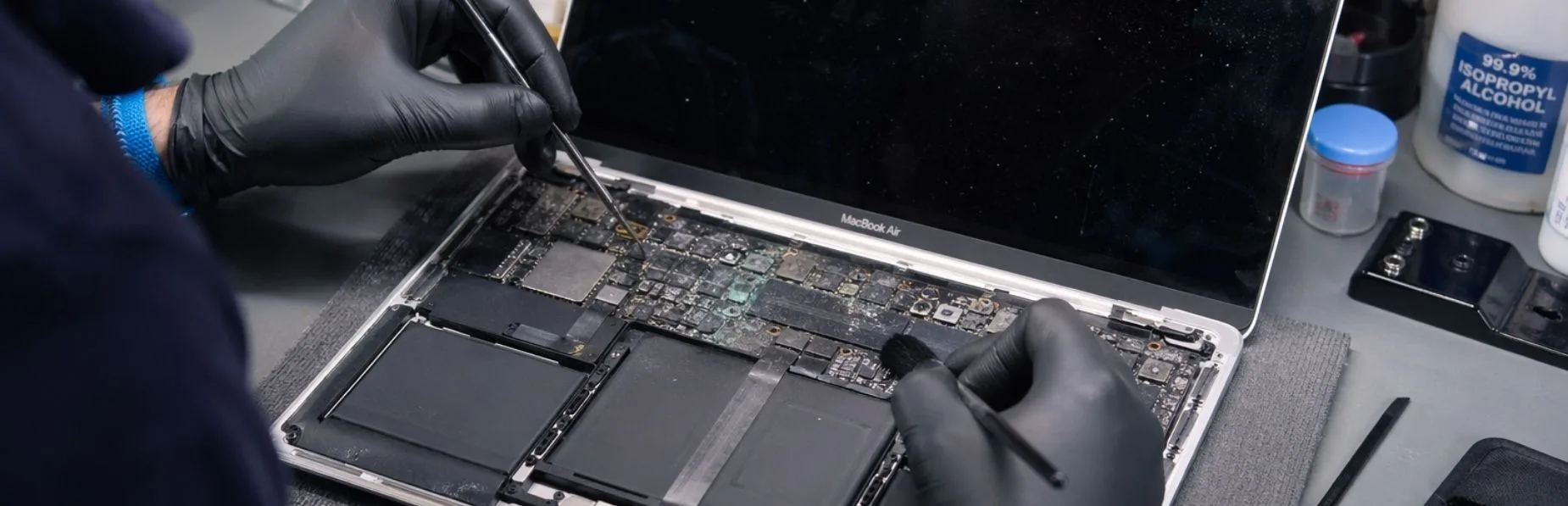
Failing or Aging Hard DriveAs hard drives age, mechanical components deteriorate and failures become more likely. A failing hard drive might produce clicking or grinding sounds, cause frequent errors, or fail to respond to read/write requests. These errors might appear intermittently at first, then with increasing frequency as the drive continues to deteriorate.
A hard drive failure is serious because it threatens all your data. Professional diagnostics can determine whether your drive is truly failing or whether errors are caused by something else.
Inadequate RAM or Memory IssuesIf your computer doesn't have enough RAM (random access memory) to run your applications and operating system simultaneously, it struggles and produces errors. Running too many applications, using memory-intensive software, or having insufficient RAM causes system strain that manifests as crashes and error messages.
Similarly, faulty RAM modules can cause memory-related errors. These errors often appear during intensive operations when maximum memory is being utilized.
Overheating ComponentsWhen your computer's internal components overheat, the system generates errors as a protective mechanism. Overheating causes the CPU to throttle performance, trigger thermal warnings, or shut down completely. Dust accumulation in cooling systems, failing fans, or poor ventilation contribute to overheating problems.
Heat-related errors often occur during resource-intensive operations like gaming, video editing, or large file transfers that push your system to maximum capacity.
Windows Registry CorruptionYour Windows registry is a database containing system settings and configuration information. When registry entries become corrupted—through malware, failed updates, or improper software uninstallation—Windows generates errors and becomes unstable. Registry corruption can cause startup errors, application crashes, or general system instability.
Registry problems require careful handling because incorrect registry modifications can render your system unbootable.
Software Conflicts and IncompatibilityWhen you install software that conflicts with existing programs or isn't compatible with your Windows version, errors result. Some applications overwrite important system files, others conflict with security software, and some simply aren't designed for your specific Windows version.
Recently installed software is often the cause of newly appearing errors, suggesting a conflict or compatibility issue.
A Local Logan Story: Amanda's Error Resolution
Amanda, a freelance consultant in Logan, was driven to frustration by constant error messages appearing on her computer throughout the day. Her applications crashed unexpectedly, Windows displayed cryptic error codes, and her system became increasingly unstable. She tried updating Windows, running antivirus scans, and disabling recently installed software, but errors persisted. Desperate for a solution, Amanda visited Computer Cures for professional diagnostics. The technician quickly identified multiple problems: outdated graphics drivers, a partially failed hard drive causing read errors, and RAM modules not seated properly in their slots. After updating drivers, replacing the failing drive, and reseating RAM, Amanda's computer ran flawlessly. "I can't believe how many problems were contributing to the errors," Amanda recalls. "Computer Cures diagnosed everything properly and fixed it all without data loss. My computer is stable and reliable again."
Practical Solutions You Can Try at Home
Update Windows and DriversGo to Settings > Update & Security and check for Windows updates. Install all available updates. Visit your hardware manufacturer's website and download the latest drivers for your motherboard, graphics card, network adapter, and other components. Updating drivers often resolves mysterious error messages.
Run Antivirus and Malware ScansUse Windows Defender or reputable antivirus software to perform comprehensive system scans. Remove any detected threats. Consider running a secondary malware scan with Malwarebytes to catch threats standard antivirus might miss.
Free Up Hard Drive SpaceDelete unnecessary files, empty the recycle bin, and remove programs you don't use. Use Disk Cleanup utility to remove temporary files and system caches. Aim to keep at least 15-20% of your drive free for optimal performance.
Check for OverheatingFeel your computer case and listen for fan noise. If it's excessively hot, ensure vents are unobstructed and fans are running. Use temperature monitoring software to check component temperatures during operation. Shut down and let your computer cool if overheating is suspected.
Monitor RAM and System ResourcesUse Task Manager to check how much RAM is being used. If RAM usage is consistently near maximum, you might need to upgrade or close unnecessary applications. Check which processes are consuming excessive resources and disable or uninstall them if not needed.
Check Hard Drive HealthUse manufacturer diagnostic tools or third-party software like CrystalDiskInfo to check your hard drive's health status. If errors indicate hard drive problems, back up your data immediately and plan for replacement.
Disable Startup ProgramsOpen Task Manager, go to the Startup tab, and disable programs you don't need running automatically. Too many startup programs consume resources and can cause errors.
When to Seek Professional Help
If errors persist despite trying these solutions, or if you suspect hardware failure, professional diagnosis is necessary. Technicians can run comprehensive diagnostics to identify exactly what's causing your errors. They can safely handle component replacement, perform complex repairs, and ensure your system is optimized for stable operation.
Professional services can identify issues like failing drives, incompatible drivers, or complex malware infections that DIY approaches miss. They can also perform data recovery if a drive failure occurs.
Preventative Measures for Stable Computing
Keep Windows and drivers updated automatically. Run regular antivirus and malware scans. Maintain adequate hard drive free space. Monitor system temperature and ensure proper ventilation. Clean internal components quarterly using compressed air. Back up important data regularly. Avoid installing unnecessary software from untrusted sources. Close applications you're not using to free system resources.
Conclusion
Frequent computer errors are frustrating, but they're usually fixable once you identify the underlying cause. Whether your errors result from outdated drivers, malware infections, hardware failure, or software conflicts, solutions exist to restore your system to stable operation. Logan residents experiencing persistent computer errors should start with basic troubleshooting and maintenance, but don't hesitate to seek professional computer repairs Logan services for diagnosis and repair. With proper attention and expert help when needed, you can eliminate errors and enjoy a reliable, stable computing experience once again.