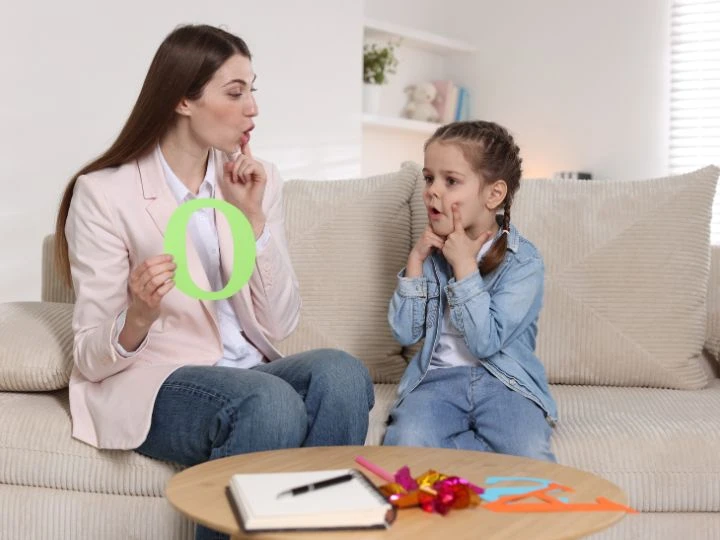
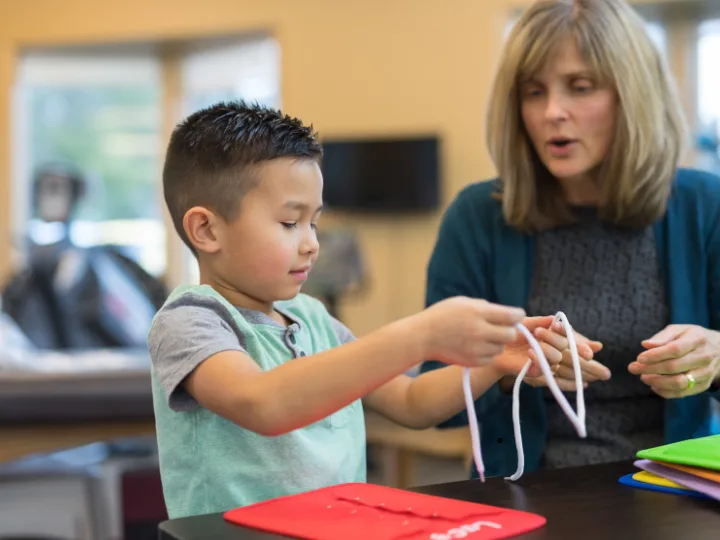
Children develop skills at different rates, and some may need extra support to participate comfortably in everyday activities. Occupational therapy can assist children with practical skills that are important at home, school and during play. Support is tailored to the child’s abilities, needs, interests and daily routines.
A paediatric occupational therapist sydney can help families understand challenges affecting a child’s participation and develop practical strategies to address them. Support may focus on areas such as fine motor development, self care, sensory processing, coordination, school participation, emotional regulation and everyday independence.
Building Everyday Independence
Daily routines involve many skills that children gradually learn as they grow. Some children may require additional practice and support to complete these activities more independently.
Personal Care Skills
Occupational therapy may support children with activities such as dressing, brushing their teeth, using the toilet, washing their hands and managing clothing fasteners. Professionals can break activities into manageable steps so children can practise each part at a suitable pace.
Mealtime Activities
Using cutlery, drinking from a cup and remaining comfortable during meals can involve coordination, sensory responses and motor skills. Suitable activities can help children develop greater confidence with these everyday tasks.
Developing Fine Motor Skills
Fine motor abilities are needed for many activities involving the hands and fingers. Difficulties in this area can affect both home routines and classroom participation.
Handwriting and Drawing
Children may need support with pencil control, hand strength, grip and coordination. Occupational therapy activities can help develop the skills needed for drawing, writing and other classroom tasks.
Using Everyday Tools
Cutting with scissors, opening containers, manipulating small objects and using craft materials all require controlled hand movements. Practising these skills through age appropriate activities can help children become more capable during everyday tasks.
Supporting Sensory Processing
Some children respond differently to sounds, textures, movement, lights or other sensory experiences. These responses may affect how comfortably they participate in particular environments.
Recognising Sensory Preferences
Professionals can work with families to identify situations that may be difficult for a child. Understanding patterns in sensory responses can help families consider suitable ways to make routines more manageable.
Managing Everyday Environments
Strategies may focus on helping children participate in activities while considering their individual sensory needs. Suggestions can be relevant to home, school, community settings and other familiar environments.
Improving Movement and Coordination
Movement skills contribute to dressing, playing, climbing, writing, using classroom equipment and participating in physical activities.
Gross Motor Activities
Children may work on balance, body awareness, coordination and controlled movement through suitable activities. These skills can support participation in playground activities and other physical tasks.
Motor Planning
Some children find it difficult to work out how to complete a new physical activity. Occupational therapy can provide opportunities to practise sequencing and planning movements in an engaging way.
Supporting School Participation
School involves more than academic learning. Children also need to manage classroom routines, organise materials, interact with others and participate in practical activities.
Classroom Skills
Occupational therapy may support skills such as sitting for activities, using classroom tools, handwriting, managing school materials and following familiar routines.
Organisation and Routines
Some children benefit from strategies that make transitions and daily classroom expectations easier to manage. Visual supports, structured routines and practical strategies may be considered according to the child’s needs.
Encouraging Play and Social Participation
Play gives children opportunities to practise communication, movement, problem solving and social skills. Difficulties with participation can sometimes make certain play situations challenging.
Developing Play Skills
Professionals may use activities that encourage turn taking, following simple rules, using toys appropriately and exploring different ways of playing.
Building Confidence
A child may become more willing to participate when activities are introduced at an appropriate level of challenge. Encouragement and gradual practice can help children engage with unfamiliar tasks.
Supporting Emotional Regulation
Some children can find it difficult to manage frustration, changes in routine or overwhelming situations. Occupational therapy may explore practical strategies that support participation and regulation.
Recognising Triggers
Parents and professionals can look at situations where a child becomes overwhelmed or has difficulty continuing with an activity. Identifying patterns can provide useful information when planning support.
Creating Practical Strategies
Strategies may involve changes to routines, activity structure or the environment. These approaches should be tailored to the child rather than applied in exactly the same way to every family.
Working With Families
Family involvement can be valuable because many occupational therapy goals relate directly to everyday life.
Home Based Practice
Professionals may recommend simple activities that can be incorporated into existing routines. Practising skills naturally during dressing, meals, play or school preparation can help children apply developing abilities in familiar situations.
Reviewing Progress
Children’s needs can change as they grow. Regularly reviewing goals can help ensure that support remains relevant to current priorities and everyday activities.
Frequently Asked Questions
What does a paediatric occupational therapist help children with?
A paediatric occupational therapist can support areas such as self care, fine motor skills, coordination, sensory processing, school participation, play, emotional regulation and everyday independence.
When should parents consider occupational therapy?
Parents may consider occupational therapy when a child experiences ongoing difficulties with everyday activities, school participation, movement, sensory experiences or independence.
Can occupational therapy support children at school?
Yes. Occupational therapy may address skills connected with handwriting, classroom tools, organisation, routines, movement and participation in school activities.
Are parents involved in children’s occupational therapy?
Parents and carers can provide valuable information about everyday challenges and may receive practical strategies to support skill development at home.