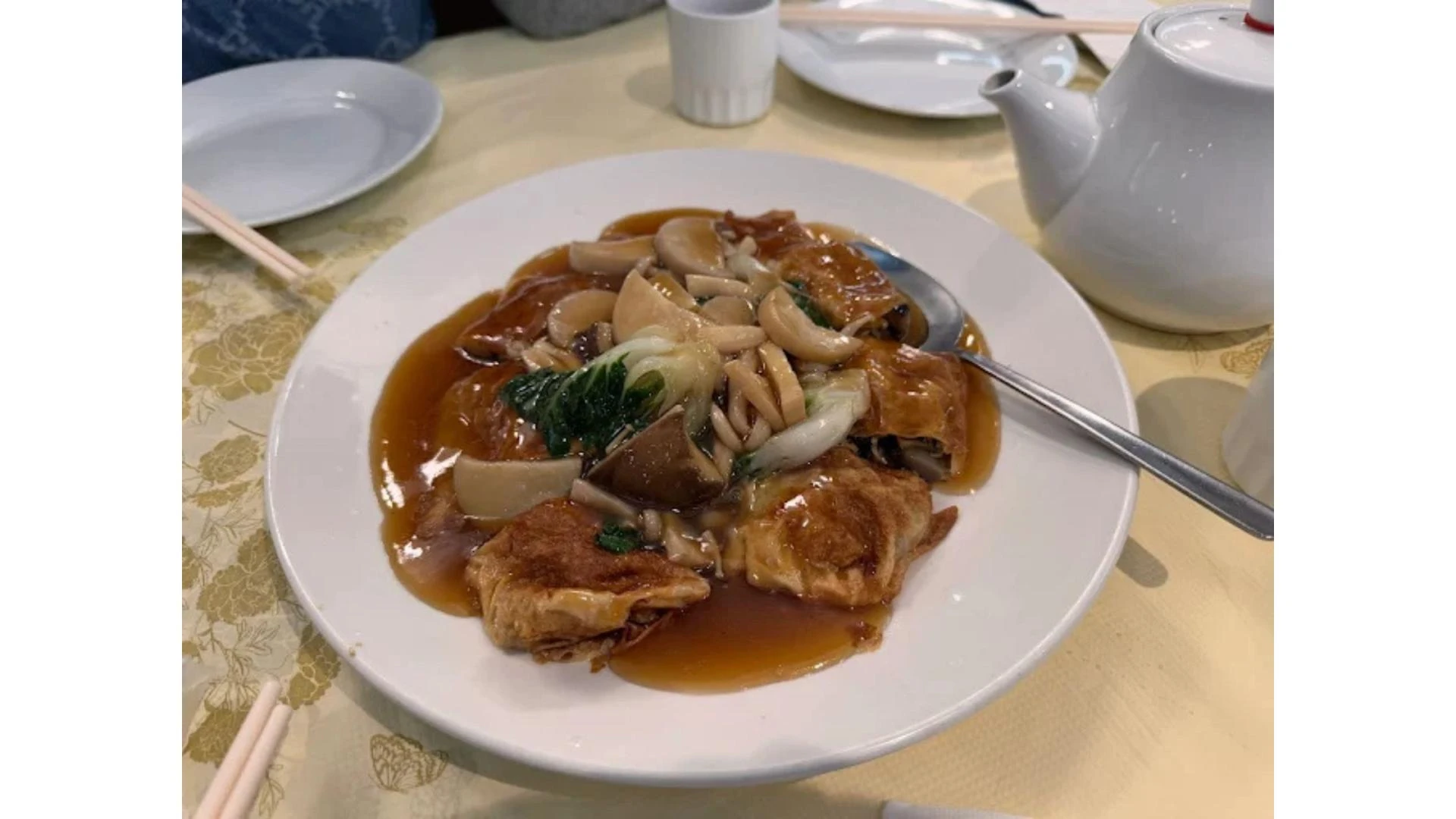
Food can make us feel safe, warm, and happy, even on a busy day in a big city. In New York City, people rush everywhere, and the streets are loud and full of cars. But when you walk into a congee restaurant in NYC, everything feels calmer.
The smell of warm rice, the sound of spoons in bowls, and the gentle steam rising from food can make anyone slow down. This kind of place teaches us something important about Asian comfort food and why it matters to people of all ages.
What Comfort Food Really Means
Comfort food is not fancy food. It is food that makes you feel better inside. When you are tired, sick, or sad, comfort food can help. Many Asian comfort foods are soft, warm, and easy to eat. Congee is a good example.
It is made by cooking rice with water for a long time until it becomes creamy and smooth. People eat it for breakfast, dinner, or when they do not feel well. It feels like a warm hug in a bowl.
Asian comfort food is also about care. Parents make it for children. Grandparents make it for families. It shows love without needing big words. That is why these foods are so special.
Simple Food Can Be Very Powerful
In Chinatown, many foods are simple but full of meaning. A bowl of rice or noodles may look plain, but it has a long story behind it. Families have cooked these meals for many years. They use what they have and make it taste good. This teaches us that food does not need to be expensive to be important.
One famous comfort food is fried rice. Many people love fried rice in Chinatown style because it is warm, filling, and tasty. It is often made with leftover rice, eggs, and small pieces of meat or vegetables.
This shows how people learned to waste nothing and still make something delicious. For kids and adults, it feels familiar and friendly, like something you have eaten many times before.
Noodles That Make People Smile
Another big part of Asian comfort food is noodles. Long noodles are fun to eat and easy to share. In Chinatown, many people talk about finding the best noodles in Chinatown has to offer. Some noodles are soft and swim in soup. Others are chewy and covered in sauce. No matter how they are cooked, noodles often bring people together.
Families sit at round tables and share bowls. Friends laugh while trying not to splash soup. Even strangers feel welcome when they sit close and eat the same food. This shows kids that food is not just for filling your stomach. It is also for sharing moments and making memories.
Old Traditions and New Ideas
Food changes as people change. Today, some chefs take old recipes and give them new looks. A modern Chinese restaurant in NYC diners enjoy might serve congee with new toppings or cook noodles in a different way. The food may look different, but the heart of it stays the same.
This teaches us that traditions do not have to disappear when something new is made. They can grow and still keep their meaning. Kids can learn that it is okay to try new things while respecting where they come from.
Why These Foods Matter So Much
Asian comfort food helps people feel at home, even if they are far from where they were born. For many families, these dishes remind them of their parents and grandparents. For others, they are a new and happy discovery. Either way, the food helps people feel connected.
In a busy city, having a quiet meal can be very important. Sitting down with a warm bowl of food helps people rest their minds. It reminds everyone that slowing down is okay. Comfort food teaches patience because it often takes time to cook. It also teaches kindness because it is often made to help someone feel better.
What We Learn in the End
A small restaurant with simple food can teach big lessons. From a warm bowl of congee to rice and noodles shared at a table, Asian comfort food shows us how care, sharing, and tradition work together. These meals help people feel calm, safe, and understood. That is why restaurants chinese food places are loved by so many people. They do more than feed the body. They feed the heart and remind us that comfort can be found in the simplest things.