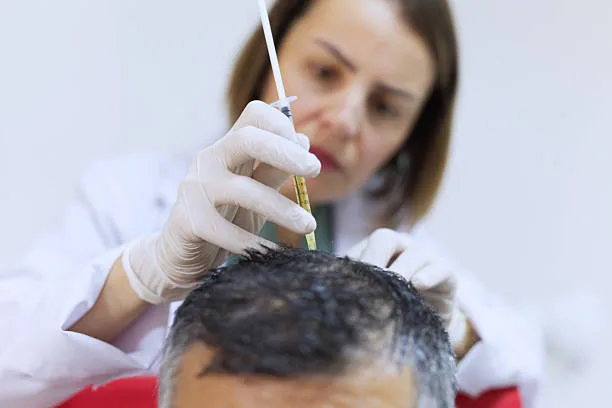

When facing a skin cancer diagnosis, treatment decisions often involve balancing effectiveness with comfort and recovery. Many patients look for options that avoid extensive surgery while still targeting cancerous cells with precision. One option gaining attention is SRT Treatment For Skin Cancer, a non-invasive approach that uses targeted radiation to treat certain forms of skin cancer. While the procedure offers several advantages, understanding its potential side effects is equally important. Learning what to expect before, during, and after treatment helps you prepare for a smoother recovery and make informed healthcare decisions.
Understanding SRT and How It Works
Superficial Radiation Therapy, commonly called SRT, delivers low-energy radiation directly to cancerous skin tissue. The treatment focuses on the affected area while minimizing exposure to surrounding healthy structures.
Unlike surgical procedures, SRT does not involve incisions, stitches, or extensive downtime. Treatment sessions are typically spread across several weeks, allowing radiation to gradually destroy abnormal cells. Because the process is highly targeted, many patients experience manageable side effects compared to more invasive treatment options.
Common Skin Reactions During Treatment
The most frequently reported side effects involve temporary skin changes. Since radiation is directed toward the skin's surface, treated areas often react similarly to a mild sunburn.
Patients may notice:
* Redness
* Dryness
* Mild swelling
* Skin sensitivity
* Flaking or peeling
These reactions generally develop gradually as treatment progresses. In most cases, symptoms remain localized to the treatment site and improve after therapy ends. Proper skincare guidance from medical professionals often helps reduce discomfort and support healing.
More advanced facilities that also provide Skin Laser Treatment in Riverside, La Quinta often emphasize personalized skin management plans to help patients maintain skin health during recovery.
Temporary Changes in Skin Appearance
Beyond redness and irritation, SRT may cause noticeable cosmetic changes in the treated area. Skin can appear lighter or darker than the surrounding tissue for several months.
Possible appearance-related effects include:
* Hyperpigmentation
* Hypopigmentation
* Mild textural changes
* Increased dryness
* Temporary discoloration
These changes usually become less noticeable over time. However, individual healing responses vary depending on skin type, age, treatment location, and overall health.
Patients who carefully follow post-treatment recommendations often experience better cosmetic outcomes and improved long-term skin appearance.
Fatigue and General Recovery Effects
Although SRT treatment for skin cancer targets a small area of the body, some individuals report mild fatigue during treatment. This side effect is generally less severe than the fatigue associated with radiation therapies used for internal cancers.
Fatigue may occur because the body uses additional energy to repair affected tissues. Factors such as stress, disrupted sleep, and frequent medical appointments may also contribute.
Helpful strategies include:
* Maintaining a consistent sleep schedule
* Staying hydrated
* Eating balanced meals
* Engaging in light physical activity
* Managing stress levels
Most patients find that energy levels gradually return to normal after treatment is completed.
Rare Long-Term Side Effects
Serious complications from SRT treatment for skin cancer are relatively uncommon, but long-term effects may occasionally occur. The likelihood depends on treatment dosage, skin sensitivity, and individual healing characteristics.
Potential long-term concerns include:
* Persistent skin discoloration
* Thinning of the skin
* Small visible blood vessels
* Minor scarring
* Increased sensitivity in treated areas
Healthcare providers typically monitor patients throughout the treatment process to identify and address any developing concerns early.
Individuals exploring treatment alternatives often compare SRT with options such as advanced dermatology mohs surgery, particularly when evaluating effectiveness, cosmetic outcomes, and long-term management strategies.
Factors That Influence Side Effects
Not every patient experiences side effects in the same way. Several factors influence treatment response and recovery outcomes.
These factors include:
* Size of the treatment area
* Cancer location
* Skin type
* Age
* Existing medical conditions
* Overall immune function
Patients with sensitive skin may notice more visible irritation, while others experience only minor changes. Open communication with healthcare professionals allows side effects to be managed effectively throughout treatment.
Additionally, practices that offer services such as skin laser treatment in Riverside La Quinta often stress the importance of ongoing skin monitoring, which can support healthier recovery and long-term skin maintenance.
Managing Side Effects Effectively
Proper aftercare plays a significant role in minimizing discomfort and promoting healing. Patients are typically advised to protect treated skin from excessive sunlight and avoid harsh skincare products.
Recommended care practices often include:
* Using gentle cleansers
* Applying approved moisturizers
* Avoiding excessive scratching
* Wearing protective clothing
* Following medical instructions consistently
Early reporting of unusual symptoms allows healthcare providers to make timely adjustments when necessary. Many side effects remain manageable when addressed promptly.
For patients considering various skin cancer treatment methods, comparisons between radiation-based approaches and Advanced Dermatology Mohs Surgery may help clarify which option aligns best with personal goals and medical needs.
Conclusion
Understanding potential side effects is an essential part of evaluating any cancer treatment. While redness, irritation, pigmentation changes, and mild fatigue may occur, most reactions associated with SRT treatment are temporary and manageable. Long-term complications remain relatively uncommon when treatment is carefully planned and monitored. By learning about the recovery process and maintaining realistic expectations, you gain greater confidence in navigating your treatment journey. The more informed you become about SRT treatment for skin cancer, the better prepared you are to discuss options and make decisions that support both your health and quality of life.