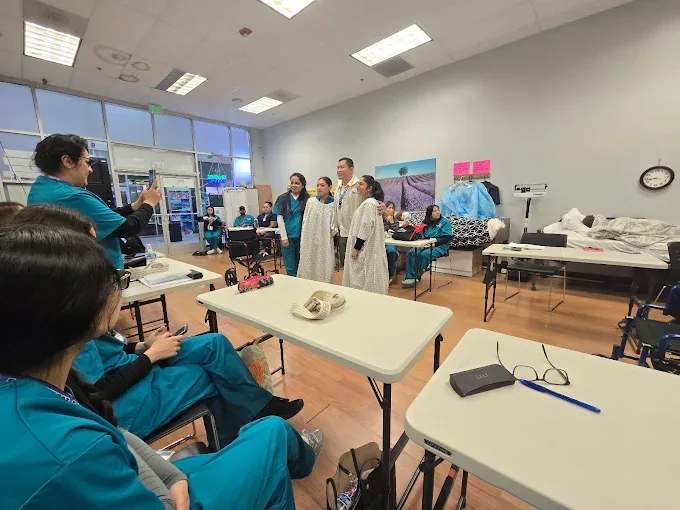
Starting a healthcare career often begins with clarity about training pathways and eligibility standards. When exploring CNA Courses in San Diego, you notice a structured yet accessible route designed to prepare you for patient-centered roles. The process involves more than enrollment; it includes educational prerequisites, compliance checks, and skill-based training. Understanding these requirements early helps you avoid delays and align your expectations with program standards. As demand for entry-level healthcare professionals continues to grow, knowing exactly what qualifies you for enrollment becomes a strategic advantage.
Basic Educational Qualifications
Before enrolling, you typically need a foundational academic background. Most CNA programs in San Diego require a high school diploma or equivalent certification. This ensures you possess basic literacy and numeracy skills essential for patient documentation and communication.
Course modules often involve reading clinical instructions, interpreting charts, and following procedural guidelines. Without these basic competencies, completing the training becomes challenging. Some institutions may conduct placement assessments to verify readiness.
Additionally, you may encounter programs that accept current high school students, provided they meet age and academic criteria. This flexibility expands accessibility while maintaining training standards. Strong comprehension skills directly influence how effectively you grasp medical terminology and caregiving protocols.
Age and Identification Criteria
Eligibility requirements also include age verification and valid identification. Most CNA classes require you to be at least 16 to 18 years old, depending on program regulations. Proof of identity, such as government-issued documents, ensures compliance with legal and institutional policies.
Age requirements exist to align with clinical responsibilities and workplace expectations. Since training includes hands-on patient interaction, maturity and accountability become critical factors.
In addition, background documentation helps institutions maintain secure learning environments. You may need to submit identification during both enrollment and certification stages. Keeping documents organized accelerates the admission process and prevents administrative delays.
Health Screening and Immunization Standards
Healthcare training demands strict adherence to safety protocols. As part of CNA classes in San Diego, you must undergo health screenings to confirm physical readiness for clinical duties. These screenings often include tuberculosis tests, general physical exams, and immunization records.
Such requirements ensure both your safety and the safety of patients you interact with during training. Exposure to healthcare environments increases the risk of infections, making preventive measures essential.
You may also need to provide proof of vaccinations for common communicable diseases. Programs prioritize candidates who meet these criteria without exceptions, as clinical placements depend heavily on compliance. Maintaining updated medical records simplifies your enrollment process significantly.
Background Check and Legal Clearance
Enrollment in CNA programs in San Diego typically involves a criminal background check. This step ensures that candidates meet ethical and legal standards required in healthcare settings.
Since CNAs work closely with vulnerable populations, institutions enforce strict screening measures. Any prior offenses may be reviewed carefully before granting admission. Transparency during this process is crucial, as discrepancies can lead to disqualification.
Fingerprinting is often part of the verification process, adding another layer of security. This requirement aligns with regulatory frameworks that govern healthcare employment. Preparing for this step in advance reduces delays and enhances your chances of smooth admission into training programs.
Training Hours and Curriculum Structure
A significant component of CNA classes in San Diego involves completing a state-approved number of training hours. These hours are divided into theoretical instruction and clinical practice.
Classroom sessions cover topics such as anatomy basics, infection control, patient rights, and communication techniques. Clinical training, on the other hand, allows you to apply these concepts in supervised environments.
Programs emphasize competency-based learning, meaning you must demonstrate proficiency in essential caregiving tasks. Attendance plays a critical role, as missing hours can delay certification eligibility.
Structured schedules ensure balanced exposure to both knowledge and hands-on experience. Consistency in participation helps you build confidence and prepares you for certification assessments effectively.
Certification Examination Requirements
After completing CNA courses, you must pass a certification exam to become a licensed nursing assistant. This exam typically includes a written portion and a practical skills assessment.
The written test evaluates your understanding of theoretical concepts, while the practical exam measures your ability to perform caregiving tasks accurately. You are assessed on procedures such as patient hygiene, mobility assistance, and vital sign monitoring.
Preparation is essential, as passing rates often depend on consistent practice and comprehension. Many training programs integrate exam preparation into their curriculum, ensuring you are well-equipped to succeed.
Achieving certification validates your skills and opens pathways to employment in healthcare facilities. It marks the transition from training to professional practice.
Language and Communication Skills
Effective communication remains a core requirement in CNA Programs in San Diego. You must demonstrate the ability to understand instructions, interact with patients, and document care activities accurately.
Programs may assess your language proficiency during admission or training phases. Clear communication reduces errors and enhances patient safety, making it a non-negotiable skill in healthcare roles.
You will frequently engage with diverse patient populations, requiring adaptability in communication styles. Listening skills are equally important, as they help you respond to patient needs promptly.
Developing strong interpersonal abilities during training improves both your learning experience and future job performance. Communication competency often distinguishes successful candidates in clinical environments.
Time Commitment and Attendance Expectations
Consistency is a defining factor in completing CNA classes. Programs enforce strict attendance policies to ensure you meet required training hours. Missing sessions can result in incomplete certification eligibility.
You are expected to manage your schedule effectively, balancing coursework and personal commitments. Training durations vary, but most programs follow an intensive format designed to accelerate skill acquisition.
Punctuality and active participation contribute to your overall performance. Instructors evaluate not only your technical skills but also your reliability and professionalism.
Meeting attendance requirements reflects your readiness for real-world healthcare settings, where consistency directly impacts patient care outcomes.
Conclusion
Understanding enrollment criteria simplifies your path into healthcare training. When evaluating CNA courses in San Diego, you recognize that requirements extend beyond academics to include health compliance, legal checks, and skill readiness. Each step ensures you are prepared for the responsibilities of patient care. With proper preparation and awareness, you can navigate these requirements efficiently and position yourself for long-term success in the healthcare field.