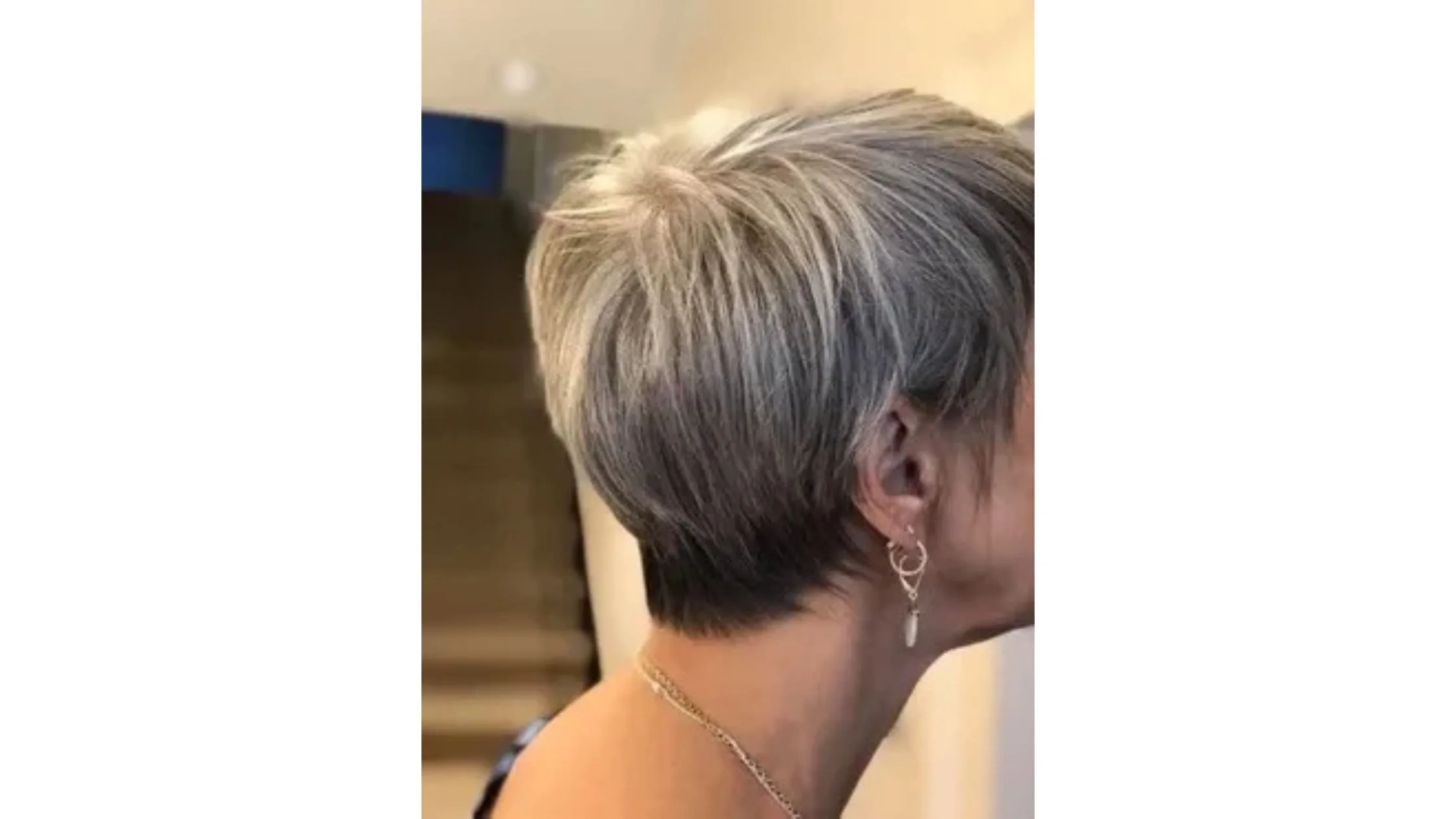
Every shade of natural hair contains underlying pigment, and its warmth shows through whenever color is lifted or deposited. Controlling this pigment is the core skill in professional color work. A search for a hair colourist near me should weigh technical skill as much as distance.
Richness comes from three factors acting together: depth, tone, and shine. A natural look comes from restraint in each one. A colorist sets the depth first, refines the tone second, and seals in shine last.
How Does a Colorist Neutralize Unwanted Warmth?
Dark hair lifts through red, then orange, then yellow, and each stage leaves a warm cast. Colorists cancel that cast with the opposite shade on the color wheel. Blue neutralizes orange, violet neutralizes yellow, and green neutralizes red. The correct choice depends on the stage reached, so the colorist checks the lifted strands before choosing the formula.
Skipping this check leaves orange or muddy tones, and these fade into dullness within a few washes. Natural level also matters, since a level 4 base exposes more red than a level 7 base.
What Is the Correct Order of Application?
A skilled hair coloring salon follows a set order, since each zone of hair processes at its own pace:
- Mid-lengths and ends first: These zones are far from scalp warmth and develop at a slower pace.
- Roots last: Heat from the scalp speeds processing, so root color goes on after the lengths to finish at the same time.
- Delicate zones with a gentler mix: Hairline and nape strands absorb color fast and receive a lower-strength formula.
- Strand checks: The colorist wipes a single strand clean at set intervals to confirm the shade before rinsing.
- Cool rinse: Cool water closes the cuticle and seals pigment into the strand.
Each stage has a set timing, recorded by the colorist so the next visit repeats the same result.
How Does Hair Condition Change the Formula?
The phrase hair colourist near me returns many results, and the strongest ones describe how they assess porosity and earlier color before the formula is chosen.
Porous strands, found mostly at the ends, take in pigment fast and lose it sooner. A colorist evens out porosity before color goes on, or places a richer formula on those ends so the shade holds the same depth as the roots.
Previous color matters as well. Old pigment from an earlier service darkens or tints the new shade, so the colorist maps where it remains.
How Do Level and Reflect Create Richness?
Every shade has a level, which measures lightness, and a reflect, which is the tone seen on the surface. Richness appears when a saturated reflect matches the level. A copper reflect glows on a mid-brown base but turns thin on a pale blonde base.
Formulas at a hair coloring salon are built from separate level and reflect choices, which allows richer results than one pre-mixed shade.
Which Marks Show a Skilled Result?
Finished color shows its quality in four ways:
- Even saturation from roots to ends, with no darker bands at the lengths.
- Reflective shine under bright light, a sign of a closed cuticle.
- Tone in daylight that matches the tone under salon lighting, with no unexpected orange or green cast.
- Hair that feels as soft after the service as before it.
Final Thought
Rich, natural-looking color depends on pigment control, correct application order, formulas matched to hair condition, and careful level and reflect choices. Each decision protects the depth, tone, and shine of the finished color, and the result stays believable in daylight. Credentials and clear explanations of method separate one hair colourist near me from the next.
Rimage Salon & Spa occupies a Victorian home on Chapel Street in New Haven, where hair services share the premises with facials, manicures, pedicures, and waxing. The stylists work in English and Russian, and the salon provides free off-street parking for its visitors.