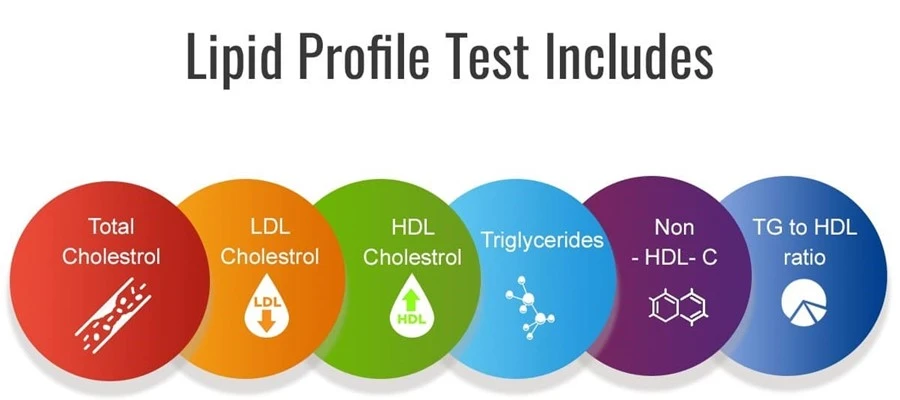
A lipid profile, also known as a cholesterol test, is an important blood test that measures the levels of different types of fats in your blood. Lipid profiles are vital for assessing your risk of cardiovascular diseases, such as heart disease and stroke. Understanding what the normal lipid profile levels are can help you take the necessary steps to maintain or improve your health. In this guide, we will walk you through the different components of a lipid profile and what the normal levels should be.
What Is a Lipid Profile?
A lipid profile is a blood test that measures the levels of different types of lipids (fats) in your bloodstream. The main components of a lipid profile include:
- Total Cholesterol
- Low-Density Lipoprotein (LDL) Cholesterol
- High-Density Lipoprotein (HDL) Cholesterol
- Triglycerides
Each of these components plays a role in cardiovascular health. High levels of certain types of lipids can increase the risk of developing heart disease, while others are considered protective.
1. Total Cholesterol
What It Is:
Total cholesterol is the sum of all the cholesterol in your blood, including both the "good" HDL and the ‘bad’ LDL cholesterol, as well as the triglycerides. While total cholesterol alone doesn’t give a complete picture of your health, it is still an important marker.
Normal Range:
- Less than 200 mg/dL is considered desirable.
- 200-239 mg/dL is considered borderline high.
- 240 mg/dL and above is considered high.
What It Means:
A total cholesterol level of less than 200 mg/dL is ideal, as higher levels increase the risk of plaque buildup in the arteries, leading to cardiovascular problems. Maintaining a lower total cholesterol level is crucial for heart health.
2. Low-Density Lipoprotein (LDL) Cholesterol – The ‘Bad’ Cholesterol
What It Is:
LDL cholesterol is often referred to as "bad" cholesterol because high levels of it can lead to plaque buildup in the arteries, increasing the risk of heart disease and stroke. LDL carries cholesterol from the liver to the cells, and if too much is delivered, it can cause problems.
Normal Range:
- Less than 100 mg/dL is considered optimal.
- 100-129 mg/dL is considered near optimal/above optimal.
- 130-159 mg/dL is considered borderline high.
- 160-189 mg/dL is considered high.
- 190 mg/dL and above is considered very high.
What It Means:
Lower levels of LDL cholesterol are better for heart health, as high LDL levels increase the risk of atherosclerosis (plaque buildup in the arteries). If your LDL is elevated, lifestyle changes like diet modification, exercise, and medications may be recommended to lower it.
3. High-Density Lipoprotein (HDL) Cholesterol – The ‘Good’ Cholesterol
What It Is:
HDL cholesterol is considered ‘good’ cholesterol because it helps remove LDL cholesterol from the bloodstream, thereby reducing the risk of heart disease. Higher levels of HDL cholesterol are protective and are associated with a lower risk of cardiovascular diseases.
Normal Range:
- Less than 50 mg/dL is considered low in women (a risk factor for heart disease).[SS1]
- 50-59 mg/dL is considered acceptable for women
- 60 mg/dL and above is considered optimal (protective against heart disease).
What It Means:
Higher levels of HDL cholesterol are better for heart health, as they help clear the arteries of harmful LDL cholesterol. Aim to maintain HDL levels above 40 mg/dL, but higher levels are more beneficial.
4. Triglycerides
What They Are:
Triglycerides are a type of fat found in your blood that store excess energy from your diet. When you eat more calories than your body can use, the excess is converted into triglycerides and stored in fat cells. High triglyceride levels can increase the risk of heart disease, especially when combined with low HDL and high LDL cholesterol levels.
Normal Range:
- Less than 150 mg/dL is considered normal.
- 150-199 mg/dL is considered borderline high.
- 200-499 mg/dL is considered high.
- 500 mg/dL and above is considered very high.
What It Means:
High triglyceride levels can increase the risk of cardiovascular disease and may indicate metabolic syndrome, which is a group of risk factors for heart disease. Maintaining a healthy lifestyle, including a balanced diet and regular exercise, can help keep triglyceride levels in check.
How to Interpret Your Lipid Profile
Your healthcare provider will typically look at the overall lipid profile and individual numbers to assess your heart disease risk. Here’s how the components come together:
- Ideal Cholesterol Levels: Your total cholesterol should be less than 200 mg/dL, with LDL under 100 mg/dL, HDL above 60 mg/dL, and triglycerides less than 150 mg/dL.
- Risk Factors: If your LDL cholesterol is high, HDL is low, or triglycerides are elevated, your risk for heart disease increases. It’s important to address these issues through lifestyle changes or medications if necessary.
- Heart Disease Prevention: A healthy lifestyle that includes eating a balanced diet, regular exercise, not smoking, and managing stress can help you maintain a healthy lipid profile and reduce your risk of heart disease.
Factors That Can Affect Lipid Profile Levels
Several factors can impact your lipid levels, including:
- Diet: Diets high in saturated fats, trans fats, and cholesterol can raise LDL and triglycerides. A heart-healthy diet rich in fruits, vegetables, whole grains, and healthy fats can help improve your lipid profile.
- Physical Activity: Regular physical activity can increase HDL cholesterol levels and help lower triglycerides and LDL levels.
- Genetics: Your family history and genetic factors can play a role in your cholesterol levels. Some people may have high cholesterol due to inherited conditions like familial hypercholesterolemia.
- Age and Gender: Cholesterol levels tend to rise with age. Women may experience higher cholesterol levels after menopause.
- Health Conditions: Conditions like diabetes, high blood pressure, and hypothyroidism can affect lipid levels.
When Should You Get a Lipid Profile?
The American Heart Association recommends that adults age 20 and older have their cholesterol levels checked every 4-6 years as part of a routine health checkup. However, if you have risk factors for heart disease (e.g., a family history of heart disease, high blood pressure, diabetes, or smoking), your doctor may recommend more frequent testing.
Conclusion: Maintaining a Healthy Lipid Profile
Understanding your lipid profile and maintaining healthy cholesterol and triglyceride levels is key to reducing your risk of cardiovascular diseases. Regular testing, combined with a healthy lifestyle that includes a balanced diet, regular exercise, and smoking cessation, can help you manage your lipid levels and protect your heart health. If your lipid profile is outside the normal range, working with your healthcare provider to develop a personalized plan for treatment and lifestyle changes can help you improve your health and well-being.
FAQs
1. What are normal HDL and LDL levels?
Normal HDL levels should be 40-60 mg/dL, [SS2] and normal LDL levels should be less than 100 mg/dL.
2. What are the five signs of high cholesterol?
The five signs of high cholesterol include chest pain, fatigue, shortness of breath, high blood pressure, and xanthomas (fatty deposits under the skin).