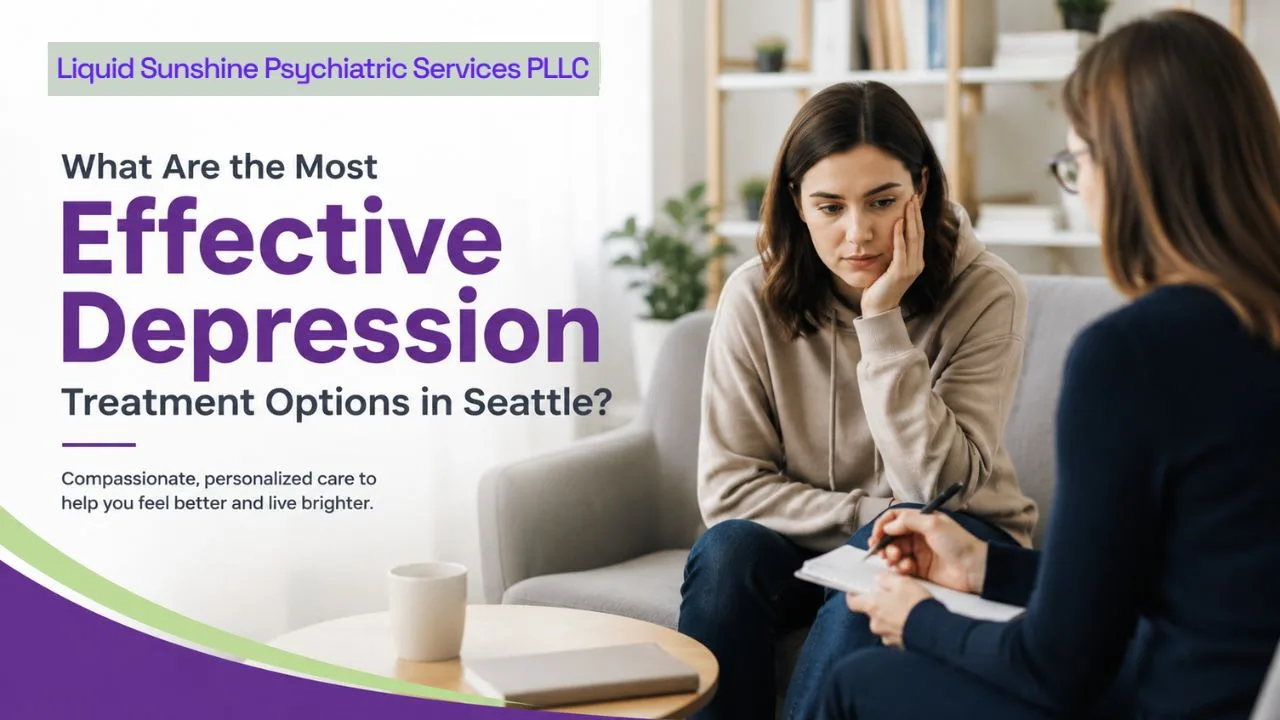
Depression is more than feeling sad after a difficult day or experiencing temporary emotional lows. It is a complex mental health condition that can affect thoughts, emotions, relationships, physical health, and overall quality of life. Millions of people across the United States experience depression every year, and many individuals in Seattle are actively searching for effective ways to regain emotional balance and improve their well-being.
The encouraging news is that depression is highly treatable. With the right combination of professional support, evidence-based therapies, lifestyle adjustments, and ongoing care, many people experience significant improvement and long-term recovery.
This guide explores the most effective depression treatment options in Seattle, helping individuals and families understand available approaches and how to make informed decisions about mental health care.
Understanding Depression and Its Impact
Depression affects people differently. Some individuals experience persistent sadness, while others notice changes in sleep, appetite, energy levels, concentration, or motivation. For some, depression can interfere with work performance, academic success, family relationships, and social interactions.
Common symptoms may include:
- Persistent feelings of sadness, hopelessness, or emptiness
- Loss of interest in activities once enjoyed
- Fatigue or low energy
- Changes in sleep patterns
- Changes in appetite or weight
- Difficulty concentrating or making decisions
- Feelings of guilt or worthlessness
- Increased irritability or emotional sensitivity
Symptoms can range from mild to severe, making professional evaluation an important first step toward effective treatment.
Why Early Treatment Matters
Many individuals wait months or even years before seeking help. Unfortunately, untreated depression can become more difficult to manage over time and may affect physical health, relationships, and career growth.
Seeking support early often leads to:
- Faster symptom improvement
- Better treatment outcomes
- Reduced risk of recurring episodes
- Improved daily functioning
- Stronger emotional resilience
Mental health professionals in Seattle increasingly emphasize early intervention because timely treatment can significantly improve recovery outcomes.
Professional Assessment: The Foundation of Effective Care
Before beginning treatment, a comprehensive psychiatric or mental health evaluation is essential. A qualified provider assesses symptoms, medical history, emotional health, lifestyle factors, and potential contributing conditions.
This evaluation helps determine:
Severity of Symptoms
Depression exists on a spectrum. Treatment recommendations often depend on symptom intensity and duration.
Contributing Factors
Stress, trauma, genetics, chronic illness, life transitions, and environmental factors may all contribute to depression.
Personalized Treatment Planning
No single treatment works for everyone. An individualized approach often produces the best results.
Mental health practices such as Liquid Sunshine Psychiatric Services PLLC provide patient-centered evaluations designed to understand the whole person rather than focusing solely on symptoms. More information about their services can be found through nurseshana.com.
Psychotherapy: One of the Most Effective Depression Treatments
Psychotherapy remains one of the most widely recommended treatments for depression. Research consistently shows that therapeutic support can help individuals develop healthier thought patterns, improve coping skills, and address underlying emotional challenges.
Cognitive Behavioral Therapy (CBT)
CBT is considered one of the most effective evidence-based therapies for depression.
This approach helps individuals:
- Identify negative thought patterns
- Challenge unhelpful beliefs
- Develop healthier perspectives
- Build practical coping strategies
Many people experience measurable improvements within several months of consistent CBT sessions.
Interpersonal Therapy (IPT)
Interpersonal Therapy focuses on improving relationships and communication patterns that may contribute to depressive symptoms.
It can be particularly helpful for people experiencing:
- Relationship conflicts
- Grief and loss
- Major life transitions
- Social isolation
Trauma-Informed Therapy
For individuals whose depression is connected to past traumatic experiences, trauma-informed therapeutic approaches can support emotional healing while promoting long-term recovery.
Psychiatric Medication Management
For moderate to severe depression, medication may be recommended as part of a comprehensive treatment plan.
Psychiatric medications work by helping regulate brain chemistry associated with mood and emotional functioning.
Common Types of Antidepressants
Mental health providers may prescribe medications that target neurotransmitters linked to mood regulation.
Treatment plans are carefully tailored based on:
- Symptom profile
- Medical history
- Existing medications
- Treatment goals
- Potential side effects
Ongoing Monitoring Is Essential
Medication management involves regular follow-up appointments to evaluate effectiveness, adjust dosages when necessary, and address concerns.
Many individuals benefit from combining medication with therapy, which often produces stronger outcomes than either approach alone.
Integrated Mental Health Care
Modern depression treatment increasingly focuses on integrated care models that address multiple aspects of mental wellness simultaneously.
Rather than viewing depression as a standalone condition, providers evaluate emotional, physical, behavioral, and lifestyle factors that influence recovery.
Integrated treatment may include:
- Psychiatric evaluation
- Medication management
- Psychotherapy
- Lifestyle counseling
- Stress reduction strategies
- Ongoing symptom monitoring
This comprehensive approach often supports sustainable long-term improvement.
Lifestyle Changes That Support Depression Recovery
Professional treatment forms the foundation of recovery, but lifestyle habits also play a significant role.
Physical Activity
Regular exercise has been shown to positively affect mood by promoting the release of endorphins and supporting overall brain health.
Even moderate activities such as walking, cycling, or yoga can contribute to emotional well-being.
Sleep Improvement
Poor sleep and depression frequently influence one another.
Helpful sleep practices include:
- Maintaining a consistent sleep schedule
- Limiting screen exposure before bedtime
- Creating a calming nighttime routine
- Avoiding excessive caffeine late in the day
Nutrition and Mental Health
A balanced diet supports overall brain function and emotional stability.
Many mental health professionals encourage diets rich in:
- Fruits and vegetables
- Whole grains
- Lean proteins
- Healthy fats
- Adequate hydration
Social Connection
Isolation often worsens depressive symptoms.
Maintaining supportive relationships, participating in community activities, and staying connected with trusted friends or family members can positively influence recovery.
Telepsychiatry and Virtual Depression Treatment in Seattle
Access to mental health care has improved significantly through telehealth services.
Virtual psychiatric care allows patients to connect with licensed providers from the comfort of their homes.
Benefits include:
- Greater scheduling flexibility
- Reduced travel time
- Improved accessibility
- Increased continuity of care
- Convenient follow-up appointments
Many Seattle residents now use virtual mental health services as part of their ongoing treatment plans.
Mindfulness and Stress Management Techniques
Chronic stress can contribute to depressive symptoms and emotional exhaustion.
Mindfulness-based approaches are increasingly incorporated into treatment plans because they help individuals develop greater emotional awareness and resilience.
Common techniques include:
- Guided meditation
- Deep breathing exercises
- Progressive muscle relaxation
- Mindful movement practices
- Journaling
While these techniques are not substitutes for professional care, they can complement other treatment approaches effectively.
Building a Long-Term Recovery Plan
Depression treatment is not solely about reducing symptoms. The goal is often to create lasting emotional wellness and improve overall quality of life.
A strong recovery plan typically includes:
Consistent Professional Support
Regular appointments help track progress and address challenges before symptoms worsen.
Relapse Prevention Strategies
Learning to recognize early warning signs can help individuals seek support promptly.
Healthy Daily Habits
Sustainable routines contribute to long-term emotional stability.
Ongoing Self-Awareness
Understanding personal triggers and stressors allows individuals to respond proactively rather than reactively.
How to Choose the Right Depression Treatment Provider in Seattle
Finding the right provider can significantly influence treatment success.
Consider factors such as:
- Professional credentials and experience
- Comprehensive assessment process
- Personalized treatment planning
- Availability of telehealth services
- Patient-centered communication style
- Ongoing follow-up care
A collaborative relationship between provider and patient often creates the strongest foundation for recovery.
The Importance of Hope in Depression Recovery
One of the most challenging aspects of depression is the belief that improvement may not be possible. Yet countless individuals recover and go on to live meaningful, fulfilling lives.
Recovery rarely follows a perfectly straight path. Progress often occurs gradually through a combination of professional treatment, personal effort, supportive relationships, and time.
Every positive step matters. Seeking help, attending appointments, practicing healthy habits, and staying engaged in treatment can create meaningful change.
Frequently Asked Questions
What is the most effective treatment for depression?The most effective treatment depends on individual needs. Many people benefit from a combination of psychotherapy, medication management, and lifestyle improvements.
How do I know if I need professional help for depression?If symptoms persist for several weeks, interfere with daily life, or affect work, relationships, or personal well-being, professional evaluation is recommended.
Can depression improve without medication?Some individuals improve through therapy, lifestyle changes, and supportive interventions. Others may benefit from medication. Treatment decisions should be made with a qualified healthcare provider.
How long does depression treatment usually take?Treatment duration varies depending on symptom severity, personal circumstances, and treatment response. Some individuals improve within months, while others benefit from longer-term support.
Is online depression treatment effective?Yes. Telepsychiatry and virtual therapy have proven effective for many individuals and can improve access to mental health care.
What causes depression?Depression can result from a combination of genetic, biological, psychological, environmental, and social factors.
Can exercise help reduce depression symptoms?Regular physical activity can positively affect mood, reduce stress, and support overall mental health when combined with appropriate professional care.
How often should I attend therapy sessions?Frequency varies based on individual needs. Many people begin with weekly sessions and adjust over time according to progress and treatment goals.
Where can I find depression treatment services in Seattle?Seattle offers a range of mental health resources, including psychiatric providers, therapists, telehealth services, and integrated care practices such as Liquid Sunshine Psychiatric Services PLLC through nurseshana.com.
Final Thoughts
Effective depression treatment in Seattle is built on personalized care, evidence-based therapies, professional support, and healthy lifestyle practices. Whether treatment involves psychotherapy, medication management, telehealth services, or a combination of approaches, seeking help is often the first and most important step toward recovery. For those looking to explore compassionate, individualized mental health support, visiting Liquid Sunshine Psychiatric Services PLLC at nurseshana.com can be an excellent place to begin the journey toward lasting emotional wellness.
Take the first step toward better mental health today and discover professional support designed to help you regain balance, confidence, and hope for the future.