
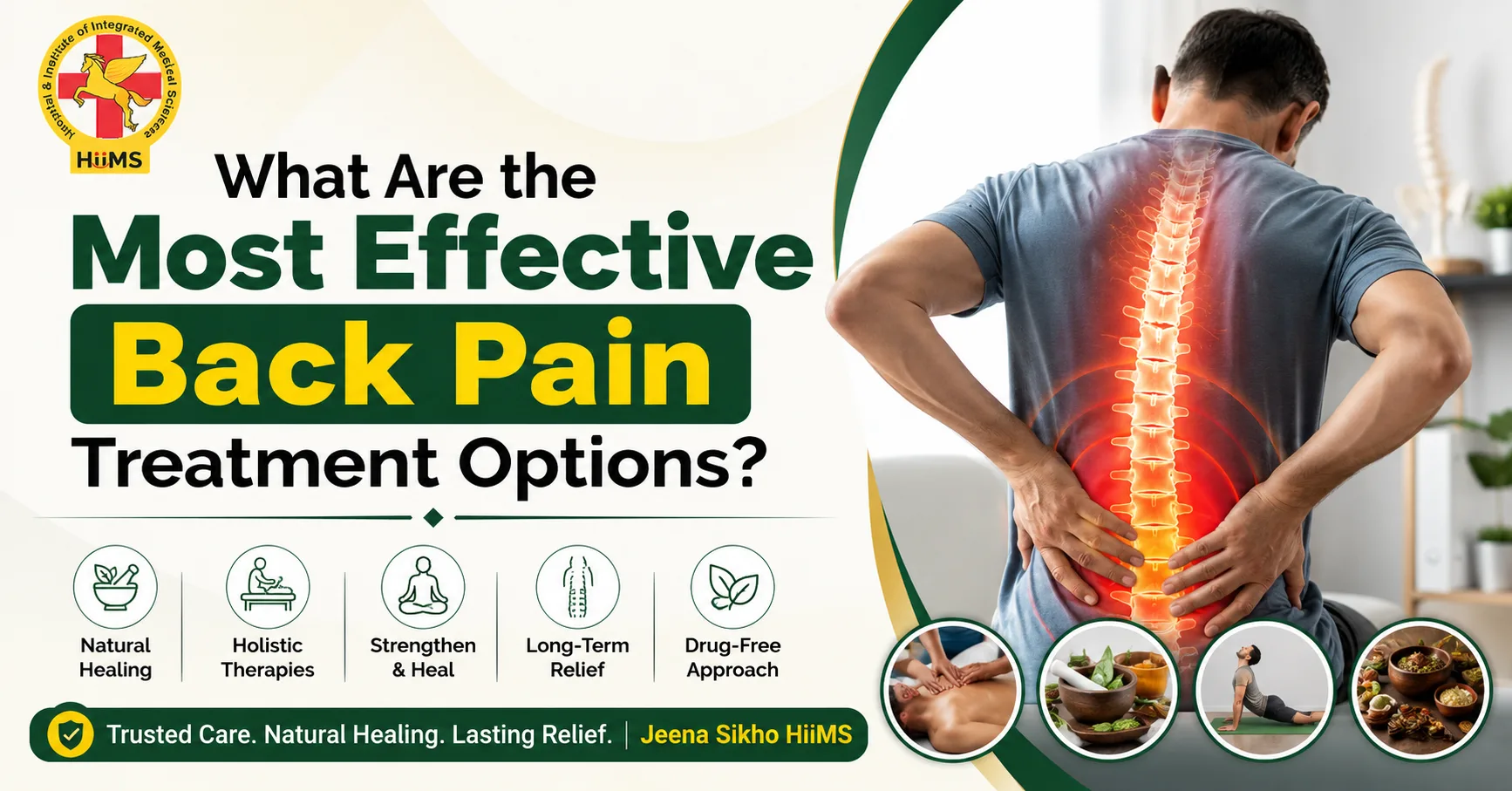
Back pain is a common concern that can affect people of different ages and lifestyles. It may develop due to prolonged sitting, poor posture, muscle strain, lack of physical activity, excessive physical workload, or age-related changes. For some people, the discomfort is temporary, while others may experience recurring or long-lasting pain that interferes with daily activities.
Finding the right back pain treatment depends on the underlying cause, severity, duration, and overall health of the individual. A comprehensive approach that combines healthy lifestyle habits, appropriate physical activity, dietary support, relaxation, and traditional wellness practices may help support better mobility and comfort. Jeena Sikho HiiMS focuses on an individualized approach to health and wellness, considering the person's overall condition rather than addressing discomfort in isolation.
Understanding Back Pain
Back pain can occur anywhere along the back, although the lower back is one of the most commonly affected areas. The discomfort may feel like a dull ache, stiffness, tightness, or sharp pain. Some people may also experience difficulty bending, sitting, standing, or performing routine movements.
Common factors associated with back pain include:
- Poor sitting or standing posture
- Long periods of inactivity
- Excessive physical activity or lifting
- Muscle tension and strain
- Lack of regular exercise
- Repetitive movements
- Sleeping in an uncomfortable position
- Age-related changes
- Excess body weight
- Stress and prolonged muscle tension
Identifying possible contributing factors is an important first step toward choosing suitable back pain management strategies.
What Are the Most Effective Back Pain Treatment Options?
There is no single solution that works for every person. Effective management generally depends on identifying the possible cause and creating a personalized plan. Several supportive approaches can be considered.
1. Improve Daily Posture
Maintaining proper posture can reduce unnecessary stress on the muscles and structures supporting the spine. While sitting, keep your back supported and avoid remaining in the same position for extended periods.
If your work involves sitting for many hours, take short movement breaks regularly. When standing, try to distribute your body weight evenly rather than putting excessive pressure on one side.
2. Stay Physically Active
Complete inactivity may sometimes make stiffness worse. Gentle and appropriate movement can help maintain flexibility and support the muscles around the back.
Activities such as walking, gentle stretching, mobility exercises, and other suitable low-impact movements may be incorporated according to individual comfort and physical capacity.
However, exercise should be performed appropriately. Sudden, strenuous movements or exercises that significantly increase pain should be avoided.
3. Maintain a Healthy Body Weight
Excess body weight can increase the physical load placed on the lower back. Maintaining a healthy weight through balanced nutrition and regular physical activity can therefore be an important part of long-term back care.
A nutritious diet should include adequate protein, vegetables, fruits, whole grains, healthy fats, and sufficient fluids according to individual dietary needs.
4. Practice Gentle Stretching
Stretching may help maintain flexibility in muscles that become tight because of prolonged sitting or limited movement.
Gentle stretches for the lower back, hips, hamstrings, and surrounding muscles may be useful when performed correctly. Movements should be slow and controlled, without forcing the body into painful positions.
5. Support Healthy Sleep Habits
Sleep quality can influence how the body manages discomfort and recovers from daily physical stress. An unsuitable sleeping position may also contribute to morning stiffness or back discomfort.
Choose a comfortable sleeping position and a supportive mattress and pillow according to your individual needs. Maintaining a consistent sleep schedule may also support overall physical wellness.
Traditional Wellness Approaches for Back Pain
Traditional wellness systems often focus on supporting the body through individualized routines, diet, movement, relaxation, and external therapies. At Jeena Sikho HiiMS, care may be planned according to an individual's condition and overall wellness requirements.
1. Kati Basti
Kati Basti is a traditional localized therapy in which warm herbal oil is retained over the lower back using a specially prepared herbal dough boundary. It is traditionally used as part of supportive care for lower-back discomfort and stiffness.
The suitability of such therapies should be assessed by a qualified practitioner based on the person's condition.
2. Greeva Basti
Greeva Basti is a traditional localized approach focused on the neck region. It may be considered when discomfort or stiffness involves the cervical area.
Its use depends on the individual's symptoms and overall health assessment.
3. Prishta Basti
Prishta Basti is traditionally associated with the back region and may be incorporated into personalized wellness programs where appropriate. Such therapies are generally selected based on the location and nature of discomfort.
Lifestyle Changes That Can Support Back Health
Treatment is only one part of managing recurring back discomfort. Daily habits can play an important role in maintaining spinal and muscular health.
1. Avoid Prolonged Sitting
Sitting continuously for several hours can contribute to stiffness and muscle tension. Stand up, walk briefly, or change your position at regular intervals.
2. Lift Objects Correctly
When lifting something from the floor, avoid putting unnecessary strain on the lower back. Bend your knees, keep the object close to your body, and avoid twisting suddenly while lifting.
3. Create an Ergonomic Workspace
Your chair, desk, computer screen, and keyboard should be arranged so that you can work comfortably without repeatedly bending your neck or back.
4. Manage Stress
Stress can contribute to muscle tension and may make discomfort feel more noticeable. Deep breathing, meditation, adequate rest, and relaxing activities can support overall well-being.
When Should You Seek Professional Evaluation?
Back pain should not always be managed at home. Professional assessment is particularly important when pain is severe, persistent, recurrent, or interfering with normal activities.
Seek timely medical evaluation if back pain is accompanied by symptoms such as significant weakness, numbness, loss of bladder or bowel control, unexplained weight loss, fever, severe injury, or rapidly worsening symptoms.
An individualized assessment can help determine whether the discomfort is related to muscles, posture, lifestyle, or another underlying concern.
How Jeena Sikho HiiMS Approaches Back Pain Care?
Jeena Sikho HiiMS emphasizes an individualized approach to health and wellness. Instead of considering back discomfort separately from daily habits and overall health, a person's lifestyle, diet, activity level, posture, and other relevant factors can be considered while developing a supportive wellness plan.
Depending on the individual's needs, the approach may include nutritional guidance, lifestyle recommendations, suitable physical activity, relaxation practices, and traditional therapies.
Final Thoughts
The most effective back pain treatment depends on the reason behind the discomfort and the individual's overall condition. Improving posture, staying appropriately active, maintaining a healthy weight, practicing gentle stretching, getting adequate sleep, and adopting healthier daily habits can all contribute to better back care.
Traditional approaches such as Kati Basti, Greeva Basti, and Prishta Basti may also be considered as part of an individualized wellness plan when appropriate. Jeena Sikho HiiMS focuses on personalized care and overall well-being to help individuals understand their condition and adopt suitable lifestyle and wellness practices.
Persistent or severe back pain should always be evaluated by a qualified healthcare professional rather than self-treated for a prolonged period.