
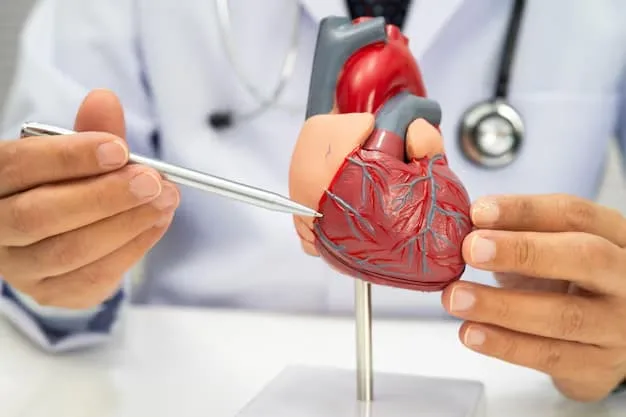
Heart failure does not usually begin with a sudden inability of the heart to work. In many people, the condition develops gradually, and the first symptoms can be so mild that they are mistaken for ageing, stress, lack of sleep, or simply being out of shape. This can make early heart failure difficult to recognize.
Heart Doctor in Jaipur
Shortness of breath after routine activity, unusual tiredness, swelling around the ankles, or a gradual reduction in exercise capacity may appear long before a person realizes that something could be wrong with the heart.
Recognizing these changes early is important because timely medical evaluation can help identify the underlying problem and guide appropriate treatment. A Heart Failure Treatment Doctor in Jaipur can assess symptoms along with medical history, examination findings, and cardiac investigations to understand whether heart failure or another condition may be responsible.
Breathlessness During Everyday Activities
One of the early symptoms people may overlook is becoming short of breath during activities that previously felt comfortable.
A person may notice that climbing stairs, walking quickly, carrying groceries, or doing household work now leaves them unusually breathless. They may gradually reduce their activity without realizing why.
Heart failure can affect the heart's ability to pump blood effectively. As the condition progresses, fluid may build up in the lungs, making breathing more difficult.
However, breathlessness can have many causes, including lung disease, anaemia, obesity, and other medical conditions. It should therefore be evaluated rather than automatically attributed to heart failure.
Unusual or Persistent Fatigue
Everyone feels tired occasionally, but persistent fatigue that is new or disproportionate to normal activity deserves attention.
When the heart cannot pump blood effectively, the body's tissues may not receive adequate blood flow during physical activity. As a result, everyday tasks can feel more tiring than before.
Some people gradually adapt by doing less. They may stop taking walks, avoid stairs, or take more breaks during routine activities. These changes can be subtle but are worth discussing with a healthcare professional when they persist.
Swelling in the Feet or Ankles
Swelling, also called oedema, is another symptom that may be overlooked.
Fluid can accumulate in the lower parts of the body when the heart is not functioning effectively. This may cause swelling around the feet, ankles, or legs. Some people notice that their footwear feels tighter by the evening or that their socks leave deeper marks around the ankles.
Swelling can have several other causes, so it does not automatically indicate heart failure. Persistent or unexplained swelling should nevertheless be medically assessed.
Rapid Weight Gain Without a Change in Diet
Unexpected weight gain over a short period can sometimes reflect fluid retention rather than an increase in body fat.
For people already diagnosed with heart failure, doctors may recommend regular weight monitoring because a sudden change can provide an early indication of increasing fluid retention.
If a person notices unexplained rapid weight gain together with swelling or increasing breathlessness, they should contact their healthcare provider according to their medical advice.
Difficulty Breathing While Lying Down
Some people with worsening heart function may find it uncomfortable to lie completely flat because breathing becomes more difficult. They may begin sleeping with additional pillows or prefer sitting or resting in a more upright position.
This change can be easy to dismiss as a sleeping problem, congestion, or age-related discomfort. However, new or worsening breathing difficulty when lying down should be discussed with a doctor.
Reduced Exercise Capacity
A gradual decline in physical stamina can be one of the less obvious signs of a developing heart problem.
Someone who previously walked for 30 minutes may begin stopping after 10 or 15 minutes because of breathlessness or fatigue. Instead of recognizing this as a possible health change, they may simply assume that they are getting older or less fit.
Tracking these changes can be helpful. If your ability to perform normal activities is steadily declining without an obvious explanation, a cardiac evaluation may be appropriate.
Persistent Cough or Breathing Discomfort
A persistent cough, particularly when accompanied by breathlessness, may sometimes occur when fluid builds up in or around the lungs.
However, cough is much more commonly associated with respiratory and other conditions. The significance depends on the complete clinical picture, including whether swelling, fatigue, breathing difficulty, or other cardiovascular symptoms are present.
A doctor can help determine whether further heart or lung evaluation is needed.
A Fast or Irregular Heartbeat
Some patients with heart failure may also experience palpitations or a sensation that the heart is racing or beating irregularly.
Abnormal heart rhythms can sometimes contribute to or worsen heart failure, while heart failure itself can be associated with rhythm disturbances.
Persistent palpitations, especially when accompanied by dizziness, fainting, chest discomfort, or breathlessness, should be medically evaluated.
When Should You Seek Medical Attention?
Early symptoms of heart failure can overlap with many other conditions, so self-diagnosis is not reliable. If breathlessness, swelling, fatigue, reduced exercise tolerance, or other symptoms are new, persistent, or progressively worsening, a medical assessment can help identify the underlying cause.
Emergency medical attention is important for sudden or severe breathlessness, severe chest pain or pressure, fainting, confusion, bluish lips or skin, or rapidly worsening symptoms.
People with known heart disease should also follow the emergency instructions provided by their treating doctor.
How Is Heart Failure Evaluated?
A doctor may begin by reviewing symptoms, medical history, blood pressure, heart rate, previous heart problems, medications, and cardiovascular risk factors.Heart Doctor in Jaipur
Depending on the findings, investigations may include an ECG, echocardiogram, blood tests, chest imaging, or other cardiac tests. An echocardiogram can provide information about the heart's structure and pumping function.
The purpose of the evaluation is not simply to identify whether the heart is weak. It is also important to understand why the heart may not be functioning normally, because treatment depends on the underlying cause and type of heart failure.
Dr. Rahul Sharma's Approach to Heart Care in Jaipur
Dr. Rahul Sharma, MBBS, DNB (Medicine), DNB (Cardiology), is a cardiologist with 20+ years of experience and serves as Additional Director in Cardiology at CK Birla Hospitals || RBH, Jaipur. His clinical expertise includes the diagnosis and treatment of cardiovascular conditions including heart failure, angina, coronary heart disease, myocardial infarction, and other cardiovascular disorders.
His listed cardiac services include ECG interpretation, echocardiography, cardiovascular stress testing, coronary angiography, angioplasty, and coronary stent placement.
Patients seeking a Heart Doctor in Jaipur can consult Dr. Rahul Sharma at his clinic at H-7, Janpath, Shyam Nagar, Sodala, Jaipur. The clinic website lists consultation and appointment contact information for patients seeking cardiac evaluation.
Conclusion
Heart failure can develop gradually, and some of its earliest signs may look like ordinary tiredness or reduced fitness. Breathlessness during routine activities, persistent fatigue, ankle swelling, unexpected weight gain, difficulty lying flat, and declining exercise capacity should not be ignored when they are new or progressively worsening.
These symptoms do not automatically mean that a person has heart failure, but they can justify a medical evaluation. Identifying the cause early allows appropriate management to begin when needed.
If you notice persistent changes in your breathing, stamina, swelling, or daily activity levels, discussing them with a qualified cardiologist can provide clarity and help determine whether further cardiac evaluation is necessary.
Frequently Asked Questions
1. What is one of the earliest signs of heart failure?
Persistent breathlessness during activities that were previously comfortable can be an early symptom. However, breathlessness has many possible causes and requires proper medical evaluation.
2. Can swollen ankles be related to heart failure?
Yes. Heart failure can cause fluid retention, which may lead to swelling in the feet, ankles, or legs. However, swelling can also have other causes.
3. Can heart failure cause tiredness?
Yes. Reduced exercise tolerance and persistent fatigue can occur when the heart is unable to meet the body's demands effectively. Other causes of fatigue should also be considered.
4. Is sudden weight gain a warning sign?
Rapid unexplained weight gain can sometimes indicate fluid retention, particularly in someone who already has heart failure. Patients should follow their doctor's instructions about monitoring weight and reporting changes.
5. Can early heart failure be treated?
Heart failure management depends on its underlying cause and type. Treatment may include medicines, lifestyle measures, management of contributing conditions, regular monitoring, and in selected cases, procedures or devices.