Introduction: The Vision of Constructing a Family House
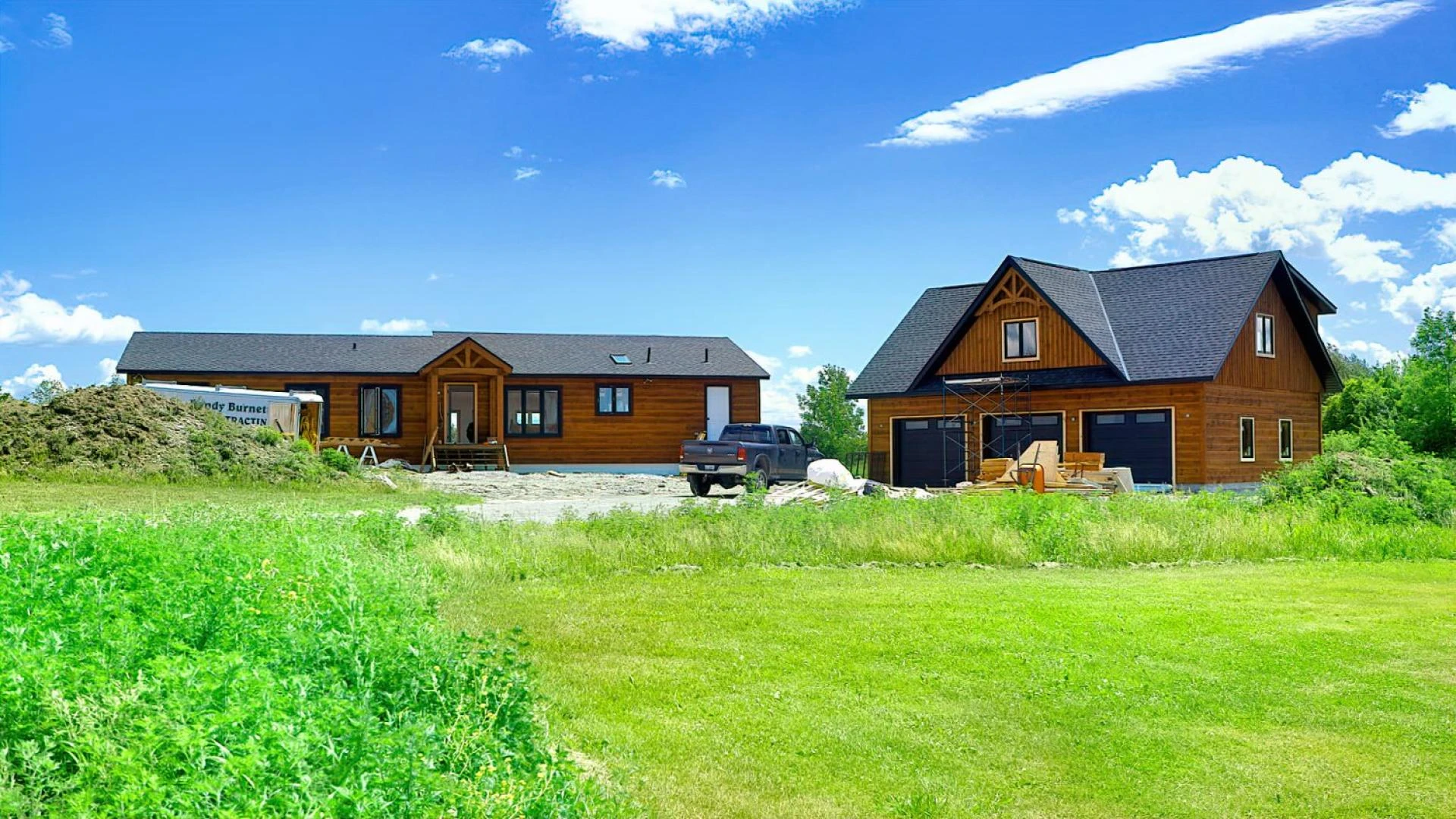
For many, building a family home is a significant accomplishment. It is about memories in progress, not about physical structures. From birthday celebrations in the living room to peaceful mornings on the porch, the home becomes the stage for family life. But before those memories become a reality, there's a labyrinth of choices ahead. Understanding what is important can turn the process from stressful to fulfilling.
Defining Your Family's Lifestyle and Needs
Begin with an in-depth exploration of your family's existing and future needs. Planning for additional children? Live with elderly parents? Require a home office? Creating a room that suits your lifestyle avoids expensive changes in the future.
·Selecting the Ideal Plot: All About Location
The ideal home starts with the ideal plot. Access to schools, hospitals, markets, and place of work is important. Also, study the topography, drainage, and surrounding development plans. A stunning home in a flood area is a recipe for disaster.
·Soil Testing and Site Analysis: The Hidden Foundation
Before a brick is ever placed, the earth must be heard. Soil analysis indicates bearing capacity and suitability of land for construction. Skipping this process can lead to structural weakness down the line. Never settle for this quiet guardian of strength.
·Budgeting the Smart Way
A detailed and realistic budget avoids the financial bleeding that destroys so many builds. Budget for everything: land, labor, raw materials, permissions, and landscaping. Set aside 10% to 15% of your budget for unforeseen expenses. There will be surprises .
·Finding the Right Architect and Contractor
Select professionals who have a track record of transparency and punctuality. Your architect is the visionary, and your contractor is the bringer to life of that vision. Interview several candidates, verify references, and have all contracts in writing.
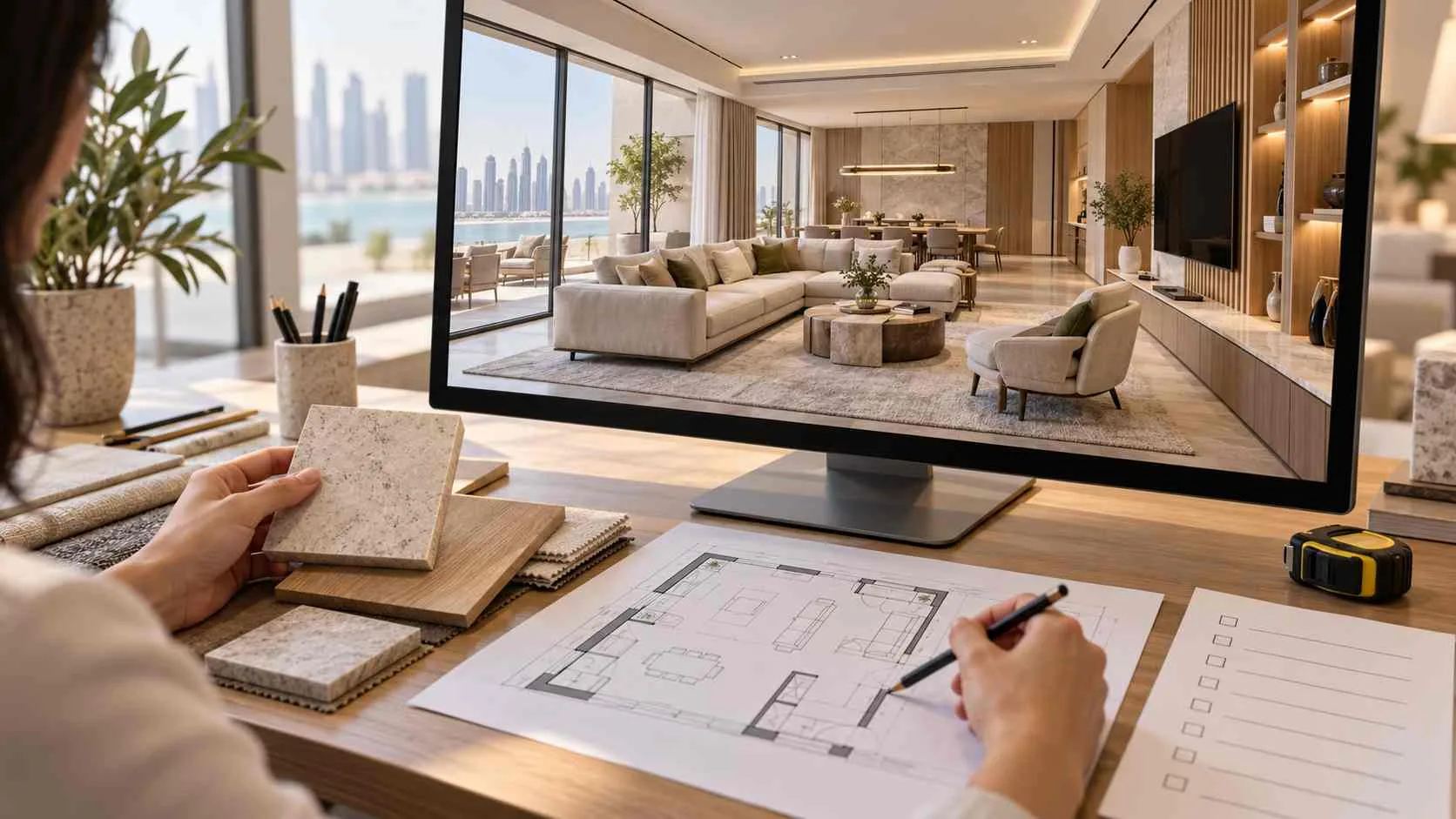
·Floor Plan Essentials: Functionality Meets Flow
A wise floor plan finds a balance between privacy and openness. Bedrooms must be hidden; kitchens must be convenient but not obtrusive. It is important to optimize natural light opportunities, storage spaces, and smooth flow. A wise plan now saves you chaos later.
·Role of Structural Design in Home Building
The skeleton of a home determines its strength. Collaborate with a certified structural engineer to design earthquake-resistant and long-lasting load-bearing elements. Technical accuracy takes priority over personal taste here.
Picking the Best Materials from the Bottom Up
Materials of quality are not up for debate. From concrete foundations to finishing tiles, every piece counts. Go for termite-proof wood, weather-resistant paints, and rust-proof pipes. A long-lasting home is one that was made with care.
Best House Building Tips for Long Durability
These Best House construction tips will extend your house's lifespan by decades.
Learning the Function of Cement in Construction
Cement is the construction workhorse that nobody knows. It holds, hardens, and sets the ground on which your dreams stand. Familiarity with its varieties and applications ensures your house does not merely stand—it stands firm.
43 grade or 53 grade cement? – Selecting the Correct Strength
This is a mystery question for many. Here's why:
For structural members, use 53 grade cement. Cement of grade 43 is enough for final work.
Best Cement Brands to Use to Construct a House
Reputation is everything with cement. Try these trusted Cement Brands to Use for Home
These brands keep quality control high and are everywhere in India.
Roofing Styles: From Concrete Slabs to Clay Tiles
Sloped clay tile roofs provide traditional appeal and water runoff, and flat concrete slabs are durable and terrace-compatible. Choose your roofing style with consideration for your area's rainfall and your taste for aesthetics.
Planning Ahead for Plumbing and Electricity
Ripping out walls due to bad wiring after painting is a nightmare. Design all plumbing and electrical points during the design phase. Installing enough power outlets, UPS wiring, and water pressure balancing can help you future-proof your house.
Ventilation and Natural Light – The Breath and Soul of a Home
A house needs to breathe. Provide cross-ventilation for bedrooms, skylights in inner spaces, and big windows in living areas. Natural lighting saves electricity bills and lifts the mood of the house.
Eco-Friendly and Sustainable Building Practices
Make use of rainwater harvesting, solar panels, and recycled content. Green houses are no longer a fad—they're an obligation. Going green today translates into savings tomorrow.
Interior Layout Planning for Growing Families
A playroom can eventually be a study. A guest room now could be a teen den in the future. Plan for evolution. Flexible spaces adapt with little disruption.
Finishing Touches: Paint, Flooring, and Fixtures
All the details count. Use non-toxic paints, anti-skid tiles, and branded bathroom fixtures. These finishing touches take your home from functional to fabulous.
Safety Measures and Compliance with Local Building Codes
Compliance with city ordinances prevents future legal troubles. Fire exits, electrical load certifications, and approved plans are not negotiable. A safe home is a peaceful home.
Future-Proofing: Smart Home Tech and Modular Expansion
Invest in smart lighting, security systems, and provisions for future expansions. Whether it's a
vertical floor or a backyard studio, plan ahead for tomorrow's surprises.
Conclusion: Turning Blueprint into Legacy
Constructing a family home is not just a building endeavor—it's building a legacy. With careful planning, quality materials, and a vision in your heart, your dream home can emerge sturdy, safe, and filled with soul. Done well, it becomes a home.