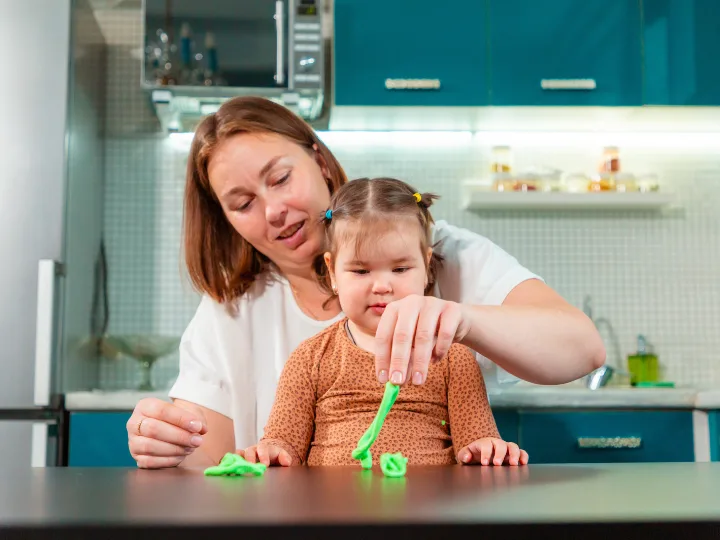
Sensory experiences are part of everyday life, from the sound of traffic to the feel of clothing against the skin. For some children and adults, ordinary sensations can feel unusually intense or difficult to manage. Recognising sensory processing sensitivity can help families understand why certain environments, activities or routines may trigger strong reactions and identify appropriate professional support when needed.
7 Everyday Signs to Notice
1. Strong Reactions to Sounds
Everyday noises such as vacuum cleaners, hand dryers, alarms or crowded conversations may feel overwhelming. A child may cover their ears, become distressed or try to leave noisy environments.
2. Discomfort With Certain Textures
Some children may strongly dislike particular fabrics, food textures or messy play. They might avoid clothing with specific materials or become uncomfortable when touching substances such as sand, paint or certain foods.
3. Sensitivity to Bright Lights
Bright sunlight, fluorescent lighting or rapidly changing visual environments can sometimes be difficult to tolerate. A child may squint, cover their eyes or prefer dimmer surroundings.
4. Difficulty With Emotional Regulation
Sensory overload can make it harder to manage frustration, excitement or distress. Emotional regulation therapy may be considered by families alongside professional guidance when difficulties with managing emotions significantly affect everyday activities.
5. Avoidance of Crowded Places
Busy shopping centres, school assemblies, parties and public transport can involve numerous sounds, movements, smells and visual distractions. A child experiencing sensory sensitivity may become overwhelmed or prefer quieter spaces.
6. Strong Responses to Smells
Certain perfumes, cleaning products, cooking smells or food aromas may cause discomfort. A child might avoid particular rooms, foods or situations because of their reaction to specific smells.
7. Difficulty With Unexpected Sensations
Unexpected touches, sudden movements or changes in physical surroundings can sometimes trigger a strong response. For example, a child may dislike being touched without warning or become distressed when routines change suddenly.
How Sensory Sensitivity Can Affect Daily Life
Sensory sensitivity can influence activities such as getting dressed, eating, attending school, playing, travelling and participating in social situations. Reactions can also vary depending on tiredness, stress, surroundings and the number of sensory experiences happening at once.
It is important to remember that occasional sensitivity does not automatically indicate a disorder or condition. When sensory responses are frequent or interfere with daily functioning, families can discuss their concerns with appropriate professionals who can consider the child’s individual needs.
Supporting a Child With Sensory Sensitivity
Simple environmental adjustments may help reduce overwhelming experiences. These could include preparing a child before visiting a busy place, providing access to a quiet area, choosing comfortable clothing and introducing unfamiliar sensory experiences gradually.
A professional assessment can help identify patterns and determine whether additional support may be appropriate. Keeping notes about triggers, reactions and successful strategies can also provide useful information when discussing concerns.
Frequently Asked Questions
1. What is sensory processing sensitivity?
Sensory processing sensitivity refers to heightened responses to sensory experiences such as sounds, textures, smells, lights, movement or touch.
2. Is sensory sensitivity the same for every child?
No. Sensory responses can vary considerably. One child may be particularly sensitive to noise, while another may react more strongly to textures, smells or light.
3. Can sensory sensitivity affect school activities?
Yes. Busy classrooms, loud assemblies, certain clothing materials, strong smells and unexpected touches may sometimes make school activities more challenging.
4. Can sensory sensitivity change over time?
Sensory responses may change with age, environment, stress levels and experience. Individual patterns can vary considerably from one person to another.
5. When should parents seek professional advice?
Parents may consider professional advice when sensory responses are persistent, cause significant distress or interfere with eating, sleeping, learning, social participation or everyday routines.