The first morning usually starts before the sun has done much of anything. A hunter steps into the dark with a pack on one shoulder, boots brushing through grass, and the kind of quiet that makes every twig sound louder than it should.
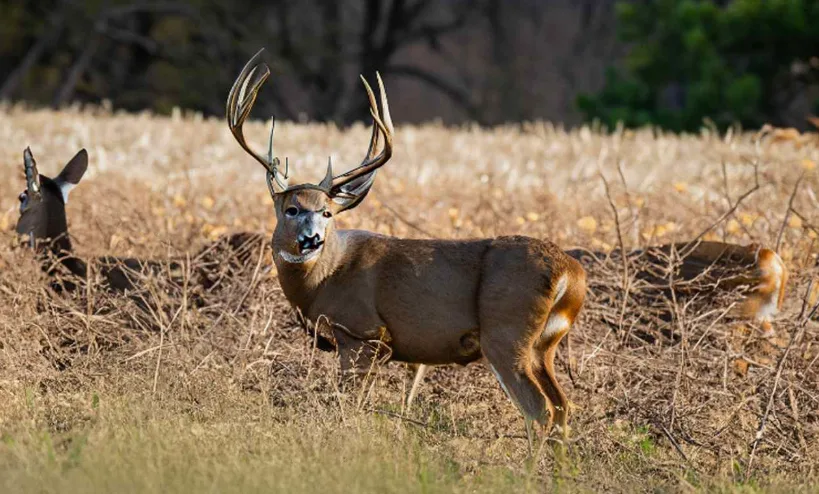
That is part of the pull of a Kansas Whitetail Hunt. It is not just about seeing a mature buck. It is the slow build: the scouting, the wind check, the stand choice, the patient sit, the sudden moment when a shape at the tree line becomes antlers.
For anyone considering a guided deer hunt, the biggest question is simple: what actually happens from start to finish? The answer is less mysterious than many first-time hunters imagine, but it is also more thoughtful. A good hunt process is built around preparation, patience, guide knowledge, and respect for the land.
Key Takeaways
- A guided hunt starts long before the hunter enters the stand.
- Guides help with scouting, stand selection, wind strategy, and recovery.
- The best hunters stay flexible when weather, deer movement, or wind changes.
- A successful hunt is measured by safety, experience, and ethical decision-making.
What Really Happens on a Guided Deer Hunt in Kansas?
A guided deer hunt is a structured hunting experience where local guides help hunters understand the land, deer movement, stand locations, and recovery process. The hunter still brings patience, discipline, and shot responsibility, but the guide brings local knowledge that can shorten the learning curve.
Kansas is known for open country, agricultural edges, timber draws, creek bottoms, and quiet pockets of cover where mature whitetails can move with caution. That mix is what makes Kansas guided hunting experiences appealing to hunters who want more than a random weekend in the woods.
The process is not a guarantee. Wild deer do not read schedules. But a guide can help a hunter make better decisions at each stage of the hunt.
How Does the First Move Shape the Whole Hunt?
The hunt process usually begins with planning. Before the trip, hunters should confirm license and permit requirements with the Kansas Department of Wildlife and Parks, review season details, and make sure their equipment is ready.
For bowhunters, that may mean tightening groups at realistic yardages. For rifle or muzzleloader hunters, it means checking zero, knowing limits, and practicing from field positions. A clean shot starts at home, not in the stand.
Most guided hunts also include some kind of arrival routine:
- Check in and meet the guide.
- Review rules, safety expectations, and property boundaries.
- Discuss target deer standards and ethical shot choices.
- Organize gear for the first sit.
- Learn how stand access, pickup, and communication will work.
This is where many first-time hunters relax. The unknown starts to become a plan.
What Happens During Scouting and Stand Selection?
Scouting is the quiet engine behind a strong hunt. Guides look at trail camera activity, feeding areas, bedding cover, rubs, scrapes, crop patterns, weather, and wind direction. The hunter may only see the stand, but the guide is often thinking about weeks or months of sign.
For guided trophy whitetail hunts, stand selection is rarely random. A stand may be chosen because the wind is right, the access route is low-impact, or mature deer have been moving nearby during legal shooting light.
A hunter should expect the plan to change. A warm front, shifting wind, rain, pressure, or crop activity can all affect deer movement. This is where guided hunting feels different from simply picking a spot and hoping. The guide reads conditions and adjusts.
How Does Patience Pay Off in the Stand?
The stand is where the hunt slows down. Long sits are common. Some mornings feel alive right away. Other sits are quiet for hours, then suddenly turn electric in the final minutes of light.
A hunter may sit in a tree stand, box blind, tower stand, or ground blind depending on terrain and season. Comfort matters, but discipline matters more. Movement, noise, and scent can end an opportunity before the deer is even seen.
The best approach is simple:
- Keep gear organized and quiet.
- Range landmarks before deer appear.
- Watch edges, shadows, and cover lines.
- Move slowly when glassing or adjusting.
- Trust the guide’s instructions on when to wait.
Aldo Leopold wrote, “There are some who can live without wild things, and some who cannot.” That line fits a whitetail stand well. Hours may pass with nothing but wind and birds. Then one step from a buck can make the whole day feel different.
From Strategy to Shot: The Guided Hunt Process
StageWhat HappensHunter FocusCommon MistakeArrivalCheck-in, gear review, safety talkListen and ask practical questionsRushing past instructionsScouting ReviewGuide explains deer movement and stand planUnderstand why the spot mattersExpecting every camera deer to appearFirst SitHunter settles into stand or blindStay quiet and alertMoving too much too earlyMid-Hunt AdjustmentGuide adapts to wind, weather, or sightingsStay flexibleGetting discouraged too soonShot OpportunityHunter confirms target and angleMake an ethical decisionForcing a poor shotRecoveryGuide helps track, recover, and field dressFollow direction and stay patientTaking up the trail too quicklyThis table shows why the hunt process is more than the shot. Every stage shapes the outcome.
What Can Ruin a Kansas Whitetail Hunt Before It Starts?
Many hunters imagine the guide’s job is simply to “put them on deer.” That is part of it, but not the whole picture.
A guide helps manage pressure. They think about wind. They protect productive stands from being overused. They know when to move and when to leave a spot alone. Sometimes the smartest decision is not to hunt a certain stand, even if it looks perfect, because the wind would damage tomorrow’s chance.
That is why Kansas guided hunting experiences are valuable for hunters who want structure, not guesswork.
Do This, Not That
- Do pack for changing weather.
Not that: assuming the forecast will stay accurate. - Do practice quiet entry and exit.
Not that: treating the walk in like a casual hike. - Do trust the guide’s wind call.
Not that: pushing for a favorite-looking stand. - Do wait for a clean shot angle.
Not that: rushing because the buck may leave. - Do take care of hands, feet, and skin during long days outdoors.
Not that: ignoring small discomforts until they affect focus.
The physical side matters too. Cold air, dry hands, rough gear, brush, and long sits can wear on a hunter. Simple field care, good gloves, layered clothing, hydration, and skin protection can make the difference between staying sharp and mentally checking out.
How Does a Guided Hunt End After the Shot?
After a shot, the hunt is not over. In many ways, the most important part begins.
The guide will usually help decide how long to wait before tracking. That decision depends on shot placement, deer reaction, weather, light, and terrain. Patience here matters. Pushing too soon can make recovery harder.
Once tracking begins, hunters should slow down and follow the guide’s lead. Blood sign, tracks, disturbed leaves, and direction of travel all matter. If the deer is recovered, the process moves to field photos, field dressing, transportation, and meat care.
This is also where the emotional weight of the hunt settles in. A good guided deer hunt keeps respect at the center. The animal, the land, the effort, and the memory all matter.
The Moment Every First-Time Hunter Waits For
Picture a hunter arriving in Kansas for the first guided hunt of his life. He has practiced for months, packed too much gear, and worried about doing something wrong. The first two sits are quiet. The third brings does and young bucks. By the fourth sit, he is wondering whether the trip will come together.
Then the guide changes the plan because the wind has shifted. The hunter moves to a stand overlooking a draw. For two hours, nothing. Then, near last light, movement appears along the edge.
This kind of moment is why guided trophy whitetail hunts are built on patience. Success often comes after the uncomfortable stretch when nothing seems to be happening.
Conclusion: The Hunt Is Bigger Than the Moment
A Kansas Whitetail Hunt is not one single event. It is a sequence of careful choices, quiet hours, changing conditions, and respect for the process. The guide helps shape that process, but the hunter still brings the discipline.
From arrival to scouting, from the first sit to the final recovery, the best hunts are built on preparation and patience. The buck may be the goal, but the full experience is what hunters remember years later.
For hunters planning their next guided trip, Hartland Whitetails offers a way to experience that process with clearer direction, local guidance, and a deeper respect for the land.
FAQs
1. What makes a good Kansas Whitetail Hunt?
Safe planning, clear guide support, smart stand choice, patience, and ethical shots.
2. What are the best practices for a guided deer hunt?
Practice first, pack for weather, follow guide advice, stay quiet, and wait for a clean shot.
3. How to prepare for the hunt process?
Check permits, test gear, practice shots, break in boots, and organize layers.
4. When to hire a professional hunting guide?
Hire one for unfamiliar land, out-of-state trips, mature deer goals, or a more organized hunt.
5. What services are included in custom guided deer hunts?
Common services include scouting, stand access, field strategy, recovery help, and guide support.