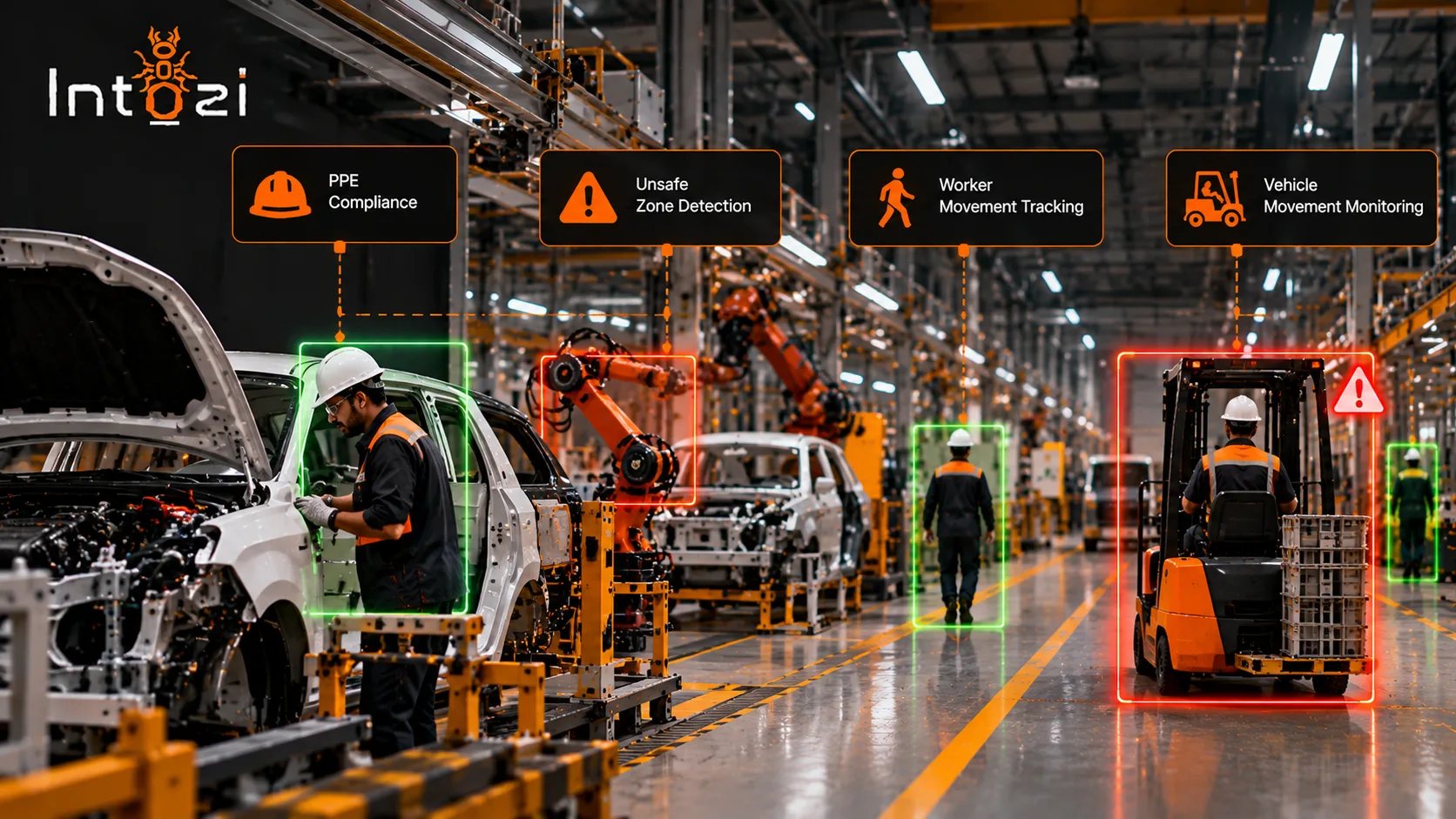
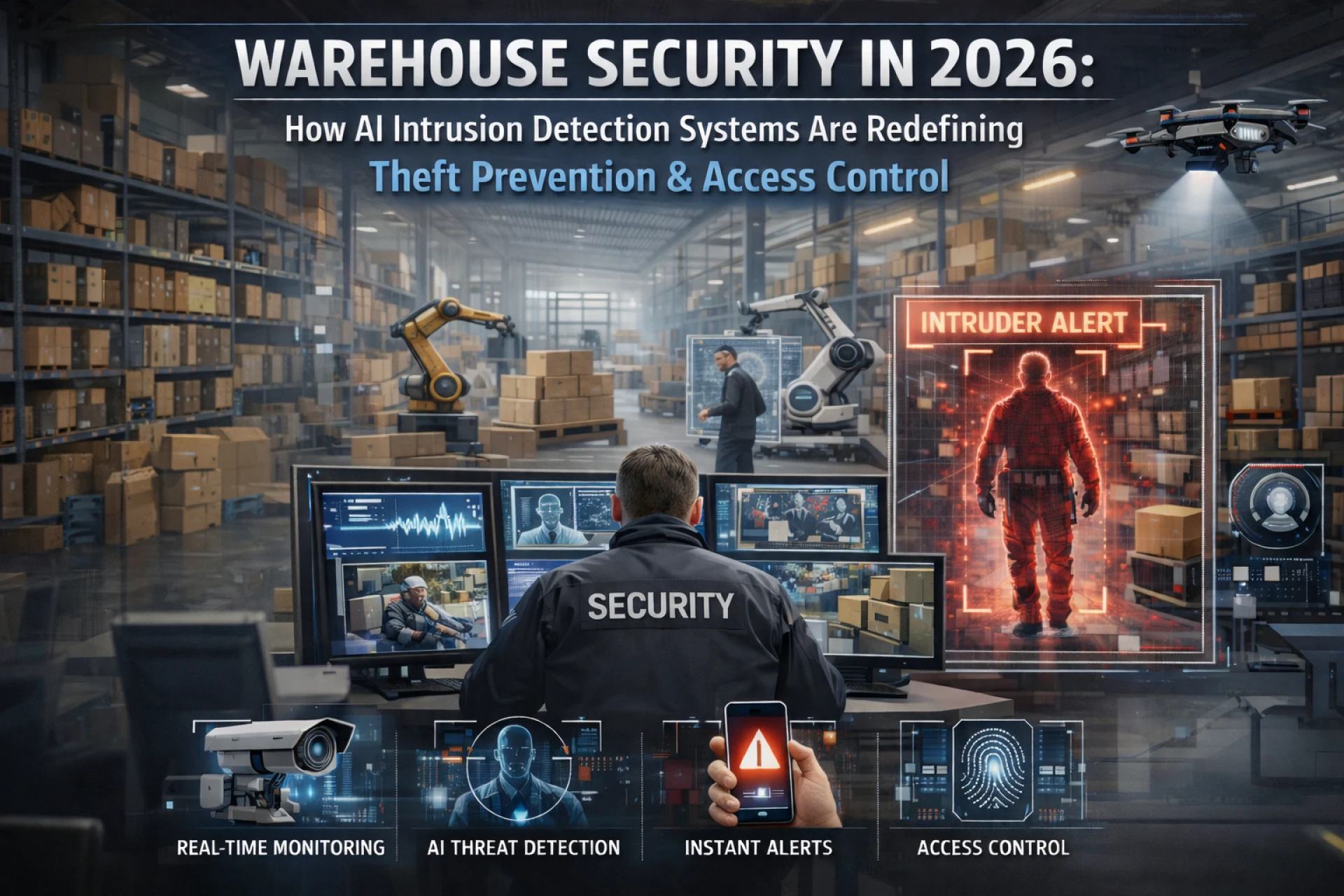
In today’s fast-evolving logistics landscape, warehouses are no longer just storage facilities, they are critical hubs in global supply chains. With the rise of eCommerce, high-value inventory, and 24/7 operations, warehouses have become prime targets for theft, vandalism, and unauthorized access.
Traditional security systems are no longer sufficient to handle modern threats. This is where AI Intrusion Detection Systems are transforming warehouse security—bringing intelligence, automation, and real-time threat prevention to the forefront.
In this high-DA guest post, we explore how AI-powered intrusion detection is redefining warehouse security in 2026 and why businesses must adopt it to stay ahead.
The Growing Security Challenges in Warehousing
Warehouses face multiple security risks, including:
- Internal theft by employees
- External break-ins and organized crime
- Unauthorized access to restricted zones
- Inventory shrinkage and loss
- Lack of real-time monitoring
Traditional CCTV systems often fail because they are reactive rather than proactive. They require human monitoring, which increases the chances of missed incidents.
What is an AI Intrusion Detection System?
An AI Intrusion Detection System uses advanced technologies such as:
- Computer vision
- Machine learning algorithms
- Real-time video analytics
- Behavioral pattern recognition
Unlike traditional surveillance, AI systems can automatically detect suspicious activities, identify unauthorized access, and trigger instant alerts—without human intervention.
How AI Intrusion Detection Systems Work in Warehouses
AI-powered systems continuously analyze video feeds and sensor data to detect anomalies. Key functionalities include:
Real-Time Threat Detection
AI identifies unusual movements, restricted area breaches, or suspicious behavior instantly.
Unauthorized Access Prevention
The system can detect and alert when someone enters restricted zones without permission.
Behavioral Analysis
AI learns normal patterns and flags deviations, such as loitering or unusual movement patterns.
Instant Alerts & Notifications
Security teams receive real-time alerts via mobile or dashboard systems for quick action.
Data-Driven Insights
AI systems provide analytics to improve security strategies and operational efficiency.
Key Benefits of AI Intrusion Detection Systems for Warehouses
1. Proactive Theft Prevention
AI detects threats before they escalate, reducing inventory losses significantly.
2. 24/7 Automated Monitoring
No need for continuous human supervision—AI works round the clock without fatigue.
3. Reduced False Alarms
Advanced algorithms minimize false alerts by accurately distinguishing between normal and suspicious activities.
4. Improved Operational Efficiency
Automation reduces manual workload, allowing staff to focus on critical tasks.
5. Scalable Security Solutions
AI systems can easily scale across multiple warehouse locations.
Use Cases of AI Intrusion Detection in Warehousing
- Monitoring entry and exit points
- Securing high-value inventory zones
- Detecting after-hours intrusion
- Preventing internal theft
- Enhancing perimeter security
These applications make AI a powerful tool for modern warehouse management.
Future Trends in Warehouse Security (2026 & Beyond)
The future of warehouse security is driven by:
- AI-powered predictive analytics
- Integration with IoT devices
- Facial recognition and biometric access
- Cloud-based security systems
- Edge AI for faster processing
Businesses that adopt these technologies early will gain a competitive advantage in security and operations.
Visionfacts: Leading the Future of AI-Powered Security
When it comes to advanced AI Intrusion Detection Systems, Visionfacts is at the forefront of innovation.
Why Visionfacts?
- Cutting-Edge AI Technology: Advanced computer vision and real-time analytics
- Custom Security Solutions: Tailored for warehouse and logistics environments
- Scalable Systems: Suitable for small warehouses to large distribution centers
- Real-Time Monitoring: Instant alerts and actionable insights
- Proven Expertise: Delivering reliable AI-driven security solutions
Visionfacts empowers businesses to move from reactive surveillance to proactive security intelligence.
Common Mistakes to Avoid
- Relying solely on traditional CCTV systems
- Ignoring internal security threats
- Not integrating AI with existing systems
- Overlooking scalability and future needs
- Delaying technology adoption
Avoiding these mistakes ensures a robust and future-ready security infrastructure.
Conclusion
Warehouse security in 2026 demands smarter, faster, and more reliable solutions. AI Intrusion Detection Systems are no longer a luxury—they are a necessity for preventing theft, ensuring safety, and maintaining operational efficiency.
If you’re looking to upgrade your warehouse security with cutting-edge AI technology, get in touch with Visionfacts today. Their expert team will help you implement intelligent, scalable, and future-ready security solutions tailored to your business needs.
Frequently Asked Questions (FAQs)
1. What is an AI intrusion detection system in warehouses?
An AI intrusion detection system uses computer vision and machine learning to monitor warehouse activities, detect unauthorized access, and prevent theft in real time.
2. How does AI prevent theft in warehouses?
AI analyzes behavior patterns, detects suspicious activities, and sends instant alerts, allowing security teams to act before theft occurs.
3. Is AI intrusion detection better than traditional CCTV?
Yes, AI systems are proactive, automated, and more accurate compared to traditional CCTV, which relies on manual monitoring.
4. Can AI intrusion detection systems reduce false alarms?
Yes, advanced AI algorithms can differentiate between normal and suspicious activities, significantly reducing false alerts.
5. Why should warehouses invest in AI security systems in 2026?
With increasing security threats and operational complexity, AI systems provide real-time protection, scalability, and improved efficiency, making them essential for modern warehouses.