When your skin begins to lose its natural color, the change can leave you wondering what is happening and whether anything can be done about it. You may notice a pale area near your lips, a white patch on your fingers, or a change in pigmentation that gradually becomes more visible. Even when these changes do not cause physical discomfort, they can raise important questions about your health and appearance.
Vitiligo is one condition that can cause these changes. It affects the cells responsible for producing skin pigment, leading to lighter patches that may appear on different parts of the body. The condition behaves differently from person to person, so understanding your individual situation is essential when considering treatment.
Fortunately, beginning the process of seeking professional guidance does not always require travelling to a clinic. A vitiligo specialist online consultation can offer an opportunity to discuss your symptoms, share photographs, review your medical history, and explore possible next steps with an appropriately qualified healthcare professional.
The purpose of specialist care is to establish what may be causing the pigmentation changes, explain the available options, and help you make decisions based on your needs. Understanding how this process works can make your next steps more manageable.
Understanding Vitiligo Beyond Its Visible Signs
Vitiligo is a skin condition characterized by the loss of pigment in certain areas. The affected skin may appear lighter than the surrounding area or become completely white.
The color of your skin comes largely from a substance called melanin. Specialized cells known as melanocytes produce this pigment, which also contributes to the color of your hair and eyes.
In vitiligo, these cells stop working properly or are destroyed in affected areas. As a result, the skin loses some or all of its natural color.
Imagine a row of colored tiles on a floor. If several tiles gradually lose their color, the pattern becomes uneven even though the floor itself remains in place. Vitiligo creates a similar visual difference, except the change occurs within the skin's pigment producing system.
The condition can affect people of any skin tone. Its patches may develop on the hands, face, feet, elbows, knees, or around the eyes and mouth. In some cases, the hair growing within an affected area may also turn white or gray.
Vitiligo is not an infection that spreads between people. You cannot catch it through physical contact, sharing towels, or sitting beside someone who has the condition. It is also unrelated to poor personal hygiene.
Although vitiligo does not usually cause pain, its visible nature can influence confidence and emotional well being. A proper assessment can help distinguish the condition from other skin changes and clarify which options may be appropriate.
Why Does Vitiligo Develop?
The precise cause of vitiligo is not completely understood. However, medical research has established that the immune system plays an important role in many cases.
The immune system normally protects the body against harmful organisms. In autoimmune conditions, it mistakenly targets healthy cells. In vitiligo, this response can affect the melanocytes responsible for producing pigment.
Several factors may contribute to the development or progression of the condition.
The Immune System and Pigment Loss
Vitiligo is commonly associated with an autoimmune response. When the immune system targets pigment producing cells, the affected skin gradually loses its color.
This process can sometimes occur alongside other autoimmune conditions, including certain thyroid disorders. However, having vitiligo does not automatically mean that you have another illness.
A specialist may review your medical history and symptoms to determine whether additional assessment is appropriate. Testing is based on individual circumstances rather than being necessary for every person.
Genetics and Family History
Some people with vitiligo have relatives who experience similar pigmentation changes. This suggests that inherited factors can influence susceptibility.
Nevertheless, family history does not determine your future with certainty. Many people develop vitiligo without having a relative with the condition.
Genetics is one part of a broader picture involving immune activity and other influences that researchers continue to investigate.
Skin Injuries and Environmental Influences
In some individuals, new patches develop at sites of repeated friction, cuts, or burns. This response is known as the Koebner phenomenon.
Other people notice changes during stressful periods, although it is not always possible to establish a direct connection. Vitiligo may develop without any obvious trigger.
Understanding these possibilities can help you discuss your experience with a clinician, but it is important not to assume that a particular event caused the condition.
What Makes Specialist Assessment Important?
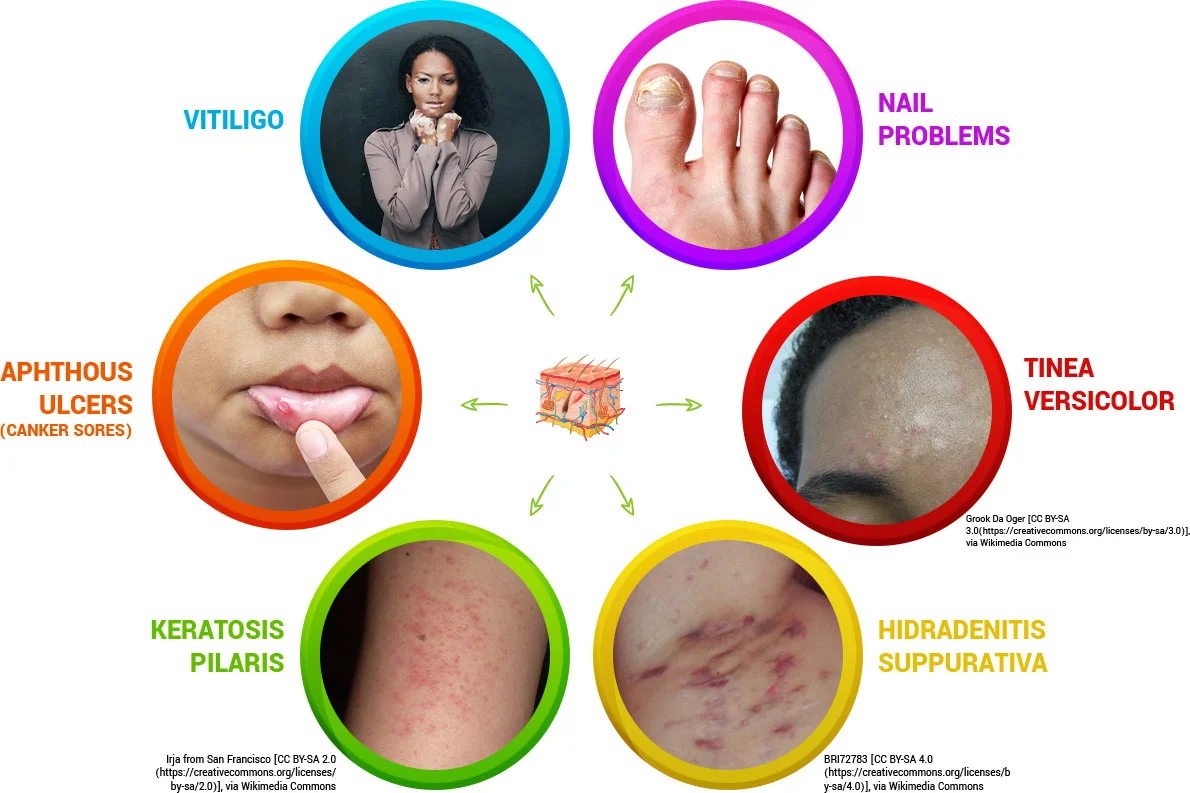
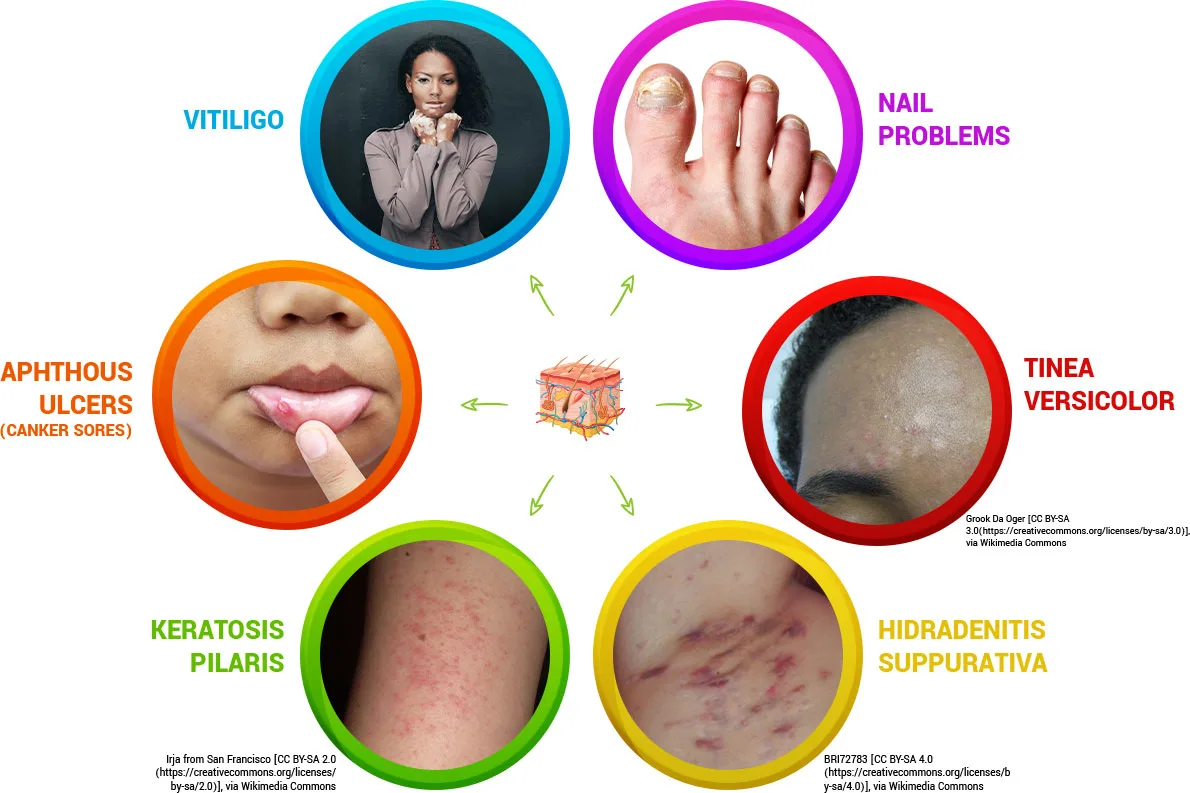
White or pale patches do not always indicate vitiligo. Several other conditions can produce similar changes, and their treatments may differ.
For example, certain fungal infections can cause lighter patches with fine scaling. Skin inflammation may leave an area temporarily lighter after a rash has healed. Other pigment related conditions can also change the appearance of the skin.
A specialist considers the pattern of pigmentation loss, the appearance of the skin surface, the timing of changes, and your medical history.
Recognizing Patterns of Pigment Loss
Vitiligo may affect both sides of the body in a similar pattern, such as both hands or both knees. This is commonly associated with generalized vitiligo.
In other cases, patches remain concentrated in a particular region or on one side of the body. Segmental vitiligo is one form that often follows this more localized pattern.
The distribution of the patches can help guide the assessment, but it does not provide a complete answer on its own.
Understanding Changes Over Time
Some patches remain stable for years, while others expand or appear in new locations. A clinician may ask when you first noticed the changes and whether their size, shape, or number has changed.
Older photographs can be particularly useful. Comparing images taken months apart may reveal changes that are difficult to remember accurately.
If a patch develops unusual scaling, significant redness, or another unexpected feature, the clinician may consider explanations beyond vitiligo.
How an Online Specialist Appointment Works
A virtual appointment allows you to discuss your skin concerns remotely. The exact process depends on the provider, but several steps are commonly involved.
A Detailed Discussion About Your Symptoms
The consultation may begin with questions about when the patches appeared, which body areas are affected, and whether new changes have developed.
You may also be asked about previous skin conditions, family history, current medicines, allergies, and treatments you have already tried.
Be as specific as possible. Explaining that a patch appeared gradually over six months provides different information from describing a change that developed within a few days.
Your answers help the clinician decide which possibilities deserve closer attention.
Photographs and Visual Assessment
Clear photographs allow the clinician to review the affected areas. You may be asked to provide close views of individual patches alongside wider images showing their location.
Use natural or even lighting and avoid filters that change skin color. If possible, take photographs from similar angles each time you document a change.
Images can be helpful, but they have limitations. Lighting, camera quality, and natural variations in pigmentation may make assessment difficult. A video appointment also cannot provide every detail available during a physical examination.
Further Examination When Necessary
If the diagnosis is uncertain, a clinician may recommend an in-person appointment. A Wood's lamp, which uses a special type of ultraviolet light, can make some areas of pigment loss easier to identify.
Other investigations may be considered when the appearance or medical history suggests another condition. Blood tests may be useful in selected circumstances, but they are not automatically required for everyone with suspected vitiligo.
A responsible assessment should identify when remote care is appropriate and when a closer examination is needed.
Exploring Care With Dr. Julie Greenberg
Choosing a professional for a skin condition involves more than finding someone who offers online appointments. It is important to understand their qualifications, areas of practice, and ability to provide appropriate follow up care.
Dr. Julie Greenberg is a name you may encounter while researching dermatology services. Before booking, verify the clinician's current credentials, scope of practice, and availability for virtual consultations.
You should also confirm whether the service can evaluate pigmentation changes, review medical history, discuss treatment choices, and recommend an in-person examination when needed.
Vitiligo care may involve several decisions. The location of affected skin, the amount of pigment loss, the speed of progression, and your personal preferences can all influence the options worth considering.
Ask how treatment progress will be monitored and whether the provider can help manage side effects or arrange additional assessment. These details are particularly important when a treatment requires repeated use over several months.
The aim is to receive individualized guidance rather than a standard recommendation that ignores the differences between patients.
Treatment Options a Specialist May Discuss
Vitiligo treatment is not identical for everyone. Some approaches aim to encourage pigment to return, while others focus on reducing the contrast between affected and unaffected skin.
The appropriate choice depends on your diagnosis, medical history, treatment goals, and the extent of the condition.
Prescription Medicines Applied to the Skin
Certain prescription creams may help restore pigment in selected areas.
Topical corticosteroids reduce inflammation and can be useful for some forms of vitiligo. However, their use requires care because prolonged treatment can cause side effects, including thinning of the skin. Sensitive areas, particularly the face, require special consideration.
Topical calcineurin inhibitors are another option that may be suitable for selected patients, especially when patches affect areas where corticosteroids require extra caution.
These treatments do not work equally well for everyone. A clinician should explain the expected benefits, possible side effects, application instructions, and duration of treatment before you begin.
Phototherapy Using Controlled Ultraviolet Light
Phototherapy involves exposing the skin to carefully measured ultraviolet light under medical supervision. Narrowband ultraviolet B is a commonly used option for vitiligo.
The treatment may encourage pigment recovery, but it usually involves repeated sessions over an extended period.
Some areas respond better than others. The face and trunk may show more improvement than the fingers and feet, where restoring pigment can be more difficult.
Phototherapy is not the same as using a tanning bed or spending additional time in direct sunlight. The amount of exposure must be controlled to reduce the risk of burns and other unwanted effects.
Newer Prescription Treatments
Certain newer medicines target processes involved in inflammation and immune activity. Ruxolitinib cream, for example, is approved for selected patients with nonsegmental vitiligo in some countries.
Its availability depends on local regulations, and not everyone meets the eligibility requirements. A clinician can explain whether it is appropriate based on the patient's age, the extent of affected skin, and other medical considerations.
Newer treatments may offer additional possibilities, but they are not guaranteed solutions. Their benefits, risks, costs, and long term requirements should be discussed before making a decision.
Cosmetic Options for Uneven Skin Tone
Medical treatment is not the only way to address the appearance of vitiligo. Some people choose cosmetic camouflage products that temporarily make lighter patches less noticeable.
These products may be useful for special occasions or everyday activities. They do not restore natural pigment, but they can help reduce the visible difference between affected and unaffected skin.
Choose products suitable for your skin and discontinue them if irritation develops.
For people with extensive vitiligo, a specialist may occasionally discuss depigmentation of the remaining pigmented skin. This is a specialized approach that can have permanent effects and requires careful consideration. It is not suitable for everyone and should never be attempted with unregulated bleaching products.
Protecting Skin With Reduced Pigment
Melanin provides some natural protection against ultraviolet radiation. When an area loses pigment, it can become more vulnerable to sunburn.
Sun protection is therefore an important part of everyday skin care for people with vitiligo.
Use Broad Spectrum Sunscreen
Apply a broad spectrum sunscreen with an SPF of at least 30 to exposed skin. Follow the label instructions and reapply as directed, particularly after swimming, sweating, or extended outdoor activity.
Remember to protect the backs of your hands, ears, neck, and other areas that may be overlooked.
Sunscreen helps reduce ultraviolet damage. It can also limit tanning of unaffected skin, which may reduce the contrast between different areas.
Make Use of Shade and Protective Clothing
Hats, long sleeves, and other protective clothing can help reduce direct exposure. Seeking shade during periods of strong sunlight is another practical step.
These precautions do not mean you need to stop enjoying outdoor activities. They simply help protect areas that may burn more easily.
Avoid Unnecessary Skin Damage
Repeated friction and injuries may contribute to new patches in some people. Gentle skin care and avoiding treatments that cause significant irritation are sensible precautions.
You can continue ordinary activities such as walking, exercising, and working outdoors while taking reasonable steps to protect your skin.
Setting Realistic Expectations for Treatment
Pigment restoration usually takes time. Some people notice improvement after several months, while others experience limited changes despite following a treatment plan.
The outcome depends on factors such as the location of the patches, the type of vitiligo, how long the areas have been affected, and the chosen treatment.
It is also possible for new patches to appear while existing areas are being treated. This does not necessarily mean that the treatment has failed, but it may indicate that the plan needs to be reviewed.
Keep photographs of affected areas and compare them periodically under similar lighting conditions. This provides a more useful record than relying on memory alone.
During follow up appointments, discuss any side effects, concerns, or changes in your symptoms. Do not increase the amount of medicine or change the treatment schedule in an attempt to speed up results.
The Emotional Side of Vitiligo Care
Changes in skin appearance can influence confidence, particularly when patches occur on the face or hands. You may feel uncomfortable in photographs or worry about how other people will react.
These concerns are valid and deserve attention alongside medical treatment.
Vitiligo does not define your identity or personal worth. If the condition begins affecting your social life or emotional well being, talking with trusted people or seeking support from a mental health professional may help.
Some people also find reassurance through reputable support groups. Hearing about others' experiences can provide perspective, although individual treatment results should never be treated as a guarantee of what will happen to you.
Your treatment goals should reflect what matters to you. You may wish to explore pigment restoration, focus on preventing sunburn, use cosmetic camouflage, or combine several approaches under professional guidance.
Preparing for a Specialist Consultation
You can make your appointment more productive by organizing relevant information before the discussion begins.
Consider preparing these details:
- A record of changes: Note when the patches appeared and whether they have spread or changed.
- Clear photographs: Include recent images and older pictures that show how the skin looked previously.
- Medical information: List relevant conditions, medicines, allergies, and family history.
- Previous treatments: Record what you have tried and whether you experienced improvement or side effects.
- Questions about care: Ask about suitable treatments, possible risks, costs, and expected timelines.
It is also helpful to confirm how follow up appointments are arranged and what to do if your symptoms change between visits.
If a patch develops unexpected symptoms or changes rapidly, arrange a timely medical assessment rather than assuming the change is part of vitiligo.
Conclusion
Vitiligo can create uncertainty when patches of skin lose their natural color, but a clear assessment can help you understand what is happening and which options may be appropriate.
A specialist appointment conducted online can provide a convenient starting point for reviewing symptoms, discussing photographs, and exploring treatment possibilities. When remote assessment is insufficient, an in person examination or additional testing may be necessary to establish the diagnosis.
Prescription medicines, supervised light therapy, newer treatments, and cosmetic approaches each have a role in selected situations. The best choice depends on your individual circumstances, medical advice, and personal priorities.
With appropriate sun protection, realistic expectations, and consistent follow up, you can make informed decisions about managing vitiligo. The most important step is to seek reliable guidance that helps you understand your skin and choose a plan suited to your needs.