
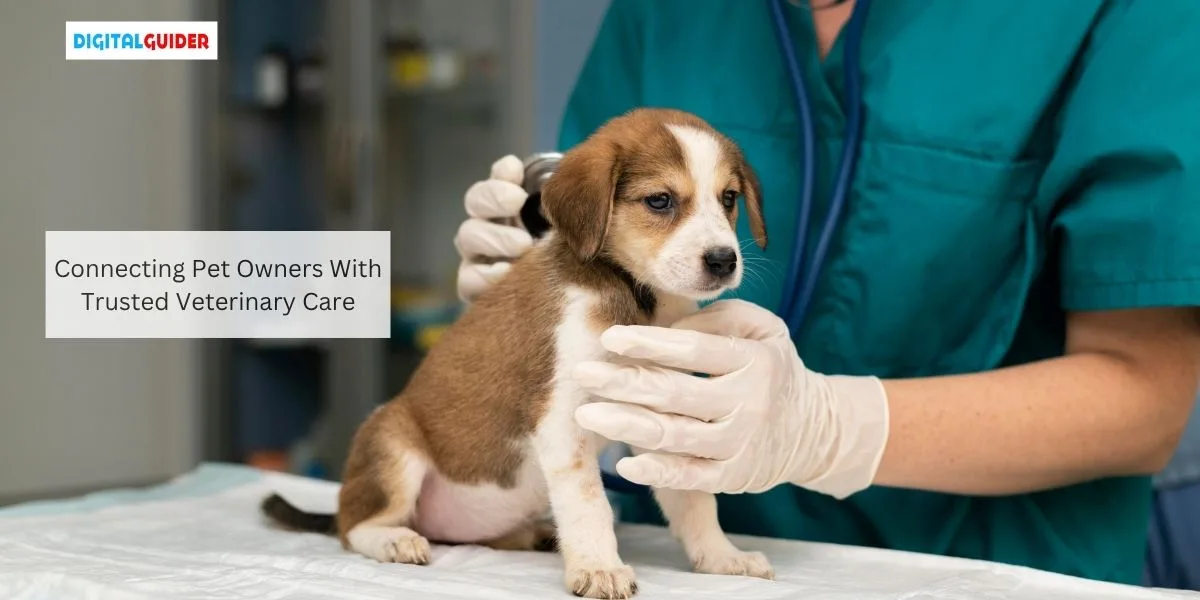
Veterinary practices depend heavily on local customers, but having a clinic in a good location is no longer enough to consistently attract new pet owners. People often search online before choosing a veterinarian, whether they need a routine checkup, emergency care, vaccinations, dental services, or ongoing pet treatment.
Veterinary SEO marketing helps veterinary clinics improve their visibility in search results and connect with pet owners who are actively looking for veterinary services.
What Is Veterinary SEO Marketing?
Veterinary SEO marketing is the process of optimizing a veterinary practice's website and online presence so it can appear more prominently when people search for veterinary services.
A strong strategy can target searches such as:
- Veterinarian near me
- Veterinary clinic in [city]
- Emergency vet near me
- Cat vaccinations
- Dog dental cleaning
- Pet wellness exams
- Puppy veterinarian
- Affordable veterinary clinic
The goal is not simply to increase website traffic. It is to attract relevant local visitors who are more likely to schedule an appointment.
Why SEO Matters for Veterinary Practices
Pet owners often use search engines to find information about their pets and nearby veterinary providers. If a clinic does not appear when these searches happen, potential clients may choose another practice.
Effective SEO can help veterinary businesses:
- Increase local search visibility
- Attract new pet owners
- Generate more appointment inquiries
- Improve Google Maps visibility
- Build trust through useful content
- Strengthen their online reputation
- Compete with other local veterinary practices
Key Veterinary SEO Marketing Strategies
1. Optimize Your Google Business Profile
A properly optimized Google Business Profile can help your veterinary clinic appear in local search and Google Maps results.
Keep your business name, address, phone number, website, services, hours, and categories accurate. Regularly add relevant photos and respond professionally to customer reviews.
2. Target Local Veterinary Keywords
Your website should target keywords that match the services and locations you serve.
Instead of focusing only on broad terms such as "veterinarian," create pages around specific services and locations, such as veterinary clinic in Dallas, "dog vaccinations in Dallas," or "cat dental care near me."
This gives search engines clearer information about your practice and helps potential clients find relevant services.
3. Create Helpful Pet Health Content
Educational content can bring pet owners to your website before they are ready to book an appointment.
Consider publishing articles about:
- Puppy vaccination schedules
- Signs your dog needs veterinary care
- Cat dental health
- Pet nutrition basics
- Preventive wellness exams
- Flea and tick prevention
- Senior pet care
- Common pet allergies
Useful content can establish your practice as a knowledgeable source while creating additional opportunities to appear in search results.
4. Build Service-Specific Pages
Every important service should have a dedicated page rather than placing all services on one general page.
For example, a veterinary website may create individual pages for:
- Wellness exams
- Vaccinations
- Dental care
- Surgery
- Diagnostics
- Spaying and neutering
- Emergency veterinary care
- Parasite prevention
Each page can explain the service, who may need it, what pet owners can expect, and how to schedule an appointment.
5. Improve Website User Experience
SEO brings visitors to your website, but the website needs to make it easy for them to take the next step.
A veterinary website should be:
- Mobile-friendly
- Fast-loading
- Easy to navigate
- Simple to contact
- Clear about services
- Easy to use for appointment requests
Prominent calls to action such as "Schedule an Appointment" or "Contact Our Veterinary Team" can make the booking process easier.
6. Manage Online Reviews
Reviews can influence how potential clients evaluate a veterinary practice. Encourage satisfied clients to share genuine feedback and respond to reviews professionally.
A consistent review strategy can support local visibility while helping prospective pet owners feel more confident about contacting your clinic.
How Veterinary SEO Can Generate More Appointments
SEO works by connecting your veterinary practice with people searching for services you provide. When your website ranks for relevant searches, users can discover your clinic, learn about your services, check your reviews, and contact your team.
The process can look like this:
Search → Website or Google Business Profile → Service Information → Trust Signals → Appointment Request
A well-optimized online presence supports every stage of this journey.
Common Veterinary SEO Mistakes to Avoid
Some practices make SEO harder than it needs to be by:
- Targeting only broad keywords
- Ignoring local SEO
- Using duplicate service pages
- Publishing content without researching search intent
- Neglecting Google Business Profile optimization
- Leaving outdated information on the website
- Having a poor mobile experience
- Failing to monitor search performance
Addressing these issues can create a stronger foundation for long-term organic growth.
Final Thoughts
Veterinary SEO marketing can help veterinary practices become easier to find when local pet owners are searching for care. From local keyword targeting and Google Business Profile optimization to helpful content, service pages, reviews, and website improvements, each element contributes to a stronger online presence.
For veterinary practices, the objective is simple: reach the right pet owners, build trust, and make it easy for them to schedule care.