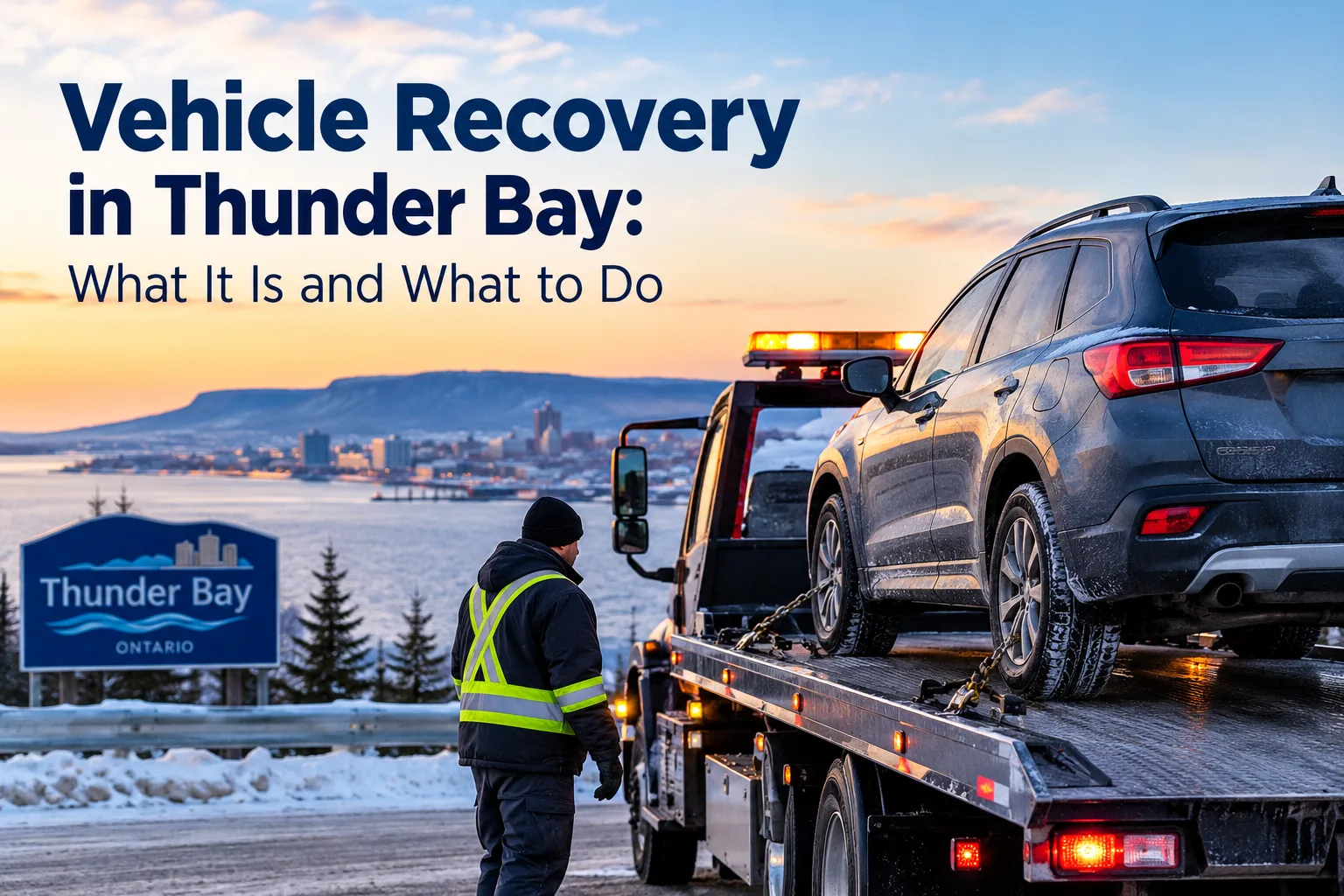
Sometimes a vehicle ends up in a place where it cannot move on its own. It might be stuck in deep snow, slid into a ditch, or left off the road after an accident. In these moments, a regular tow is often not enough. The vehicle first has to be pulled out safely, and this is called vehicle recovery. This guide explains what vehicle recovery is, when you may need it, how it works, and how to stay safe while you wait for help in Thunder Bay.
What Is Vehicle Recovery?
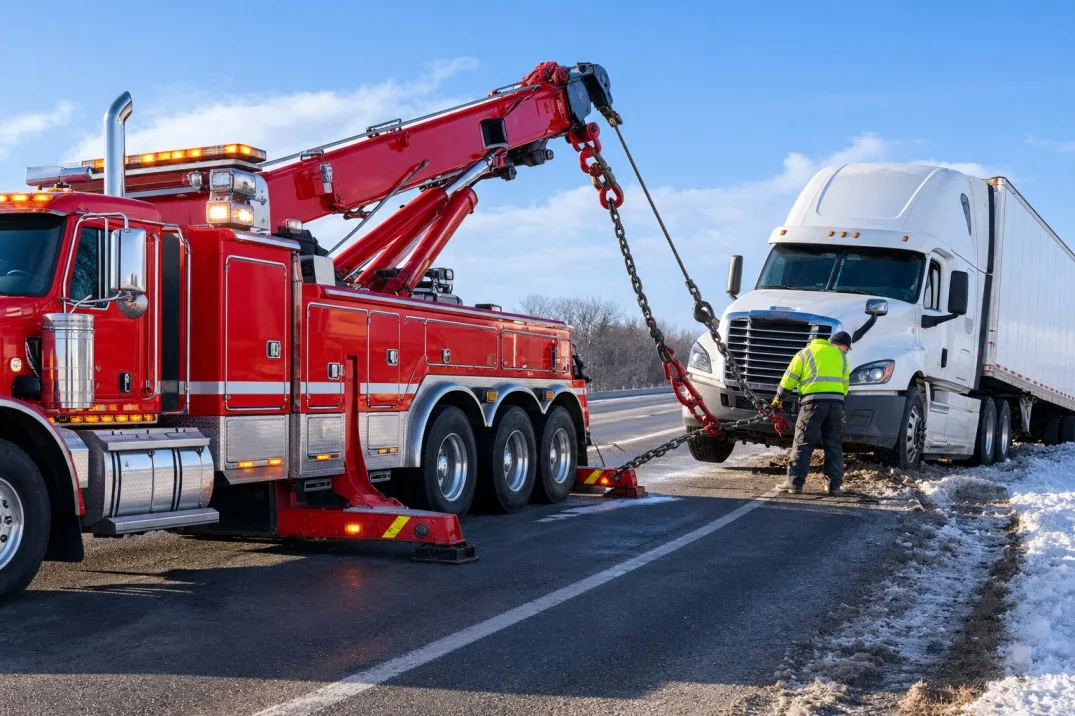
Vehicle recovery means removing a vehicle from a place where it is stuck, trapped, or damaged so that it can be moved safely. It is different from a basic tow. In a basic tow, the vehicle is on the road and ready to be loaded onto a truck. In a recovery, the vehicle must first be brought back to a safe spot, such as the road or a flat area. This often needs special tools like winches, straps, chains, and recovery trucks. It also needs a trained driver who knows how to use them without causing more damage.
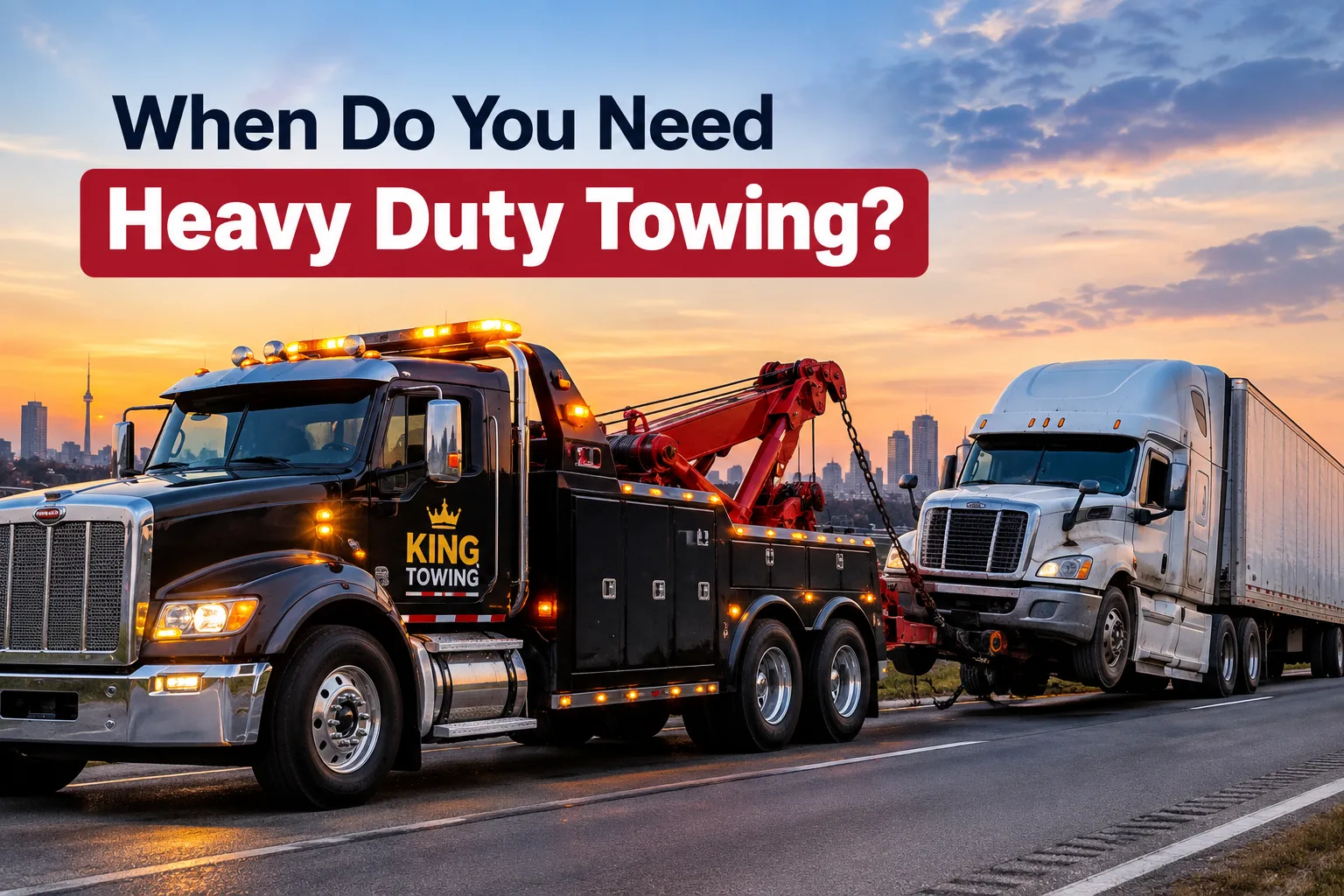
Vehicle recovery can apply to small cars, SUVs, pickup trucks, and motorcycles. It can also apply to large vehicles like semi-trucks and trailers, which need stronger equipment and more careful planning.
When Do You Need Vehicle Recovery?
There are many situations where recovery is the right choice. Here are some of the most common ones:
- Your car slid off the road and is stuck in a ditch.
- Your vehicle is buried in deep snow or ice.
- You were in an accident and the vehicle is blocking the road or sitting in a risky spot.
- Your vehicle rolled over or ended up on its side.
- You drive onto soft ground, mud, or gravel and the wheels are spinning.
- A truck or trailer is stuck on a narrow road or a job site.
If you are not sure whether your vehicle can be pulled out by yourself, it is best to leave it alone and call for help. Trying to free a stuck vehicle with the wrong method can hurt you or harm the vehicle.
Why Recovery Is Common in Northern Ontario
Thunder Bay and nearby areas such as Ignace and Nipigon see long, cold winters. Snow can pile up fast, roads can turn icy in minutes, and visibility can drop during a storm. Highways are long, and some stretches are quiet, so a stuck driver may be far from help. Wildlife on the road can also cause drivers to swerve suddenly and lose control. All of these things make it more likely that a vehicle will end up off the road. In the warmer months, wet gravel roads and soft shoulders can cause similar problems.
Because of these conditions, it is smart for drivers to know who to call before something happens.
How Does Vehicle Recovery Work?
Every recovery is different, but most follow a similar path. Knowing the steps can help you feel calmer when you are in the middle of one.
Step 1: You call for help. Tell the team where you are, what kind of vehicle you have, and what happened. Be as clear as you can about your location. Mention a highway number, a nearby sign, or a landmark. Also say if anyone is hurt. If there is an injury or danger, call 911 first.
Step 2: The driver checks the scene. When the recovery driver arrives, the first job is to look at the area. They check how the vehicle is sitting, how steep the ground is, and how close the traffic is. They also look for hazards like power lines, fuel leaks, or unstable ground.
Step 3: The plan is made. Based on what they see, the driver chooses the safest way to remove the vehicle. This might mean using a winch to pull it straight out, or using straps to guide it slowly back onto the road. For larger or more difficult jobs, more than one truck may be needed.
Step 4: The vehicle is pulled out. The driver attaches the equipment to strong points on your vehicle, then slowly pulls it free. Slow and steady movement helps avoid damage to the frame, bumpers, and other parts.
Step 5: The vehicle is checked and moved. Once the vehicle is back on stable ground, it is checked. If it can be driven safely, you may be able to go on your way. If it is damaged or unsafe, it can be loaded onto a tow truck and taken to a repair shop, your home, or a storage location.
What To Do While You Wait for Help
Waiting can be the hardest part, especially in cold weather. Your safety comes first, so keep these points in mind:
- Turn on your hazard lights so other drivers can see you.
- Stay inside the vehicle if you are on a busy road or the weather is bad. It is often safer than standing outside.
- If you must get out, wear bright or reflective clothing and stay far from traffic.
- Keep warm by using blankets or extra clothing. If you run the engine for heat, make sure the exhaust pipe is not blocked by snow. A blocked pipe can let dangerous carbon monoxide gas into the car.
- Keep your phone charged and share your location with the towing company in Thunder Bay.
- Do not try to push or drive the vehicle out in a way that could put you near moving traffic.
If you live in or travel through Thunder Bay in winter, it helps to keep a small emergency kit in your car. Good items include a blanket, a flashlight, warm gloves, water, snacks, a phone charger, and a small shovel.
Mistakes To Avoid in a Recovery
Some actions can make a bad situation worse. Try to avoid these common mistakes:
- Spinning the wheels over and over. This can dig the vehicle deeper into snow or mud and may harm the tires and transmission.
- Using weak ropes or the wrong parts of the vehicle for pulling. Pulling from the wrong point can bend or break parts of the car.
- Asking a friend to pull you with a personal vehicle. Without proper gear, ropes or chains can snap and cause serious injuries.
- Waiting too long to call. The longer you stay stuck, the more tired, cold, and stressed you can become. Calling early gives you more choices.
How To Choose a Vehicle Recovery Service
Not every towing company has the same tools or training, so it helps to ask a few questions before you decide. Look for a service that:
- Is available 24/7. Vehicles do not only get stuck during the day.
- Has the right equipment. Winches, straps, and strong recovery trucks matter, especially for heavy vehicles.
- Knows the local area. A local team understands the roads, weather, and ground conditions in Thunder Bay and nearby communities.
- Explains the price clearly. You should know what to expect before the work begins.
- Treats your vehicle with care. Careful handling lowers the risk of extra damage.
- Offers other help. It is useful if the same company can also tow your vehicle, change a tire, deliver fuel, or store your vehicle if needed.
Does Vehicle Recovery Cost a Lot?
The price depends on a few things. These include how hard the recovery is, the type and size of your vehicle, how far the truck has to travel, the time of day, and the weather. A simple pull from a shallow ditch usually takes less time than a heavy truck stuck on soft ground. Because no two jobs are the same, the best step is to ask for a quote when you call. You can also check with your insurance company, since some policies cover part of the cost of recovery after an accident or a stuck vehicle. It is wise to read your policy before you need it.
How To Lower the Chance of Getting Stuck
You cannot control the weather, but you can make smart choices that lower your risk:
- Slow down on snowy or icy roads. Speed is a major reason vehicles slide off the road.
- Use winter tires. Good tires give better grip on snow and ice.
- Leave extra space. Give yourself more distance from the vehicle ahead so you have time to stop.
- Avoid soft shoulders and unplowed roads. If you are not sure the ground is firm, do not drive onto it.
- Check the forecast. If a big storm is coming, think about delaying your trip.
- Keep your vehicle in good shape. Regular checks on your brakes, tires, and battery help you stay in control.
Vehicle Recovery Help from Cozy Towing
If your vehicle is stuck or off the road, Cozy Towing is here to help. Our team provides towing and recovery support for cars, SUVs, motorcycles, trucks, and commercial vehicles in Thunder Bay and nearby communities, including Ignace and Nipigon. We are available 24/7, and we focus on safety, careful handling, and friendly vehicle service in Thunder Bay. Once your vehicle is safely out, we can also help with towing, storage, or other roadside needs, subject to availability.
Final Thoughts
Getting stuck is stressful, but you do not have to handle it alone. Stay calm, keep yourself safe, and call a trusted service that has the right tools and training. Knowing what to expect can make the whole process easier. If you need help with vehicle recovery or towing, visit cozystowing.com or contact the Cozy Towing team today.