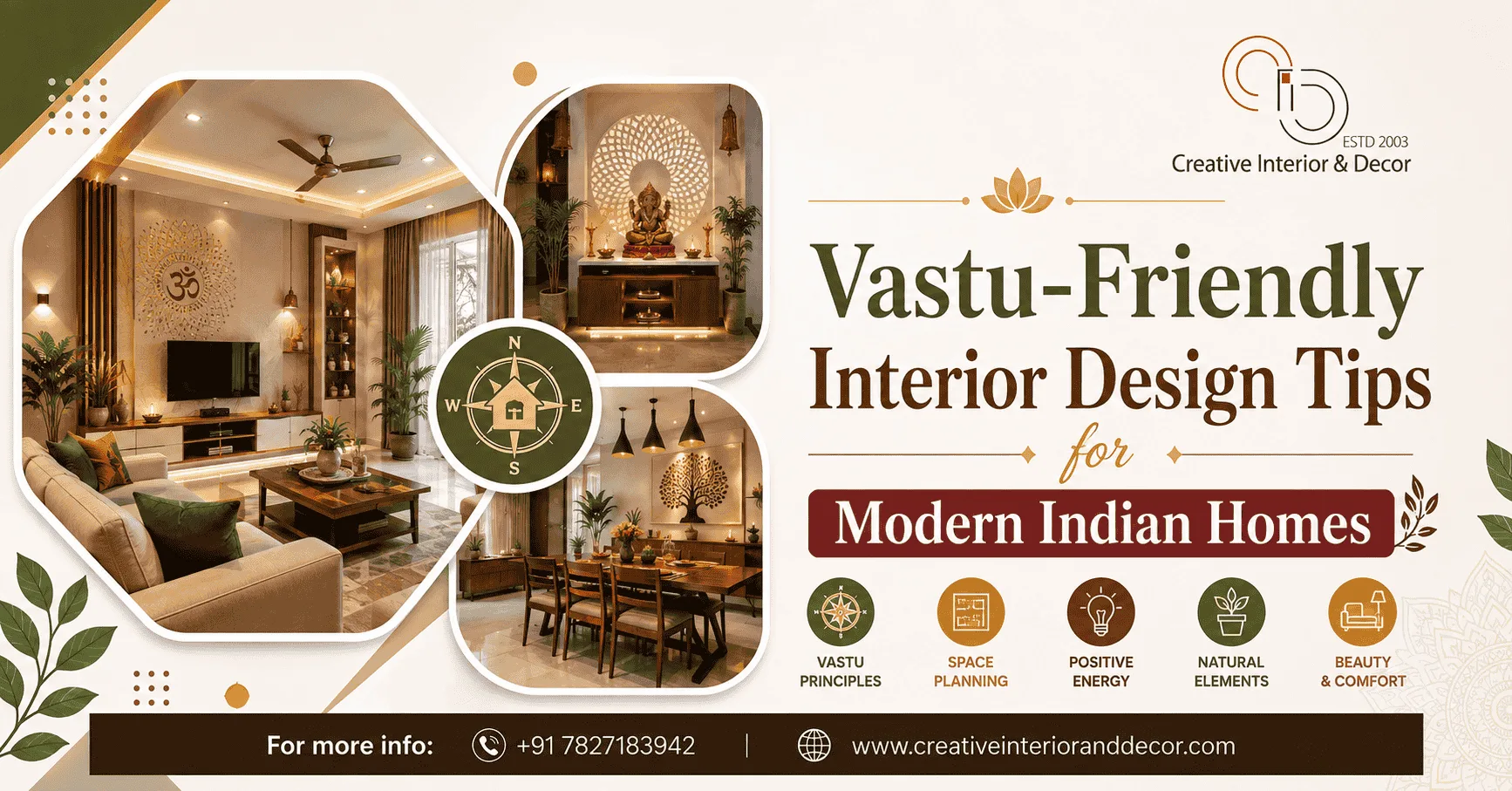
For generations, Vastu Shastra has guided how Indian homes are built, arranged, and lived in. It is an ancient system of architecture that focuses on the flow of energy, light, and space to create a sense of balance and wellbeing. While many homeowners associate Vastu with traditional or ancestral homes, its principles are just as relevant to contemporary apartments and modern interiors.
The good news is that you do not need to compromise on style to follow Vastu. With thoughtful planning, it is entirely possible to design a home that feels current, minimal, and elegant while still respecting these time tested principles. This guide walks you through practical, room by room tips to help you create a Vastu-friendly home without sacrificing modern aesthetics.
Why Vastu Still Matters in Modern Homes
Modern urban living, especially in cities like Delhi and across the NCR region, often means smaller floor plans, irregular layouts, and compact apartments. This can make strict Vastu compliance challenging. However, most Vastu principles are less about rigid rules and more about optimizing natural light, ventilation, and the placement of furniture and decor for comfort and functionality.
Many interior designers today blend Vastu guidelines with modern design sensibilities, resulting in homes that feel calm, organized, and aesthetically pleasing. The goal is balance, not perfection.
Start with the Entrance
The main entrance is considered the gateway for energy entering your home, so it deserves special attention.
- Keep the entrance well lit and clutter free
- Choose a sturdy, single-shutter main door that opens clockwise
- Avoid keeping shoes, dustbins, or broken items near the doorway
- A small threshold design or rangoli at the entrance is considered auspicious and also adds visual charm
- North or east facing entrances are traditionally preferred, but if your home faces another direction, focus on keeping the space bright and welcoming instead
Living Room Placement and Layout
The living room is where families spend most of their time together, so its arrangement matters for both energy flow and everyday comfort.
- Position heavier furniture like sofas and cabinets along the south or west walls
- Keep the northeast corner of the living room open and light to allow energy to circulate
- Use light, breathable fabrics for curtains and upholstery to enhance the flow of natural light
- Mirrors are best placed on the north or east walls, never directly facing the main entrance
- Choose furniture with rounded or soft edges over sharp corners, both for Vastu harmony and for a softer, contemporary look
Kitchen Design and Vastu
The kitchen represents fire energy in Vastu, so its placement and orientation are considered important.
- The ideal position for a kitchen is the southeast corner of the home
- The cook should ideally face east while preparing food
- Keep the stove and sink at a reasonable distance from each other, since fire and water elements are traditionally kept separate
- Store grains and essentials in the southwest section of the kitchen
- Modular kitchen designs work well here, since their clean lines and dedicated storage zones naturally support these placement principles
Bedroom Arrangement for Restful Sleep
Bedrooms are spaces for rest and rejuvenation, and Vastu offers several tips for improving sleep quality and comfort.
- The master bedroom should ideally be in the southwest part of the home
- Place the bed so the headboard rests against the south or west wall
- Avoid sleeping directly under a beam or facing a mirror
- Keep electronic devices to a minimum in the bedroom for better rest
- Soft, neutral color palettes such as beige, muted blues, and warm earth tones support a calming atmosphere while staying on trend with 2026 interior design preferences
Colour Choices That Align with Vastu
Colour plays a significant role in both Vastu and modern interior psychology, influencing mood, energy, and how spacious a room feels.
- East facing rooms suit shades of white, light blue, or green
- South facing rooms work well with warm tones like terracotta, brown, or peach
- West facing spaces pair nicely with blues and greys
- North facing rooms benefit from lighter greens and pastel shades
- Avoid excessive use of dark or black shades in bedrooms and living spaces, as these are believed to create heaviness in the room's energy
Furniture Placement and Flow
Good furniture placement is not just about Vastu, it also supports better movement and functionality within a home, which is especially valuable in compact urban flats.
- Leave the centre of each room open, since this space is considered significant for energy circulation
- Avoid overcrowding rooms with oversized furniture, particularly in smaller apartments
- Position study tables or work desks so you face east or north while working
- Keep pathways clear and avoid placing furniture that obstructs the main door swing
Lighting and Ventilation
Natural light and airflow are central to both Vastu principles and modern sustainable design.
- Maximize the use of natural light through well placed windows and sheer curtains
- Keep the northeast area of the home as open and bright as possible
- Use warm, layered lighting in living areas and cooler, focused lighting in work zones
- Ensure proper cross ventilation, especially in kitchens and bathrooms, to maintain freshness and reduce dampness
Balancing the Five Elements
Vastu is built around the five elements: earth, water, fire, air, and space. Modern interiors can reflect this balance through material choices and decor.
- Introduce indoor plants to represent the earth element and improve air quality
- Use a small indoor fountain or water feature in the northeast zone, if space allows
- Incorporate natural materials like wood, stone, and clay in furniture and decor
- Keep some areas of each room open and uncluttered to represent space
Common Vastu Mistakes to Avoid in Modern Homes
- Placing mirrors directly opposite the bed or main entrance
- Overcrowding the northeast corner with heavy furniture or storage units
- Ignoring natural light in favor of an all-dark, moody colour scheme throughout the home
- Positioning the kitchen and main bedroom adjacent to each other
- Leaving the entrance cluttered with footwear, umbrellas, or discarded items
Quick Vastu-Friendly Interior Design Checklist
- Keep the entrance bright, clean, and clutter free
- Position the kitchen in the southeast corner where possible
- Place the master bed against the south or west wall
- Leave the northeast corner of the home open and light
- Choose right colour palettes based on room direction
- Introduce natural elements like plants, wood, and water features
- Avoid sharp furniture edges and heavy dark tones in bedrooms
- Maintain clear pathways and avoid overcrowding rooms
Frequently Asked Questions
Is it possible to follow Vastu in a rented apartment?
Yes. While structural changes may not be possible, you can still apply Vastu principles through furniture placement, colour choices, decor, and lighting adjustments.
Does Vastu compliance increase property value?
Many buyers in Indian real estate markets do consider Vastu compliance a positive factor, which can influence resale value and buyer interest, particularly in cities like Delhi and across the NCR.
Can modern minimalist interiors still follow Vastu principles?
Absolutely. Minimalist design, with its emphasis on open space, natural light, and clutter free living, actually complements many core Vastu principles quite naturally.
What if my home layout does not allow for ideal Vastu placement?
Perfect alignment is not always possible in modern flats and apartments. Focus on the adjustments that are practical, such as colour, lighting, decor, and furniture arrangement, rather than structural changes.
Do I need to hire a Vastu consultant for interior design?
It depends on your preference. Many interior designers today are familiar with basic Vastu principles and can incorporate them into your design plan without requiring a separate consultant.
Conclusion
Vastu-friendly interior design is not about rigid restrictions, it is about creating a home that feels balanced, functional, and welcoming. By thoughtfully considering entrance placement, room layouts, colour palettes, and natural elements, modern Indian homeowners can enjoy the best of both worlds: contemporary style and time honored harmony. Whether you are renovating an existing space or planning a new home from scratch, small, intentional choices can make a meaningful difference in how your home looks and feels.